The Klondike Gold Rush |
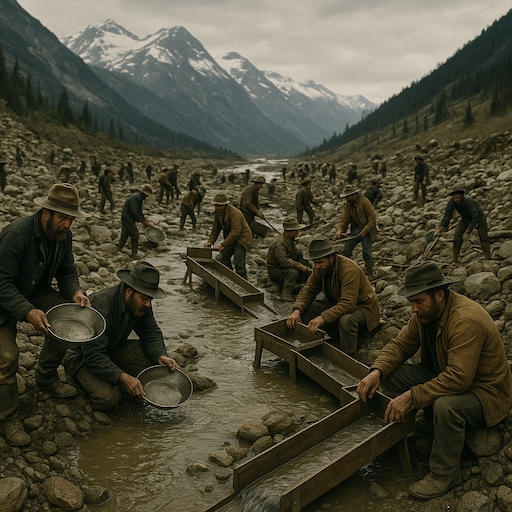
Depiction of the miners during the Klondike Gold Rush |
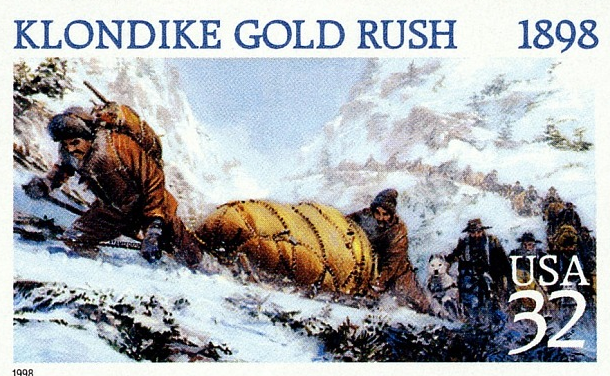
The Klondike Gold RushIn the late 1800s, a remarkable event took place in the far north that changed the lives of thousands of people—the Klondike Gold Rush. It began in 1896 when gold was discovered near the Klondike River in Canada’s Yukon Territory. News of the discovery spread quickly across North America, sparking dreams of instant riches. By 1897, about 100,000 hopeful prospectors, known as “stampeders,” set out for the Klondike, many starting their journey from Seattle and San Francisco. The Journey NorthReaching the Klondike was no easy task. Prospectors faced freezing temperatures, steep mountain passes, and long stretches of wilderness. Many traveled through Alaska, crossing the dangerous Chilkoot Pass or White Pass. To enter Canada, each person was required to carry a year’s supply of food and equipment—over 1,000 pounds in total. Only about 30,000 people actually made it to the goldfields, and even fewer struck it rich. Life in the GoldfieldsLife in the mining camps was tough. Food was expensive and supplies were scarce. Towns like Dawson City sprang up almost overnight, filled with tents, wooden shacks, and saloons. While a few lucky miners found gold, most earned little or nothing. Some stayed and built new lives in the Yukon, while others returned home, wiser but poorer. Still, the Klondike Gold Rush helped shape the region and inspired adventure stories for generations. The End of the RushBy 1899, the Klondike Gold Rush was over. New gold discoveries in Alaska drew people away from the Yukon. However, the rush left a lasting legacy—it boosted the economy of cities like Seattle and opened up the North for future exploration and settlement. Today, the Klondike remains a symbol of courage, hardship, and the eternal dream of striking it rich.
Discussion Questions
Glossary
Five Interesting Facts
Timeline
The Klondike Gold RushIn 1896, gold was found near the Klondike River in Canada’s Yukon Territory. When people heard the news, thousands rushed to the North, hoping to get rich. By 1897, about 100,000 “stampeders” began their journey, mostly from Seattle and San Francisco. The Journey NorthThe trip was very hard. Travelers faced freezing weather, tall mountains, and long stretches of wilderness. Many went through Alaska and climbed the dangerous Chilkoot Pass. Each person had to carry a year’s supply of food and tools. Only about 30,000 people reached the gold area, and very few became rich. Life and LegacyLife in the mining camps was rough. Food and supplies were expensive, and many people lived in tents or wooden huts. Dawson City grew quickly as a boomtown. By 1899, the rush was over when gold was found in Alaska. The Klondike Gold Rush changed the Yukon and helped cities like Seattle grow. It remains a famous story of adventure and hope. |