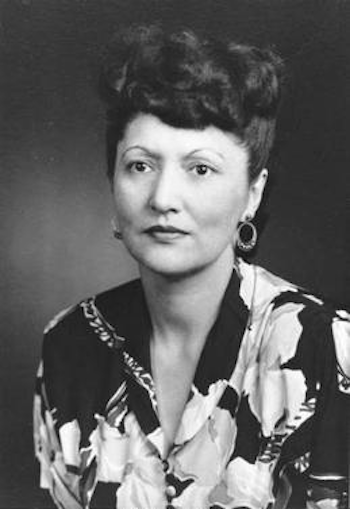
Elizabeth Peratrovich |
|
Elizabeth Peratrovich: Champion for Native RightsElizabeth Peratrovich was a Tlingit woman from Alaska who became a powerful voice for equality and civil rights. She was born on July 4, 1911, in Petersburg, Alaska, and adopted by Andrew and Mary Wanamaker, who raised her in the Tlingit community. Growing up, Elizabeth saw how Alaska Natives were often treated unfairly. Signs reading “No Natives Allowed” appeared on doors, and discrimination was common in public places. These injustices motivated her to fight for change. Fighting for FairnessIn 1941, Elizabeth and her husband Roy tried to find a home in Juneau but were denied because they were Native. This personal experience fueled their determination to take action. Together, they joined the Alaska Native Brotherhood and Sisterhood—organizations dedicated to improving life for Alaska Natives. The Peratroviches worked tirelessly to raise awareness about discrimination and to push for an anti-discrimination law in the Alaska Territorial Legislature. A Historic SpeechIn 1945, Elizabeth gave a powerful speech before the Alaska Senate during the debate over the Anti-Discrimination Act. When one senator claimed that “natives are not equal to whites,” Elizabeth courageously responded, asking, “Who do you mean by ‘we’? You do not speak for me.” Her words moved the lawmakers, and the bill passed—the first anti-discrimination law in the United States, almost 20 years before the national Civil Rights Act. Legacy of EqualityElizabeth Peratrovich continued to advocate for Native rights and equality until her death in 1958. Her courage and leadership changed Alaska’s laws and inspired future generations to stand up against injustice. Today, February 16 is celebrated as Elizabeth Peratrovich Day in Alaska, honoring her lasting impact on civil rights and human dignity.
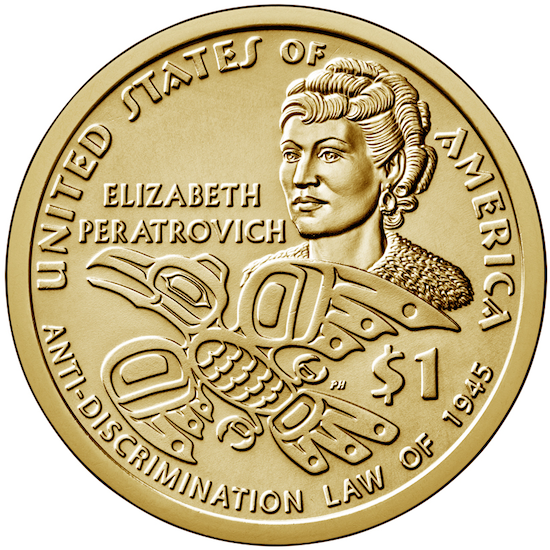
$1 coin honoring Elizabeth Peratrovich Discussion Questions
Glossary
Five Interesting Facts
Timeline
Elizabeth Peratrovich was a Tlingit woman from Alaska who fought for Native rights. She was born in 1911 in Petersburg, Alaska, and grew up seeing unfair treatment toward Alaska Natives. When she and her husband Roy were denied housing in Juneau because they were Native, Elizabeth decided to take action. Standing Up for EqualityElizabeth joined the Alaska Native Brotherhood and Sisterhood to fight against discrimination. In 1945, she gave a brave speech to lawmakers, challenging those who thought Natives were not equal to whites. Her words helped pass Alaska’s Anti-Discrimination Act, the first law of its kind in the United States. Her LegacyElizabeth continued to speak out for fairness until her death in 1958. Alaska now honors her each year on February 16 as Elizabeth Peratrovich Day. She is remembered as a hero who made Alaska—and the nation—a fairer place for all. |