Pequot Nation |
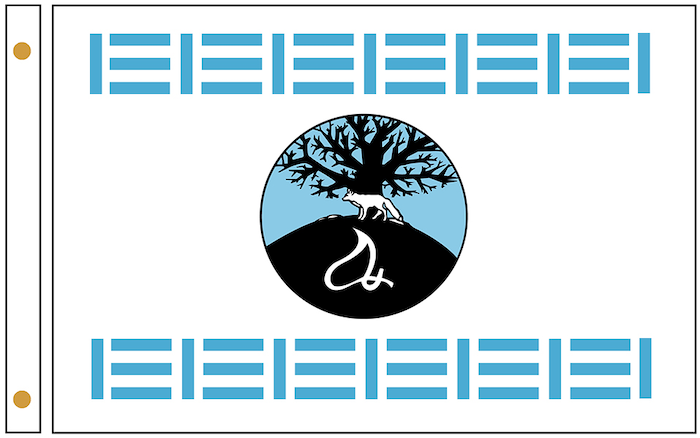
Pequot Nation Flag |
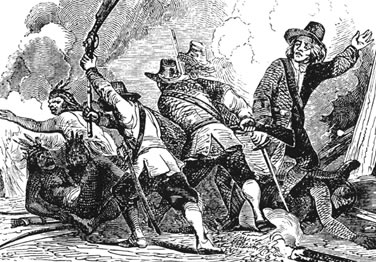
Origin of the Name and LocationThe name "Pequot" is believed to mean "the destroyers" in the Algonquin language. Historically, the Pequots inhabited areas in what is now modern-day Connecticut, primarily in the eastern and central parts of the state. DietThe Pequots were an agricultural community, cultivating staple crops such as corn, beans, squash, and tobacco. They supplemented their diet by hunting deer and small game, as well as fishing and gathering seafood from nearby rivers and the Atlantic coast. HomesPequot homes included wigwams and medium-sized longhouses. Wigwams were small, dome-shaped houses about eight to ten feet high, built from wooden frames and covered with woven mats or bark. Longhouses, more often linked with the Iroquois, could house up to 20 families and were built from long wooden poles and bark panels. CultureBefore colonization, the Pequots were a dominant and warlike tribe with a strong central authority led by a grand sachem and council. They were more aggressive in expanding and defending territory than neighboring tribes such as the Narragansett and Wampanoag. Social structure was hierarchical, with leaders overseeing diplomacy, trade, and military matters. The Pequots engaged in trade networks with neighboring tribes, exchanging goods such as wampum, furs, and food. The spiritual beliefs of the Pequots in the 1600s were deeply connected to nature and the cycles of the seasons. They believed that all living things—animals, plants, rivers, and the land itself—had spirits that required respect and balance. Seasonal ceremonies marked important times such as planting, harvest, and successful hunts, often involving dances, songs, and offerings to ensure harmony with the spirit world. Shamans, or spiritual leaders, played an important role as healers and interpreters of dreams and signs, guiding the community in both health and decision-making. Oral traditions preserved myths, creation stories, and lessons that reinforced the tribe’s values and relationship with the natural world. WarfareWarfare was a defining aspect of Pequot history, especially during the early 1600s. The Pequot War (1636–1638) marked a turning point in their fate. Prior to the war, a political split occurred when the sachem Uncas broke away to form the Mohegan tribe, which became allies of the English. The Pequots, however, resisted colonization, leading to escalating violence. This culminated in the Massacre at Mystic in 1637, when English forces and their Native allies burned the largest Pequot village, killing nearly 700 people—mostly women and children. In the aftermath, survivors were hunted, killed, or sold into slavery. The tribe was nearly annihilated.
Pequot War History Timeline
Modern DayToday, the Mashantucket Pequots have reestablished a presence in Connecticut. They operate Foxwoods Resort Casino, one of the largest casinos in the world, on their 1,800-acre reservation. Revenue from the casino has funded tribal expansion and the creation of the Mashantucket Pequot Museum and Research Center, which educates visitors about Pequot history and culture. Discussion Questions
Origin of the Name and LocationThe name "Pequot" is believed to mean "the destroyers" in the Algonquin language. The Pequots lived in what is now eastern and central Connecticut, controlling large territories before European arrival. DietThe Pequots were skilled farmers, growing corn, beans, squash, and tobacco. They hunted deer and small animals, fished in rivers and coastal waters, and gathered shellfish and other seafood. HomesThe tribe lived in wigwams and some medium-sized longhouses. Wigwams were small dome-shaped houses made from wooden frames covered with woven mats or bark. Longhouses could shelter multiple families and were built from poles and bark. CultureBefore colonization, the Pequots were a dominant and warlike tribe with a strong central authority led by a grand sachem and council. They were more aggressive in expanding and defending territory than neighboring tribes such as the Narragansett and Wampanoag. Warfare and the Pequot WarIn the early 1600s, political division arose when the sachem Uncas left to form the Mohegan tribe, which allied with the English colonists. The Pequots, weakened by an epidemic in 1633 that killed about 80% of their people, resisted English expansion. Tensions grew into the Pequot War (1636–1638). The conflict climaxed with the Massacre at Mystic in 1637, when English and Native allies burned the largest Pequot village, killing about 700 people, most of them women and children. Survivors were hunted down, killed, or sold into slavery. The war nearly destroyed the tribe. History Timeline
Modern DayThe Mashantucket Pequot Tribal Nation has regained recognition and now operates Foxwoods Resort Casino on their 1,800-acre reservation. Casino revenues fund tribal programs and the Mashantucket Pequot Museum and Research Center, which preserves and shares Pequot history. Discussion Questions
|