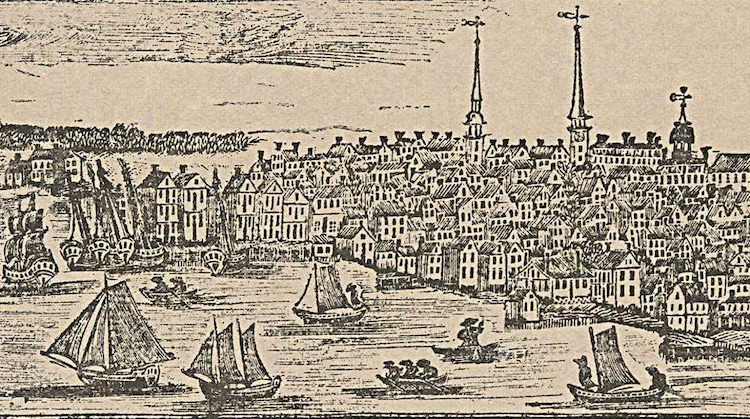
The Founding of New Haven |
Colonial New Haven |
Founding of New HavenIn 1638, about 500 Puritans left the Massachusetts Bay Colony to form a community where they could worship more freely. They settled in an area called Quinnipiac, named after the local Native American tribe. In 1640, the settlement was renamed New Haven. By 1664, New Haven became part of the Connecticut Colony, and in 1701, it was named a co-capital of Connecticut, a role it held until 1873.Yale University Comes to New HavenYale University, one of America’s most respected schools, moved from Old Saybrook to New Haven in 1716. Since then, it has been a major part of the city’s identity and has helped shape its culture and economy.Powder House Day and the RevolutionOn April 23, 1775, word of the Battles of Lexington and Concord reached Connecticut. The Governor’s Foot Guard, led by Benedict Arnold, demanded the keys to the Powder House so they could arm themselves and join the fight in Massachusetts. This event, known as Powder House Day, is still celebrated in New Haven.Eli Whitney and the Cotton GinIn 1792, Eli Whitney, a Yale graduate, invented the cotton gin in New Haven. This machine made cotton processing about 50 times faster. Unfortunately, it also increased the demand for enslaved labor in the South, which deepened the problem of slavery in America.Discussion Questions
Glossary
Five Interesting Facts
Timeline
New Haven’s BeginningsIn 1638, 500 Puritans left Massachusetts to find a better place to worship. They settled in a place called Quinnipiac, renamed New Haven in 1640. It joined the Connecticut Colony in 1664 and became a co-capital in 1701, keeping that title until 1873. Yale’s MoveYale University moved from Old Saybrook to New Haven in 1716. It became one of the top schools in the nation and an important part of the city.Powder House DayOn April 23, 1775, soldiers led by Benedict Arnold took weapons from the Powder House to join the Revolutionary War. This day is still remembered as Powder House Day.Cotton GinIn 1792, Yale graduate Eli Whitney invented the cotton gin in New Haven. It made cotton processing much faster but also increased slavery in the South. |