Connecticut History |
 |
Connecticut’s Historical BackgroundConnecticut, located in the northeastern United States, has a deep historical background dating to the early 17th century when European colonists arrived. The land was originally inhabited by the Algonquin people. The Dutch explored the region in the early 1600s, calling it “Quinnitukqut,” meaning “beside the long tidal river.” In 1633, the English established Windsor, the first permanent settlement. The Fundamental Orders of 1639 laid out details for an independent government and are often considered the first written constitution in America.
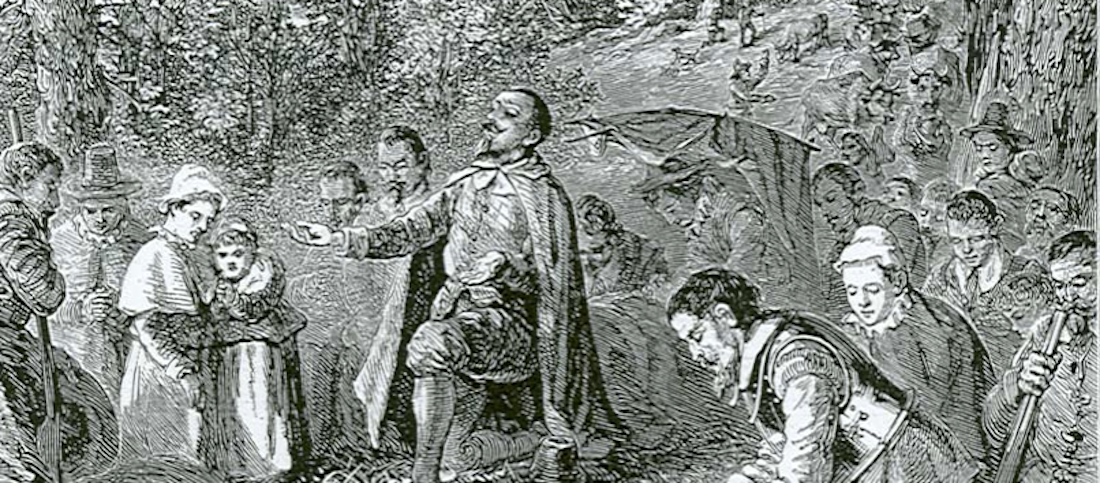
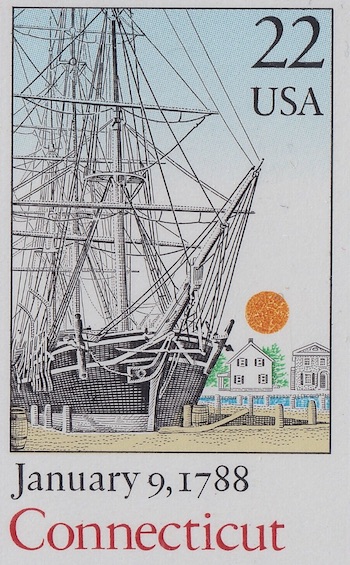
Thomas Hooker, one of the leaders of the Connecticut Colony. Colonial Development and GovernmentIn the 17th century, agriculture and trade dominated Connecticut’s economy. Its coastal location and rivers supported shipping and commerce. In 1662, King Charles II granted a royal charter, solidifying Connecticut as a self-governing colony. Yale University was founded in New Haven in 1701, contributing to the colony’s growing cultural and educational life. Role in the American RevolutionConnecticut was a vital contributor to the American Revolution, supplying troops and goods to the Continental Army. The Battle of Ridgefield was a notable conflict fought in the state. On January 9, 1788, Connecticut became the fifth state to ratify the U.S. Constitution.
Nathan Hale - a Connecticut spy executed by the British. Industrial GrowthIn the 19th century, Connecticut shifted from farming to manufacturing. Abundant water resources and transportation routes supported mills and factories. The state became well known for producing textiles and machinery, employing thousands in its industrial centers. Modern ConnecticutBy the 20th century, manufacturing declined, and the economy diversified into finance, insurance, and corporate headquarters. Major companies such as United Technologies, Aetna, and GE are part of its economic base today. Discussion Questions
Glossary
Timeline of Connecticut History
Early ConnecticutConnecticut is in the northeastern United States and has a long history beginning in the early 1600s. The Algonquin people first lived there. The Dutch arrived in the early 1600s, calling it “Quinnitukqut.” In 1633, the English founded Windsor. In 1639, the Fundamental Orders created a government structure, considered by some the first U.S. constitution. Colonial EraFarming and trade were Connecticut’s main economic activities in the 1600s. Its location and rivers made it good for shipping. In 1662, a royal charter made it a self-governing colony. Yale University opened in 1701. Revolutionary RoleConnecticut gave troops and supplies during the Revolution, including at the Battle of Ridgefield. In 1788, it became the fifth state to join the U.S. Industry and Modern LifeIn the 1800s, Connecticut moved from farming to manufacturing, especially textiles and machinery. In the 1900s, manufacturing dropped and finance, insurance, and large companies became important. Today, it has a mixed economy with major corporations. |