Shawnee Nation |
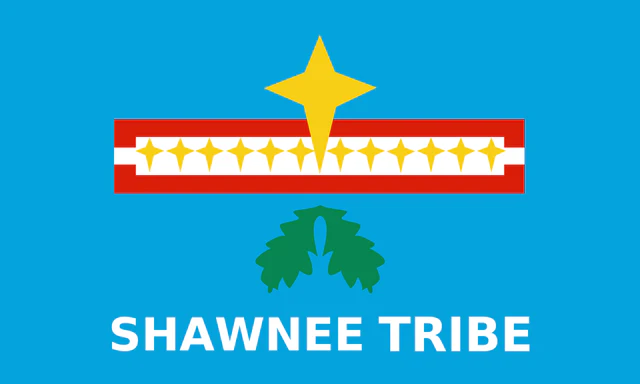
Shawnee Nation Flag |
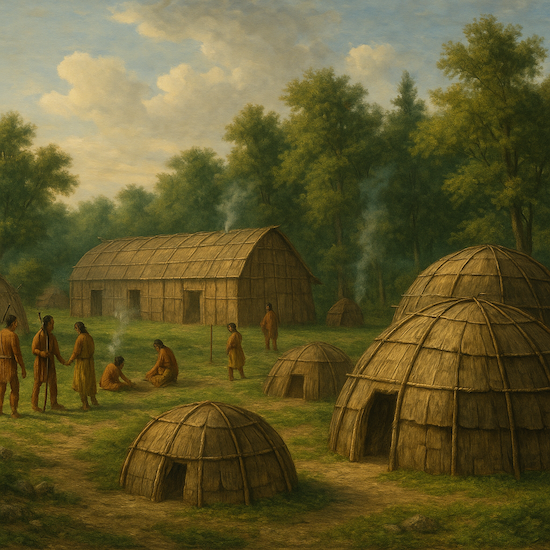
Origin of the NameThe name "Shawnee" comes from the Algonquian word *shaawanwa*, meaning "southerner." Other tribes referred to the Shawnee this way because of their historical location in the southern Great Lakes region. The Shawnee referred to themselves as *Shaawanoki* or *Shawano*, often translated as “the people of the south.”RangeOriginally, the Shawnee lived in areas around the Ohio Valley, including modern-day Ohio, Kentucky, West Virginia, and western Pennsylvania. Due to displacement and conflict, they later migrated into parts of Indiana, Illinois, Missouri, and even as far south as Georgia and Alabama. In the 19th century, many Shawnee were forced westward to present-day Oklahoma.DietThe Shawnee had a mixed diet of agriculture, hunting, and gathering. They grew the "Three Sisters"—corn, beans, and squash—as staple crops. They also hunted deer, elk, turkey, and small game, and gathered nuts, berries, and roots from the forests. Fishing provided additional food, especially in riverine areas.Home TypeThe Shawnee lived in wigwams, dome-shaped houses made of a wooden frame covered with bark or woven mats. Villages were typically located near rivers or streams and surrounded by palisades for protection. Some groups also used longhouses, especially in more permanent settlements.
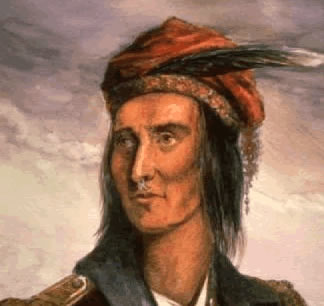
Shawnee Village CultureThe Shawnee had a rich oral tradition with stories explaining the origins of the world and teaching moral lessons. One well-known figure in Shawnee mythology is *M'shoone*, a cultural hero who brought tools and fire to the people. The tribe was organized into five major divisions, each with its own role, such as war, peace, or ritual leadership. They held seasonal festivals and green corn ceremonies, where dancing, singing, and games played a vital role. The Shawnee are also famous for producing great leaders, including Tecumseh, who tried to unite Native American tribes in a confederation to resist European-American expansion. Their cultural resilience remains strong today in federally recognized tribes such as the Eastern Shawnee Tribe and the Shawnee Tribe of Oklahoma. Green Corn CeremonyThe Shawnee Green Corn Ceremony was a major annual festival that celebrated the ripening of the corn crop and marked a time of renewal, purification, and thanksgiving. Held in late summer, this sacred event included ritual dances, singing, feasting, and the lighting of new fires to symbolize spiritual cleansing. Before the ceremony, people fasted and refrained from eating the new corn until it was ritually blessed. Elders led prayers and offerings to the spirits in gratitude for the harvest and to ensure future abundance. It was also a time to resolve conflicts, renew community bonds, and honor the Shawnee’s deep connection to the Earth. WarfareThe Shawnee were highly skilled warriors and played a central role in many regional conflicts. During the 18th century, they resisted British and later American expansion. They fought in the French and Indian War, the American Revolutionary War (mostly siding with the British), and various frontier conflicts like Lord Dunmore’s War and the Northwest Indian War. Tecumseh and his brother, the Prophet, led a resistance movement during the early 1800s, culminating in the Battle of Tippecanoe and later the War of 1812, where Tecumseh was killed. Despite military defeats, the Shawnee maintained their identity and continued to adapt through forced removals and cultural change.
Tecumseh Discussion Questions
Glossary
Origin of the NameThe name "Shawnee" comes from a word meaning "southerner." Other tribes called them this because they lived south of many other Algonquian-speaking peoples.RangeThe Shawnee lived in the Ohio Valley area, including parts of Ohio, Kentucky, and West Virginia. Over time, they moved to other places like Indiana, Missouri, and eventually Oklahoma.DietThey ate food they farmed, hunted, and gathered. They grew corn, beans, and squash, and also hunted animals like deer and turkey. They gathered berries and nuts and fished in rivers.Home TypeShawnee homes were called wigwams. These were dome-shaped houses made from wood and covered with bark or mats. Villages were often near rivers and sometimes had walls for protection.CultureThe Shawnee told stories to pass down their history and beliefs. They held ceremonies, especially the Green Corn Ceremony, which celebrated the harvest. They were known for strong leaders like Tecumseh, who tried to bring tribes together to protect their lands.WarfareThe Shawnee were skilled fighters. They were involved in many battles against European settlers and later the U.S. government. Tecumseh led a major effort to unite tribes, but after his death, the resistance weakened. Still, the Shawnee survived and kept their culture alive. |