Indiana History |
|
|
|
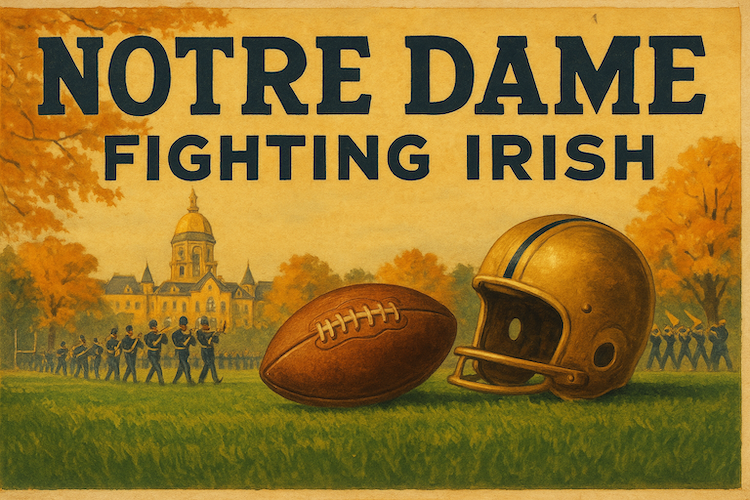
Early Inhabitants and StatehoodIndiana, located in the mid-west region of the United States, has a rich and diverse history that dates back to the arrival of Native American tribes thousands of years ago. In the late 1700s, European settlers began to arrive in the area, and by 1816, Indiana was granted statehood as the 19th state in the United States. Crossroads of the FrontierThe state's early history was shaped by its position as a crossroads for westward expansion and the growth of the American frontier. Indiana played a significant role in the Underground Railroad, a network of secret routes and safe houses used by escaped slaves to reach freedom in the North or Canada. The state was also a major producer of grain and livestock, and played a key role in the development of the country's transportation network, with the construction of the National Road, the Wabash and Erie Canal, and later the railroad system. In 1842, the University of Notre Dame was founded in South Bend. It would eventually become one of the nation's iconic college football programs.
The Civil War and AftermathDuring the Civil War, Indiana was a strong supporter of the Union cause, and over 100,000 Indiana men served in the Union army. After the war, the state continued to grow and prosper, with the rise of heavy industry, particularly in the cities of Gary and South Bend. In the late 19th and early 20th centuries, Indiana also became known for its strong progressive movement, including efforts to improve working conditions and promote social justice. 20th Century and Modern DevelopmentsIn the 20th century, Indiana experienced significant changes, including the growth of the automobile industry and the expansion of the suburban population. In recent decades, Indiana has emerged as a major center for advanced manufacturing, biotechnology, and other cutting-edge industries. Discussion Questions
Glossary
Early Inhabitants and StatehoodIndiana's history begins with Native American tribes who lived in the region for thousands of years. European settlers began arriving in the late 1700s, and by 1816, Indiana became the 19th state in the United States. Indiana as a Crossroads of AmericaDue to its location, Indiana became a key route for westward expansion. It was also an important part of the Underground Railroad, helping escaped slaves find freedom. The state's economy grew through agriculture and transportation, including the National Road, the Wabash and Erie Canal, and the railroad. Education and GrowthThe University of Notre Dame was established in 1842 in South Bend, later becoming famous for its football program. Indiana continued to grow and industrialize through the 19th century. The Civil War and IndustrializationIndiana supported the Union during the Civil War, with over 100,000 men serving in the Union army. After the war, cities like Gary and South Bend became industrial powerhouses. Indiana also became known for progressive reforms aimed at improving society. Modern IndianaDuring the 20th century, Indiana saw the rise of the automobile industry and suburban life. Today, the state is known for advanced manufacturing, biotechnology, and innovation. |