Grant Wood |
||
|
||
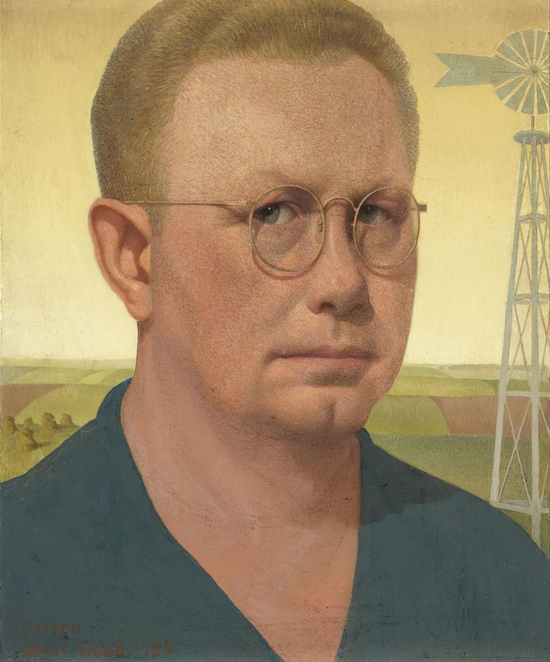
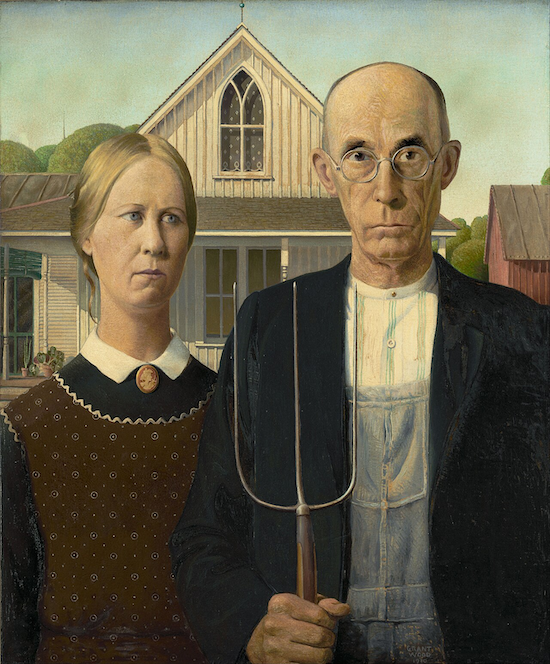
Early LifeGrant Wood was born on February 13, 1891, in Anamosa, Iowa. He grew up on a farm and developed a deep appreciation for the rural life of the American Midwest. When his father died in 1901, the family moved to the nearby town of Cedar Rapids. Wood loved to draw and paint from a young age, and he went on to study art in Minnesota, Chicago, and even in Europe.Art CareerGrant Wood worked as a teacher and designer, but his big break came in 1930 with the painting *American Gothic*. This famous artwork shows a serious-looking farmer holding a pitchfork next to a woman in front of a small house with a pointed window. Many people thought the painting represented the hardworking, traditional values of small-town America. It quickly became one of the most well-known paintings in the country.
American Gothic (1930) Regionalism and StyleWood was a leading artist in a style called Regionalism. This style focused on realistic scenes from rural life in America, especially the Midwest. Instead of painting big cities or abstract art like many others at the time, Wood painted rolling farmlands, simple people, and scenes filled with detail. He believed artists should focus on their own surroundings and communities.Later Years and LegacyGrant Wood continued to paint and teach during the 1930s. He helped start an art program at the University of Iowa and supported other artists in the region. Sadly, he died young from cancer in 1942, at the age of 50. Even though his life was short, his impact was strong. *American Gothic* is still one of the most recognized images in American art. Wood’s work helped show the beauty and importance of rural American life.Discussion Questions
Glossary
Early LifeGrant Wood was born in 1891 in Anamosa, Iowa. He grew up on a farm and loved the quiet life of the countryside. When his father passed away, his family moved to Cedar Rapids. Grant enjoyed drawing and painting as a child and studied art in different places, including Chicago and Europe.Famous PaintingIn 1930, Grant Wood painted *American Gothic*, a picture of a farmer holding a pitchfork next to a woman in front of a small house. The painting became very popular and is still one of the most famous in American history.Style and RegionalismGrant Wood used a style called Regionalism. This means he painted everyday life in small towns and farms instead of cities or abstract art. He believed artists should paint the world around them, especially the land and people they know best.Later YearsWood taught art at the University of Iowa and helped young artists. He continued painting scenes of farm life and small-town America. Sadly, he died of cancer in 1942 when he was only 50 years old.LegacyGrant Wood is remembered for showing the beauty and strength of rural America. His painting *American Gothic* is a symbol of hard work and tradition. Today, people still admire his art and his love for the Midwest. |