Iowa History |
||
|
||
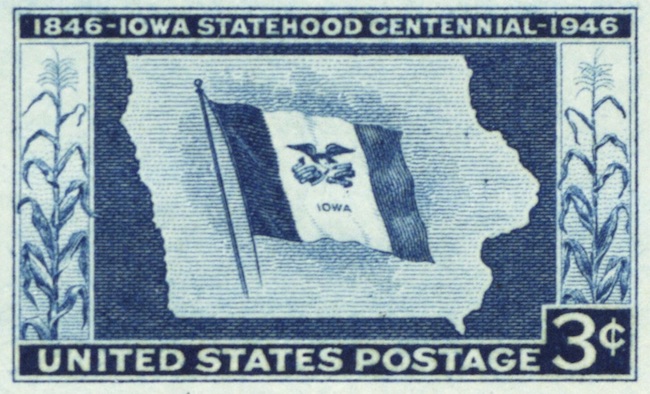
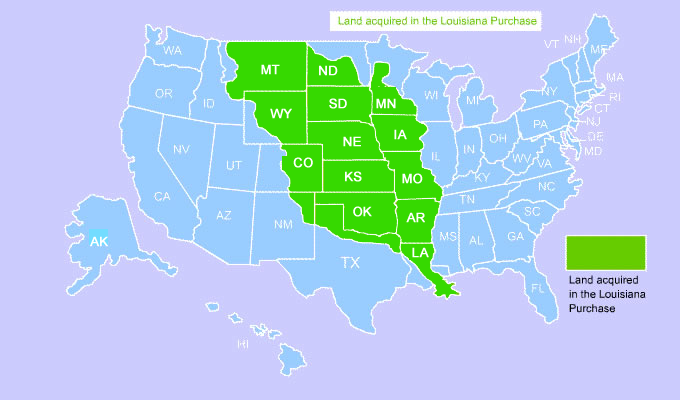
Early Inhabitants of IowaThe first recorded people to live in Iowa were Native American tribes such as the Sioux, Fox, and Winnebago. These communities thrived by hunting and fishing in the region’s rich forests and rivers. Iowa Becomes Part of the United StatesIowa joined the United States through the Louisiana Purchase in 1803. By the 1830s, settlers from the east began moving into the region. On December 29, 1846, Iowa officially became the 29th state in the Union.
Westward Expansion and Agricultural GrowthIowa played an important role in the nation’s westward expansion. The state’s fertile soil made it ideal for farming, and many new residents began raising crops and livestock. The arrival of railroads in the mid-1800s helped farmers sell their products in places like Chicago, boosting the state’s economy. This also led to the growth of Iowa’s coal industry. The Civil War and Continued DevelopmentDuring the Civil War, Iowa supported the Union and sent thousands of soldiers to fight. After the war, Iowa became a major food producer thanks to industrialized agriculture. Over time, small farms were replaced by larger, commercial operations. Iowa’s Modern EconomyWhile farming remains important, Iowa's economy now also includes manufacturing and finance. The state continues to evolve while maintaining its agricultural roots. Discussion Questions
Glossary
Early Tribes in IowaNative American tribes like the Sioux, Fox, and Winnebago were the first to live in Iowa. They hunted and fished in the forests and rivers to survive. Iowa Joins the United StatesAfter the Louisiana Purchase in 1803, settlers began moving to Iowa in the 1830s. Iowa became the 29th state on December 29, 1846. Farming and RailroadsFarming quickly became important in Iowa. The land was great for growing crops and raising animals. Railroads helped farmers send their goods to big cities like Chicago. Coal mining also grew during this time. Role in the Civil WarDuring the Civil War, Iowa supported the Union. Thousands of Iowans joined the army to fight for the North. Modern ChangesAfter the war, farms became larger and used machines. Today, Iowa still does a lot of farming, but it also has factories and businesses in finance. |