Montana History |
|
|
|
Montana’s Early InhabitantsThe land now known as Montana was first home to many Native American tribes, including the Blackfeet, Cheyenne, and Crow. These nations lived off the land and established deep cultural ties to the region’s wilderness and natural resources. Exploration and Early SettlementAfter the Louisiana Purchase in 1803, Montana became part of U.S. territory. Traders, trappers, and explorers soon entered the region, drawn by its abundant wildlife and plentiful resources. Their arrival marked the beginning of significant change for the area’s native peoples and landscapes.
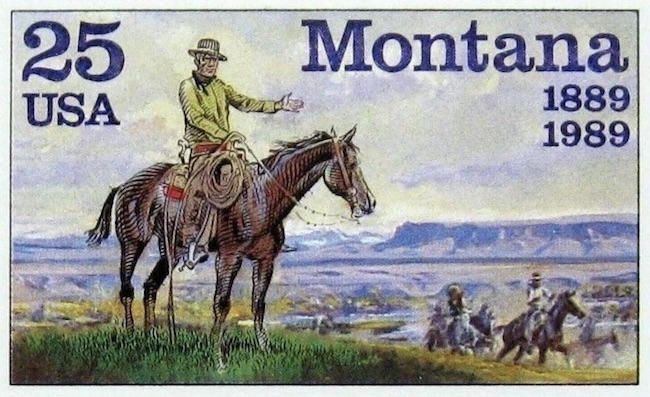
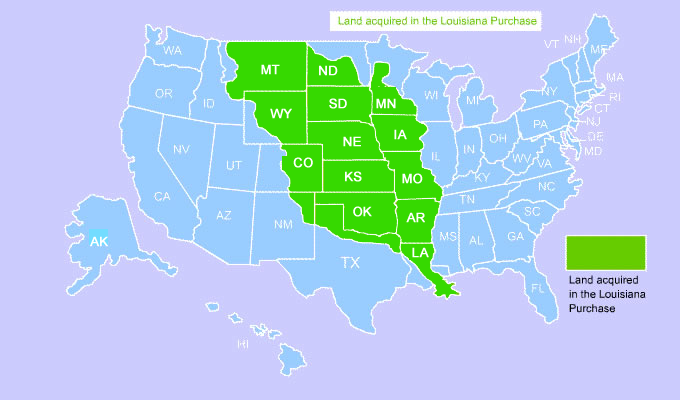
The Louisiana Purchase included much of modern-day Montana. The Gold Rush EraBy the mid-1800s, the search for gold transformed Montana. Prospectors established towns like Virginia City, Bannack, and Butte, which grew into thriving mining centers. These settlements attracted waves of newcomers seeking fortune in the western frontier. Statehood and the Copper BoomMontana became a state in 1889. Beyond gold, the discovery of silver and copper created new opportunities for mining and fueled rapid development. The state’s history was also shaped by the 1876 Battle of the Little Bighorn, where Native American warriors defeated U.S. troops under General George Custer. 20th Century MontanaMining, farming, and ranching drove Montana’s economy in the early 20th century. During World War II, the state’s resources and location made it vital to the defense industry. Communities supported the national war effort while continuing to grow their agricultural output. Modern MontanaToday, Montana is recognized for its outdoor recreation, from hiking and skiing to hunting and fishing. Cultural and historical sites such as Yellowstone National Park, the Lewis and Clark Caverns, and the Little Bighorn Battlefield National Monument highlight its enduring legacy. Discussion Questions
Glossary
Montana Timeline
Montana’s Land and Native TribesMontana, located in the western U.S., is known for its wilderness, beauty, and history. Native tribes like the Blackfeet, Cheyenne, and Crow lived there for centuries before the U.S. acquired the land in the 1803 Louisiana Purchase. Soon after, trappers and explorers entered the region for its valuable resources. Gold and StatehoodGold discoveries in the mid-1800s brought prospectors and created mining towns like Bannack, Virginia City, and Butte. Montana became a state in 1889, and silver and copper mining fueled its growth. The 1876 Battle of the Little Bighorn, where Native Americans defeated General Custer, remains a defining event in its past. 20th Century and BeyondIn the 20th century, Montana thrived on mining, farming, and ranching. During World War II, it supplied key resources for the defense effort. Today, Montana is famous for outdoor recreation and important sites like Yellowstone, Lewis and Clark Caverns, and the Little Bighorn Battlefield. |