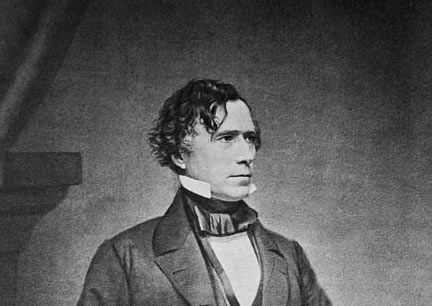
Franklin Pierce |
||
|
||
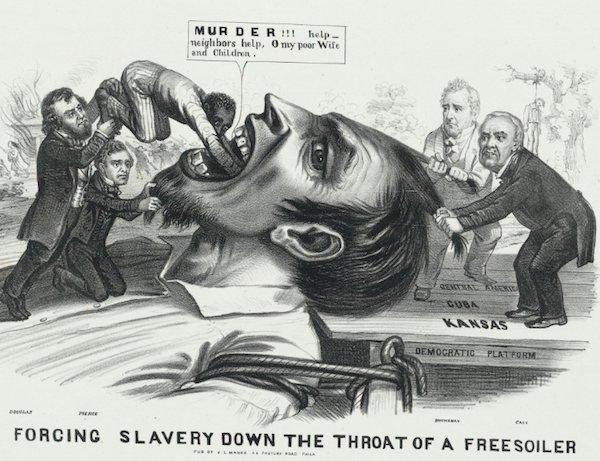
Early Life and CareerFranklin Pierce, the 14th President of the United States, was born on November 23, 1804, in Hillsborough, New Hampshire. He was more than a politician—he was also a lawyer and brigadier general during the Mexican-American War. Politics at a Young AgeFollowing his father’s example, Pierce entered politics early. At just 24, he was elected to the New Hampshire legislature. By age 26, he became Speaker of the House in New Hampshire. Soon after, he was elected as a U.S. Representative and later a U.S. Senator. A Tragic Start to the PresidencyIn 1853, Franklin Pierce became the 14th President. Just two months before his inauguration, tragedy struck when his eleven-year-old son, Benny, was killed in a train accident. Pierce entered office deeply grieving his loss. Presidency and ChallengesPierce supported westward expansion and popular sovereignty in Kansas, allowing citizens to decide on slavery. This position angered abolitionists, who called him a "doughface"—a northerner who sympathized with the South. He also oversaw the Gadsden Purchase, adding land in present-day Arizona and New Mexico. However, his presidency is often remembered as one of the least effective, as he failed to reduce tensions leading to the Civil War. Pierce later criticized Abraham Lincoln, further losing northern support.
Later Life and DeathPierce battled alcoholism for much of his life. He died at age 64 in 1869 from cirrhosis of the liver. Why is Pierce Considered one of the Worst Presidents?Franklin Pierce is widely considered one of the worst U.S. presidents because his decisions deepened sectional conflict instead of easing it. He signed the Kansas–Nebraska Act (1854), effectively repealing the Missouri Compromise and allowing slavery to expand by “popular sovereignty,” helped enforce the Fugitive Slave Act, and sided with pro‑slavery interests during “Bleeding Kansas” (even replacing a territorial governor who challenged fraudulent elections). His administration also stumbled with the Ostend Manifesto, which suggested seizing Cuba if Spain refused to sell, alarming many in the North. Rather than calming the crisis, Pierce’s leadership emboldened extremism, fractured his party, and pushed the nation closer to civil war—overshadowing limited achievements like the Gadsden Purchase. Most Famous Quote"You have summoned me in my weakness. You must sustain me by your strength." – Franklin Pierce, Inaugural Address, 1853 Timeline of Franklin Pierce’s Life
Interesting Facts
Glossary
Discussion Questions
Early Life and CareerFranklin Pierce, born in 1804 in New Hampshire, became the 14th President of the United States. Before his presidency, he worked as a lawyer, served in the New Hampshire legislature, and later represented his state in both the House and the Senate. He also gained military experience as a brigadier general in the Mexican-American War. Becoming PresidentPierce was elected president in 1852 at the age of 48, the youngest at that time. Just before his inauguration, tragedy struck when his eleven-year-old son died in a train accident. This loss deeply affected both Pierce and his wife as he began his presidency in mourning. PresidencyAs president, Pierce supported westward expansion and approved the Gadsden Purchase, adding land in present-day Arizona and New Mexico. He also backed popular sovereignty in Kansas, allowing settlers to decide on slavery. This angered abolitionists and led to violent conflict in "Bleeding Kansas." His inability to reduce tensions between North and South caused many to view his presidency as a failure. Later Years and DeathAfter leaving office, Pierce criticized Abraham Lincoln during the Civil War, which made him unpopular in the North. He struggled with alcoholism for much of his life and died in 1869 at the age of 64 from cirrhosis of the liver. |