Abenaki Nation |
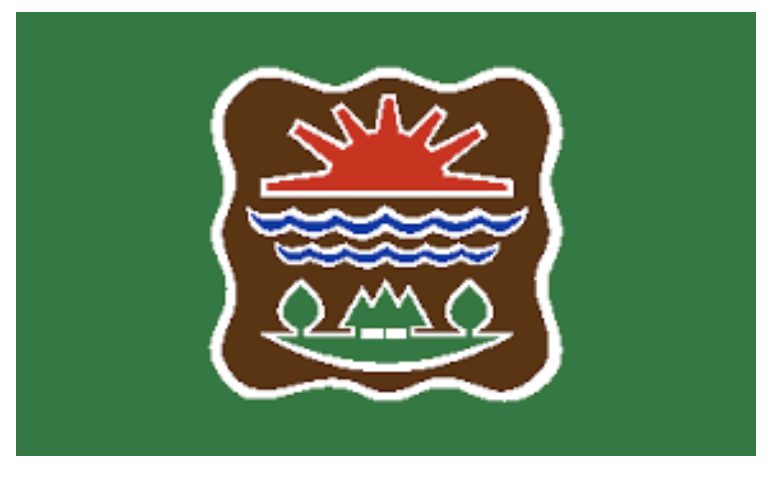
Abenaki Nation Flag |
Origin of the NameThe name Abenaki (also spelled Abnaki or Wabanaki) comes from an Algonquian word meaning “people of the dawn” or “easterners.” It reflects their position as some of the first people to greet the sunrise in North America, living in the northeastern part of what is now the United States and Canada. They are part of the larger Wabanaki Confederacy, which also included the Mi’kmaq, Maliseet, and Penobscot.
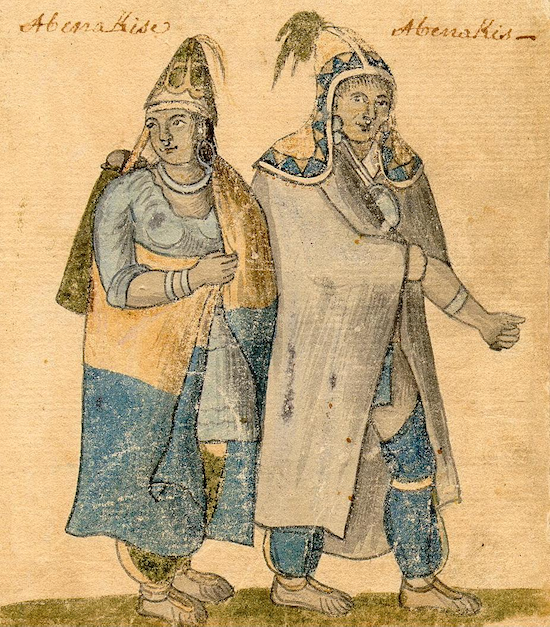
Abenaki Couple - 18th century (artists unknown) RangeThe Abenaki traditionally lived in northern New England—especially New Hampshire, Vermont, Maine—as well as parts of southern Quebec and the Canadian Maritimes. Their territory included forests, rivers, and coastal areas, which gave them access to a wide variety of natural resources. DietThe Abenaki had a mixed diet of hunting, fishing, gathering, and farming. They grew the “Three Sisters” crops of corn, beans, and squash, hunted deer, moose, and bear, and fished in rivers for salmon and trout. Wild berries, nuts, and maple sap were also important food sources. Maple syrup was a special product of their culture, often used in cooking. Home TypeThe Abenaki lived in bark-covered wigwams (small dome-shaped homes) and larger longhouses for extended families. Their homes were built from wooden frames covered with birch bark or hides, making them warm and suitable for harsh winters. Villages were usually set near rivers for water and transportation. CultureThe Abenaki culture was rich in oral traditions, myths, and spiritual practices. They told stories of Gluskabe, a cultural hero and trickster who shaped the world and taught the people how to survive. They practiced seasonal ceremonies tied to planting, harvesting, and hunting. Basket weaving, beadwork, and birchbark crafts were important cultural arts. The Abenaki were also known for their strong sense of community and cooperation, sharing resources for survival in harsh environments. WarfareThe Abenaki often allied with other tribes of the Wabanaki Confederacy. They resisted European encroachment, especially from English colonists, and frequently allied with the French in conflicts such as King Philip’s War (1675–1678) and the French and Indian War (1754–1763). Warfare for the Abenaki was tied not only to defense of territory but also to maintaining balance and honor within their community. History Timeline
Discussion Questions
Origin of the NameAbenaki (also Abnaki/Wabanaki) means “people of the dawn,” noting their eastern homeland. They are part of the Wabanaki Confederacy with the Mi’kmaq, Maliseet, and Penobscot. RangeTraditional lands were in northern New England—New Hampshire, Vermont, and Maine—plus southern Quebec. Forests, rivers, and some coastlines shaped daily life. DietAbenaki people farmed the “Three Sisters” (corn, beans, squash), hunted deer and moose, and fished rivers. They gathered berries and nuts, and tapped maple trees for syrup. Home TypeFamilies lived in birch-bark wigwams; larger groups sometimes used longhouses. Villages were often set along rivers for water, travel, and trade. CultureStories of Gluskabe taught lessons about living well and respecting nature. Seasonal ceremonies marked planting, harvests, and hunts. Basketry, beadwork, and birchbark crafts were key traditions, and communities shared resources to endure harsh winters. WarfareThe Abenaki allied with other Wabanaki nations and often with the French. They fought to defend their homelands during colonial conflicts with English settlers. History Timeline
Discussion Questions
|