New Hampshire History |
|
|
|
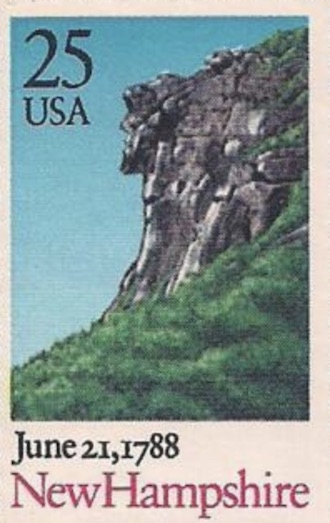
New Hampshire’s Early SettlementNew Hampshire is located in the northeastern United States and has a deep history that traces back to the early 1600s. In 1623, Captain John Mason, an Englishman, received a charter for the land from the Council for New England. He named it after Hampshire County in England, and in 1629, established the first permanent settlement at Portsmouth. The colony’s coastal location made it valuable for fishing and shipbuilding, industries that remained central for centuries. Revolutionary EraBy the mid-1700s, New Hampshire became a key player in the American Revolution. Portsmouth served as a hub of revolutionary activity, and many residents supported the war effort. In 1788, New Hampshire became the ninth state to ratify the U.S. Constitution, making it the first to do so after its adoption, a milestone in American history. Industrial Growth in the 19th CenturyAs the 19th century unfolded, New Hampshire shifted from fishing and shipbuilding toward manufacturing. Its rivers provided power for mills, leading to booming textile and factory industries. Immigrants from Ireland, France, and Canada fueled this workforce, helping transform the state’s economy. Modern Era and EconomyIn the 20th century, tourism and recreation became increasingly important, with forests and mountains drawing visitors. At the same time, technology and manufacturing continued to expand. Today, New Hampshire hosts major companies such as BAE Systems and Dell Technologies, while still embracing its historic traditions. Discussion Questions
Glossary
Timeline of New Hampshire History
Early SettlementNew Hampshire, in the northeastern U.S., was first settled in 1623 by Captain John Mason, who named it after Hampshire in England. Portsmouth became the first permanent settlement, thriving on fishing and shipbuilding because of its coastal location. Revolutionary RoleIn the 1700s, New Hampshire played an active part in the American Revolution, with Portsmouth as a center of activity. In 1788, it became the ninth state to ratify the Constitution, and the first to do so after it was adopted nationally. 19th Century IndustryDuring the 1800s, the economy shifted toward manufacturing, powered by rivers and mills. Immigrants from Ireland, France, and Canada worked in factories, shaping the state’s economy and culture. Modern New HampshireBy the 1900s, tourism grew as people visited forests and mountains. Manufacturing and technology also expanded. Today, New Hampshire blends its history with modern industries and a strong tourist economy. |