New Mexico History |
|
|
|
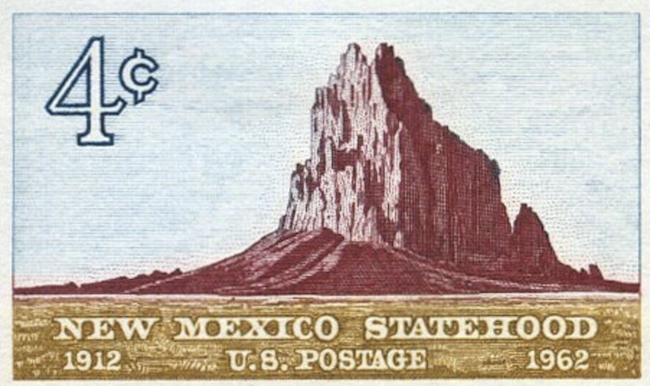
New Mexico: A Complex HistoryThe state of New Mexico, located in the southwestern United States, has a deep and complex history that stretches back thousands of years. Long before European contact, indigenous peoples such as the Puebloans developed advanced societies, agriculture, and architecture. Later, Spanish explorers claimed the land, introducing new traditions and systems. Over the centuries, New Mexico became shaped by the blending of indigenous, Spanish, Mexican, and American influences, giving the state its unique identity. Indigenous People and Spanish ExplorationIndigenous peoples migrated to New Mexico more than 12,000 years ago. Among them, the Puebloans left the strongest cultural mark. They built impressive dwellings, practiced skilled farming, and developed complex religious and social systems. Their presence is still visible in ruins and living Pueblo communities across the state. Spanish explorers arrived in 1540, led by Francisco Vásquez de Coronado, who sought the fabled Seven Cities of Gold. In 1598, Juan de Oñate established the first permanent Spanish settlement, San Juan de los Caballeros, bringing new tools, animals, and traditions to the region. Colonial New MexicoDuring the colonial period, New Mexico became a place of both conflict and cooperation between the Spanish and the Puebloan peoples. Santa Fe was founded as the capital, and Spanish authorities built missions and trading systems. Resistance to colonial control was strong, culminating in the Pueblo Revolt of 1680, which forced the Spanish out for over a decade. When they regained control in 1692, they adopted policies aimed at easing tensions, though conflicts continued. Mexican and American RuleAfter Mexico gained independence from Spain in 1821, New Mexico became a Mexican territory. While the new government encouraged trade and growth, tensions grew with incoming American settlers and traders. Following the Mexican-American War, New Mexico was ceded to the United States in 1848. The Santa Fe Trail brought more settlers and commerce, but also new struggles over land and culture. New Mexico remained a U.S. territory until it was granted statehood in 1912.
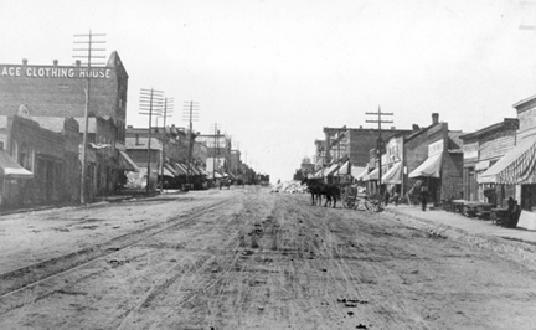
Old Santa Fe in the late 1800s. Modern New MexicoToday, New Mexico is a diverse state where many cultural traditions thrive. Its economy blends agriculture, tourism, and technology. The state is celebrated for its unique art, architecture, and heritage, reflecting its indigenous and multicultural roots. Though challenges such as drought and poverty persist, New Mexico continues to demonstrate resilience and innovation. Discussion Questions
Glossary
Timeline of New Mexico History
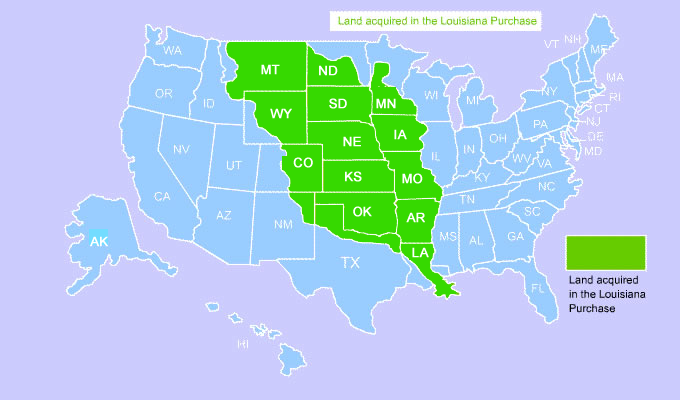
Part of New Mexico was acquired in the Louisiana Purchase New Mexico’s Long HistoryNew Mexico, in the American Southwest, has a long and complex past shaped by many cultures. Indigenous peoples lived there for thousands of years, including the Puebloans, who built remarkable dwellings and farmed with skill. Later, Spanish explorers arrived, followed by Mexican rule and eventually the United States. These influences blended together to form New Mexico’s unique identity. Indigenous People and Spanish ExplorationIndigenous groups first came to New Mexico more than 12,000 years ago. The Puebloans left the deepest mark, building stone homes and developing farming and religion that still influence the state. In 1540, Francisco Vásquez de Coronado led an expedition searching for gold, but instead met Puebloan communities. In 1598, Juan de Oñate created the first permanent Spanish settlement, bringing horses, iron tools, and European traditions to the region. Colonial New MexicoDuring Spanish rule, Santa Fe became the capital and missions and trading systems were built. However, Puebloan peoples resisted control, leading to the Pueblo Revolt of 1680, which forced the Spanish out for more than ten years. When they returned in 1692, they made changes to reduce conflict, but tensions continued to shape the region. Mexican and American PeriodsIn 1821, Mexico gained independence, and New Mexico became part of the new nation. Mexican officials encouraged trade and local growth, but tensions rose as more American settlers arrived. After the Mexican-American War ended in 1848, New Mexico became U.S. territory. The Santa Fe Trail brought more settlers and business, but also new struggles. Finally, in 1912, New Mexico became the 47th state. Modern New MexicoToday, New Mexico is a culturally diverse state known for its art, architecture, and traditions. Its economy includes tourism, farming, and technology. Though challenges like poverty and drought remain, New Mexico continues to adapt and celebrate its multicultural history. |