Oregon History |
 |
Oregon: A Diverse and Storied PastOregon, located in the Pacific Northwest region of the United States, has a vibrant and varied history that spans thousands of years. From the earliest indigenous peoples to the arrival of European explorers and settlers, the state has been shaped by diverse cultural and economic influences. Oregon is known for its stunning natural landscapes, diverse communities, and unique cultural heritage, all of which reflect the complex story of this remarkable state. Indigenous PeoplesOregon's earliest inhabitants were a variety of indigenous groups, including the Chinook, Klamath, and Shoshone peoples. These groups developed advanced hunting, fishing, and agricultural techniques and had a deep connection to the land. The Chinook, in particular, were known for their maritime culture, where fishing and trading played major roles in their economy. The heritage of these indigenous peoples remains visible in Oregon today through artifacts, ruins, and ongoing cultural traditions. Exploration and SettlementThe arrival of European explorers in the 18th and 19th centuries greatly impacted Oregon's history. Spanish explorer Juan Perez reached the coast in 1774, but American explorers Lewis and Clark in 1805 truly opened the region to exploration and settlement. By the mid-1800s, fur traders, missionaries, and settlers began migrating west, drawn by Oregon’s opportunities and resources.
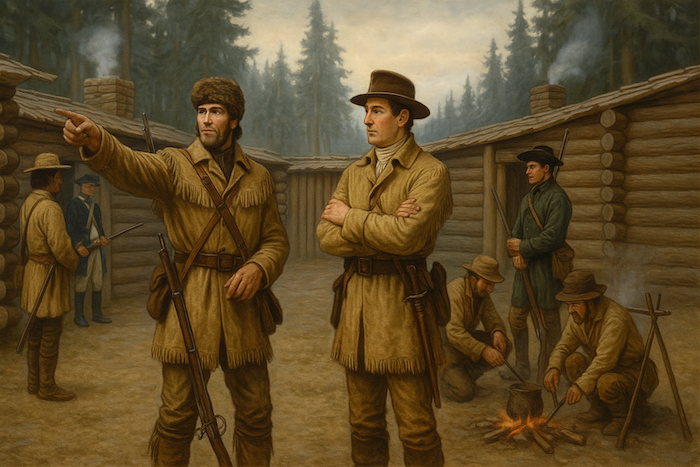
A depiction of Lewis and Clark and the Corps of Discovery at Fort Clatsop in Oregon in 1805. The Oregon TrailThe Oregon Trail became the most famous route for settlers in the 1840s and 1850s. Beginning in Missouri, it passed through Nebraska, Wyoming, and Idaho before reaching Oregon. The long journey was dangerous, marked by rough weather, scarce resources, and occasional conflicts with native tribes. Still, many settlers succeeded in creating prosperous communities founded on cooperation and perseverance.
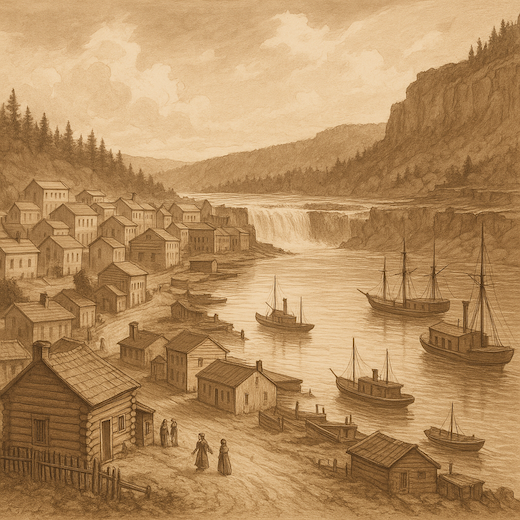
A depiction of Oregon City at the tail end of the Oregon Trail. Statehood and Modern OregonOregon became a U.S. territory in 1848 and achieved statehood in 1859. The early 20th century brought rapid growth with logging, fishing, and agriculture leading the way. Oregon also became a leader in environmental conservation, passing the Oregon Beach Bill in 1967 to preserve public access to beaches and the Oregon Bottle Bill in 1971—the first deposit law in the United States. Today, Oregon’s economy blends technology, manufacturing, and outdoor recreation while celebrating its layered cultural heritage from indigenous, European, and Western roots. Discussion Questions
Glossary
Timeline of Oregon History
Oregon, in the Pacific Northwest, has a long and varied history shaped by many cultures. From Native peoples to European settlers, Oregon’s story reflects change, challenge, and growth. The state is known for its scenic beauty, diverse communities, and deep cultural roots. Early PeoplesThe first residents of Oregon included the Chinook, Klamath, and Shoshone tribes. They lived off the land using advanced fishing and farming methods. The Chinook were expert traders and sailors. Many of their traditions and sites still remain today. Explorers and SettlersEuropean explorers arrived in the 1700s and 1800s. Spanish explorer Juan Perez reached the coast in 1774, and Lewis and Clark explored it in 1805. Settlers and fur traders soon followed, building new communities in the Oregon Territory. The Oregon TrailIn the 1840s and 1850s, thousands traveled the Oregon Trail seeking better lives. The 2,000-mile journey from Missouri was dangerous, but many settlers succeeded and built thriving towns across the region. Becoming a StateOregon became a U.S. territory in 1848 and a state in 1859. Its economy grew through logging, farming, and fishing. Oregon became a leader in conservation with laws like the 1967 Beach Bill and 1971 Bottle Bill. Today, Oregon balances technology, industry, and environmental care while celebrating its many cultural traditions. |