Introduction to Rhode Island
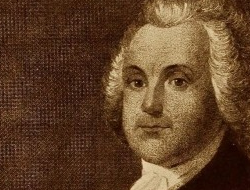
Rhode Island, the smallest state in the United States by land area, holds a big place in American history. Officially known as the State of Rhode Island and Providence Plantations, it was one of the original thirteen colonies and played a major role in the fight for independence. Founded in 1636 by Roger Williams as a haven for religious freedom, Rhode Island became known for its strong commitment to individual liberty and separation of church and state.
Geography and Landscape
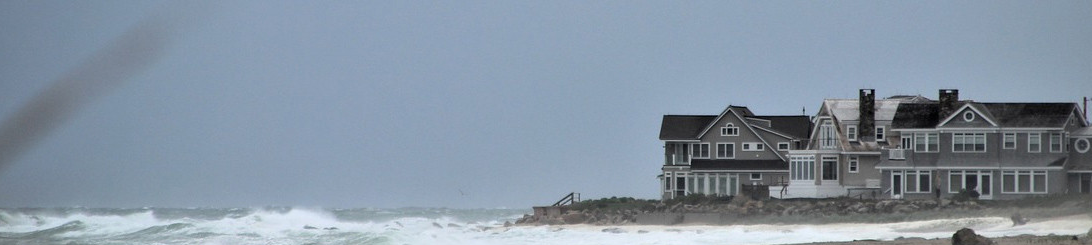
Despite its small size, Rhode Island boasts over 400 miles of coastline along the Atlantic Ocean and Narragansett Bay, earning it the nickname “The Ocean State.” Its beaches, bays, and coastal towns are popular for sailing, fishing, and tourism. Inland, the state features rolling hills, forests, and historic villages that preserve its colonial charm.
Economy and Culture
Rhode Island’s economy today blends advanced industries, healthcare, education, and tourism. Providence, the capital and largest city, is a hub for arts, higher education, and dining. The state’s cultural heritage reflects its colonial past, maritime traditions, and a vibrant arts scene, making it a unique and inviting place for visitors and residents alike.
|
| Fact |
Detail |
Interesting Facts |
| Region |
Northeast (New England) |
- Rhode Island is the smallest U.S. state by land area.
- The state’s official nickname is “The Ocean State,” reflecting its long coastline and Narragansett Bay.
- Most residents live within about a 30‑minute drive of the ocean.
- On May 4, 1776, Rhode Island became the first colony to formally renounce allegiance to Britain.
- It was the last of the original 13 states to ratify the U.S. Constitution, on May 29, 1790.
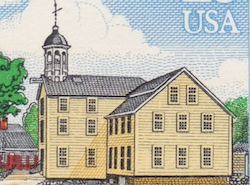
- Slater Mill in Pawtucket is often cited as the birthplace of the American Industrial Revolution.
- Jerimoth Hill, at 812 feet (248 m), is the state’s highest natural point.
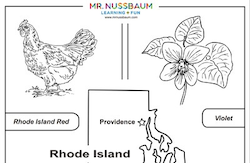
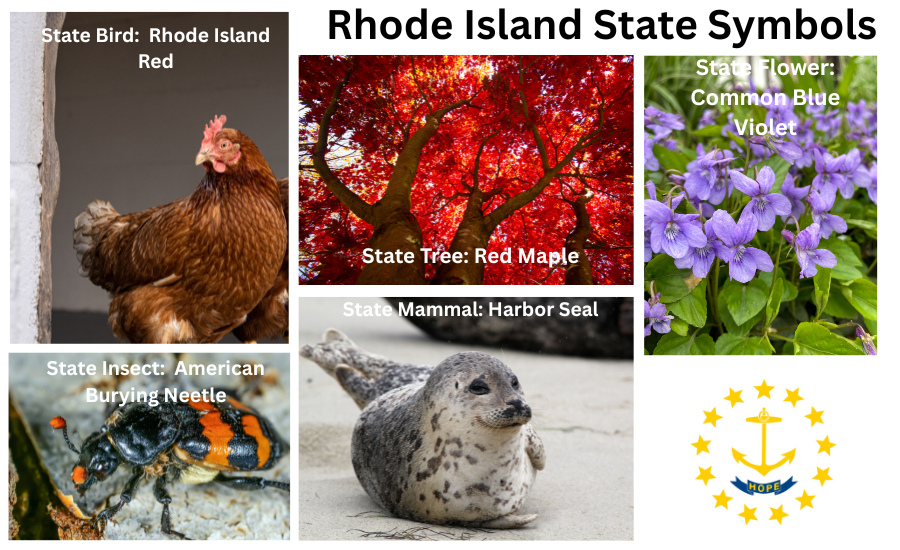
- The state bird is the Rhode Island Red, a famous chicken breed developed in the state.
- The “Rhode Island” in the state’s name originally referred to Aquidneck Island in Narragansett Bay.
- In 2020, the state officially shortened its name to “State of Rhode Island.”
|
| Population |
~1.1 million (2024 est.) |
| Area |
≈1,214 sq mi (≈3,144 km²) |
| Statehood Date |
May 29, 1790 (13th state) |
| Capital City |
Providence |
| Largest City |
Providence |
| Abbreviation |
RI |
| Nicknames |
The Ocean State; Little Rhody |
| Geography |
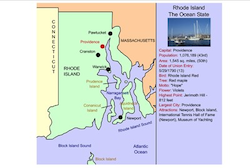
Smallest U.S. state by area; coastal lowlands and New England upland; includes islands in Narragansett Bay |
| Bordering States |
Massachusetts (north & east), Connecticut (west); water boundary with NY to the southwest |
| Economy |
Industries: tourism, manufacturing, health services, banking, seafood (coastal/sea trade) |
| State Tree |
Red maple |
| State Bird |
Rhode Island Red chicken |
|