Rhode Island History |
 |
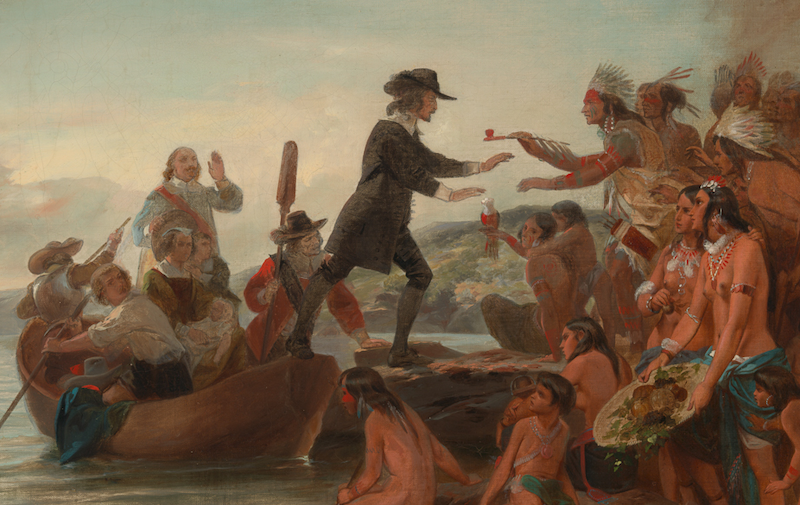
Early History and SettlementThe area now known as Rhode Island was originally home to the Narragansett people. Dutch explorers arrived in the early 1600s, naming it "Roodt Eylandt" or "red island." In 1636, Roger Williams founded Providence as a place for religious freedom, setting it apart from the Puritan colonies of Massachusetts. By 1647, Providence, Newport, Warwick, and Portsmouth united to form the colony of Rhode Island.
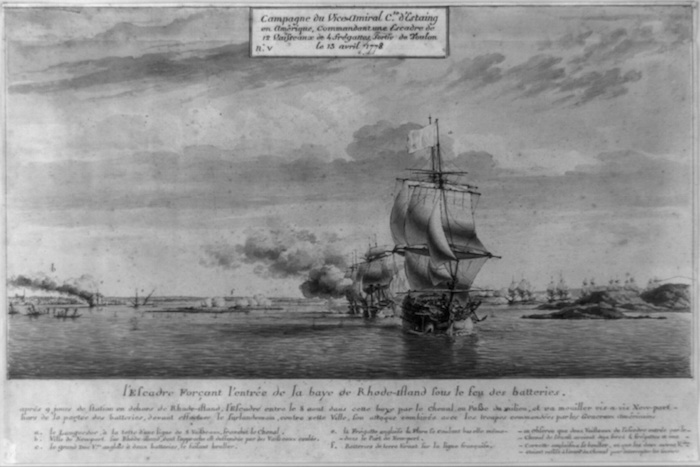
The Landing of Roger Williams - Alonzo Chappel (1857) Colonial Era and the American RevolutionRhode Island’s coastal location made it a hub for agriculture and trade in the 17th century. The colony became an active participant in the fight against British rule, declaring independence on May 4, 1776—two months before the Declaration of Independence. The Battle of Rhode Island was among its notable Revolutionary War contributions.
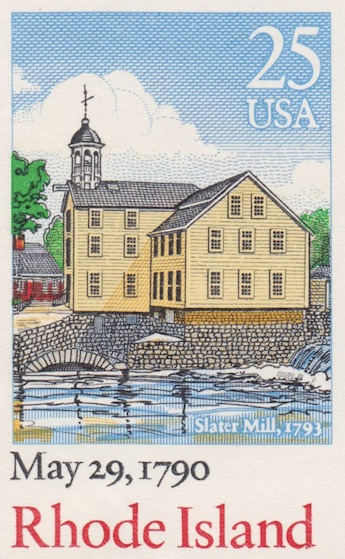
Scene from the Battle of Rhode Island, also called the Battle of Newport (1778) Industrial Growth in the 19th CenturyAs the 19th century progressed, Rhode Island’s economy shifted from farming to manufacturing. Water power and transportation networks supported mills and factories, making the state famous for textiles and jewelry production. Many residents worked in these industries. Economic Changes in the 20th Century and TodayManufacturing declined in the 20th century, leading to a diversified economy that now includes major companies such as Textron and Hasbro. The service sector, finance, and healthcare play significant roles in the state’s modern economy. Discussion Questions
Glossary
Rhode Island History Timeline
Early SettlementRhode Island was first home to the Narragansett people. Dutch explorers arrived in the early 1600s and named it “Roodt Eylandt,” meaning “red island.” In 1636, Roger Williams created Providence as a place for religious freedom, different from nearby Puritan colonies. In 1647, Providence, Newport, Warwick, and Portsmouth joined to form the colony of Rhode Island. Colonial and Revolutionary EraIts location along the Atlantic coast made Rhode Island important for farming and trade. On May 4, 1776, it became the first colony to declare independence from Britain. The Battle of Rhode Island was one of its major contributions to the American Revolution. Industrial GrowthBy the 19th century, Rhode Island’s economy shifted from farming to manufacturing. Mills and factories produced textiles and jewelry, and many residents worked in these industries. Modern EconomyIn the 20th century, manufacturing declined, and the economy diversified. Today, Rhode Island has major companies like Textron and Hasbro, and its service industries, finance, and healthcare are important to its economy. |