United States Cities
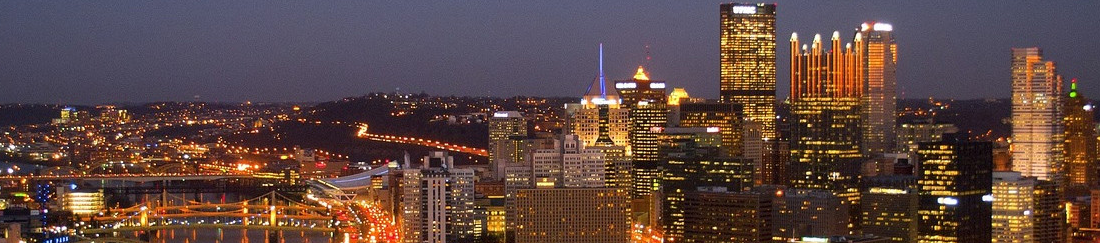
Pittsburgh
United States Cities |
Introduction to United States Cities
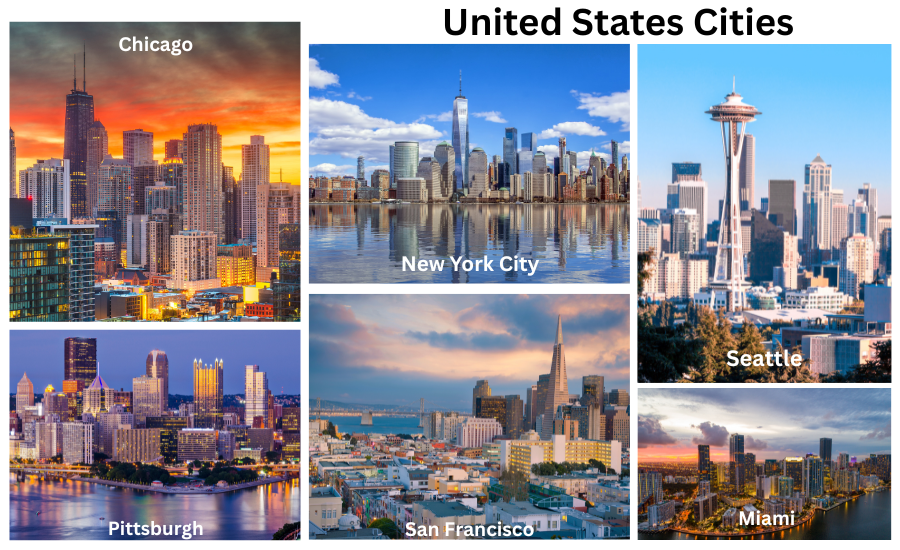
The cities of the United States form a dynamic network of culture, commerce, and innovation that stretches from coast to coast. Each city tells its own story—shaped by geography, history, and the people who call it home. From the skyscrapers of New York City to the coastal charm of San Francisco, urban America showcases a remarkable variety of traditions, cuisines, and lifestyles.
Many of the nation’s largest cities began as trading posts or ports and grew into centers of industry and technology. Cities like Chicago, Houston, and Atlanta became major hubs of transportation and business, while others such as Boston, Philadelphia, and Washington, D.C. hold deep historical and political importance. Across the country, smaller cities and towns contribute to regional character and provide unique local experiences.
American cities continue to evolve through creativity and diversity. Urban planners, artists, and communities work together to balance growth with sustainability, preserving history while embracing change. Whether exploring iconic landmarks, attending cultural festivals, or experiencing the rhythm of city life, visitors and residents alike discover that U.S. cities reflect the nation’s enduring spirit of opportunity and connection.
|
Interesting Facts |
| Top Ten Largest U.S. Cities by Population |
Interesting Facts |
| Rank |
City |
State |
Approx. Population* |
| 1 | 🏙️New York City | New York | 8.1+ million |
| 2 | 🌴Los Angeles | California | 3.9+ million |
| 3 | 🏗️Chicago | Illinois | 2.7+ million |
| 4 | ⛽Houston | Texas | 2.3+ million |
| 5 | ☀️Phoenix | Arizona | 1.7+ million |
| 6 | 🔔Philadelphia | Pennsylvania | 1.55+ million |
| 7 | 🤠San Antonio | Texas | 1.45+ million |
| 8 | 🌊San Diego | California | 1.38+ million |
| 9 | ⭐Dallas | Texas | 1.30+ million |
| 10 | ⚓Jacksonville | Florida | 1.0+ million |
| 11 | 🌉San Jose | California | 980,000+ |
| 12 | 🎸Austin | Texas | 960,000+ |
| 13 | ⚜️Fort Worth | Texas | 950,000+ |
| 14 | 🏞️Columbus | Ohio | 910,000+ |
| 15 | 🌵El Paso | Texas | 680,000+ |
| 16 | 🎰Las Vegas | Nevada | 670,000+ |
| 17 | ⚓Portland | Oregon | 650,000+ |
| 18 | 🏈Detroit | Michigan | 640,000+ |
| 19 | 🎭Memphis | Tennessee | 630,000+ |
| 20 | 🏰Baltimore | Maryland | 580,000+ |
|
- New York City has been the most populous U.S. city since the very first U.S. census in 1790.
- Many of the biggest cities today are in the Sun Belt (South and Southwest), where jobs, warmer weather, and newer housing have attracted people.
- Population doesn’t always match land size—for example, Jacksonville covers a huge area, while NYC is very dense.
- Texas is the only state with three cities in the top 10: Houston, San Antonio, and Dallas.
- Cities like Phoenix and San Antonio have grown rapidly in recent decades due to migration, jobs, and affordable housing.
- Large U.S. cities often act as gateways for immigrants, which is why they’re so culturally diverse.
- Most large cities built extensive public transportation (subways, metro, buses) as they grew to handle millions of daily trips.
- Big U.S. cities often specialize: NYC = finance/media, LA = entertainment, Houston = energy, Chicago = transport/trade.
- Metro areas (city + suburbs) are often much bigger than the “city proper.” For example, the NYC metro has well over 18 million people.
- Urban planners watch these cities closely because they show trends in housing costs, traffic, climate resilience, and jobs that later reach smaller cities.
|
|
|