Utah History |
|
|
|
Utah HistoryThe state of Utah, located in the western region of the United States, has a deep and varied history that spans thousands of years. From the earliest indigenous peoples to the arrival of Mormon pioneers and beyond, the state has been shaped by a variety of cultural and economic influences. Utah is known for its stunning natural landscapes, diverse communities, and unique religious heritage, all of which reflect the complex history of this remarkable state. Indigenous PeoplesUtah's earliest inhabitants were a variety of indigenous groups, including the Shoshone, Ute, and Paiute peoples. These groups had a deep connection to the land and developed advanced hunting, fishing, and agricultural techniques. The Ute people, in particular, were known for their horsemanship and trading skills, which enabled them to develop extensive networks throughout the region. The legacy of these indigenous peoples is still visible in the many artifacts, ruins, and cultural traditions that exist in Utah today. Mormon PioneersThe arrival of Mormon pioneers in the mid-19th century had a profound impact on the history of Utah. The Church of Jesus Christ of Latter-day Saints, or Mormon Church, was founded in New York in 1830 by Joseph Smith. By the 1840s, the church had grown significantly and many of its members were looking for a new home. In 1846, Brigham Young, the new leader of the church, led a group of pioneers to the Salt Lake Valley, which he saw as a place of refuge and religious freedom. The Mormon pioneers faced many challenges in Utah, including harsh weather, limited resources, and conflicts with indigenous peoples. However, they were able to establish a thriving community based on a strong work ethic, cooperative spirit, and unique religious practices. The pioneers built many towns and cities throughout Utah, including Salt Lake City, which became the capital of the territory. The Mormon Church also played a major role in the economic and political development of the state, with many members holding prominent positions in government and industry.
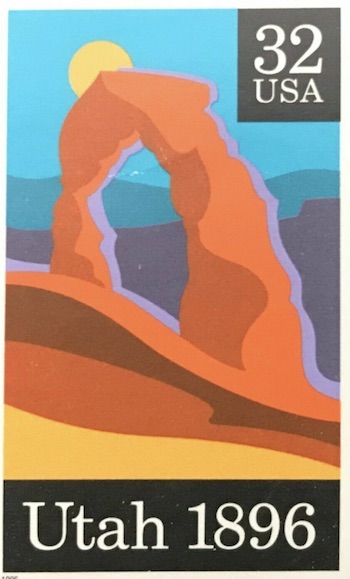
Brigham Young Statehood and Modern UtahUtah became a territory of the United States in 1850 and was granted statehood in 1896. In the early 20th century, Utah experienced a period of rapid growth and modernization, with the development of new industries such as mining, agriculture, and tourism. The state also played a role in the Civil Rights movement, with many Mormon Church leaders advocating for racial equality and social justice. Today, Utah is known for its stunning natural beauty, with several national parks and monuments located within the state's borders. The state's economy is based on a mix of industries, including technology, manufacturing, and outdoor recreation. Utah is also known for its unique culture, which combines elements of the state's indigenous, Mormon, and Western heritage.
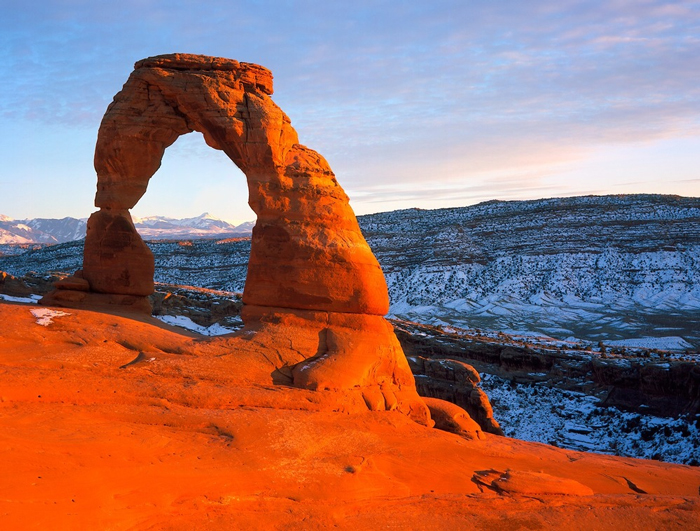
Delicate Arch at Arches National Park - Moab, UT Discussion Questions
Glossary
Utah History Timeline
Utah, in the western United States, has a long history shaped by indigenous peoples, Mormon pioneers, and modern industries. Known for its natural beauty and cultural traditions, Utah reflects a blend of influences over thousands of years. Indigenous PeoplesUtah’s first inhabitants included the Shoshone, Ute, and Paiute peoples. They lived from the land using farming, hunting, and fishing. The Ute were skilled with horses and trade, forming wide networks. Their traditions remain important in Utah today. Mormon PioneersIn 1830, Joseph Smith founded the Mormon Church in New York. After facing hardships, Brigham Young led the pioneers west in 1846. By 1847 they settled in the Salt Lake Valley, where they built towns and created Salt Lake City. Their faith and cooperation helped them survive difficult conditions and grow. Statehood and Modern UtahUtah became a U.S. territory in 1850 and a state in 1896. Mining, farming, and tourism boosted its economy in the 1900s. Today, Utah is known for its national parks, technology, and outdoor recreation, while keeping its cultural mix of indigenous, Mormon, and Western roots. |