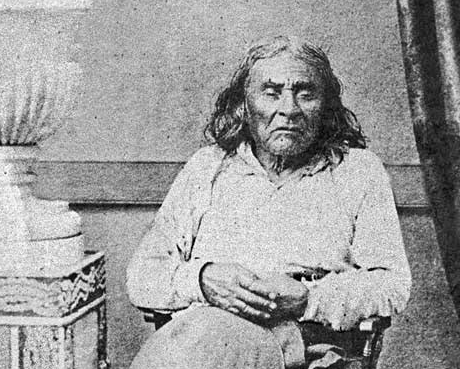
Chief Seattle |
The only known photograph of Chief Seattle |
Chief Seattle: Voice of His PeopleChief Seattle, also known as Si’ahl, was a respected leader of the Duwamish and Suquamish tribes in the Pacific Northwest. Born around 1786 near present-day Seattle, Washington, he grew up in a time of great change as European and American settlers began moving into his people's lands. Known for his wisdom, courage, and diplomacy, Chief Seattle sought peace between his people and the newcomers while trying to protect the traditions and lands of his tribe. Early Life and LeadershipChief Seattle’s father was Suquamish and his mother was Duwamish, connecting him to both tribes. As a young man, he became known for his strong leadership and powerful speaking voice. His name, Si’ahl, was later used to name the city of Seattle in his honor. He became chief of both tribes and led them in maintaining trade and relationships with other Native American groups and settlers. Dealing with ChangeWhen American settlers began arriving in the 1850s, Chief Seattle faced the difficult task of protecting his people’s way of life while avoiding unnecessary conflict. He supported peaceful cooperation and believed that violence would only bring more suffering. His most famous speech, given around 1854, expressed his deep respect for the Earth and the belief that all living things are connected. Though the exact words were recorded by settlers, the spirit of the speech reflects his wisdom and care for the environment. Later Years and LegacyIn 1855, Chief Seattle signed the Treaty of Point Elliott, which forced his people to give up much of their land but guaranteed them reservations and fishing rights. He spent his later years living near the Suquamish Reservation at Port Madison, where he died in 1866. Chief Seattle’s legacy endures as a symbol of peace, respect for nature, and cultural understanding. His name and message continue to inspire people around the world to care for the Earth and honor the wisdom of Indigenous peoples. Discussion Questions
Glossary
Five Interesting Facts
Timeline
Chief Seattle (Simplified Version)Chief Seattle, or Si’ahl, was a leader of the Duwamish and Suquamish tribes in Washington. Born around 1786, he grew up during a time when settlers were moving into his people’s land. Known for his wisdom and strong voice, he tried to keep peace between Native tribes and settlers. Leader and PeacemakerSeattle’s parents came from two tribes, which helped him unite them. When settlers arrived, he believed peace was better than war. His most famous speech spoke about how people should care for the Earth and remember that all life is connected. LegacyIn 1855, Chief Seattle signed a treaty that took much of his land but allowed his people to stay on reservations. He died in 1866, but his message of peace and respect for nature still inspires people today. The city of Seattle is named after him. |