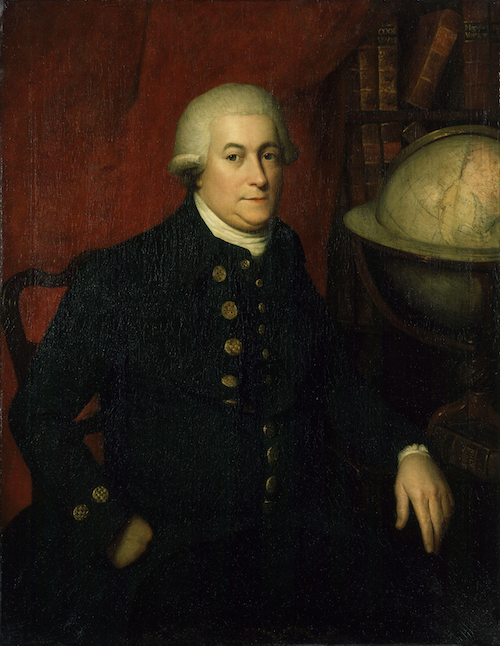
The Travels of George Vancouver |
|
George Vancouver: Explorer of the Pacific NorthwestGeorge Vancouver was a British naval officer and explorer best known for mapping the Pacific Northwest coast of North America. Born in 1757 in King’s Lynn, England, Vancouver joined the Royal Navy at a young age and spent much of his life at sea. His careful maps and detailed records helped expand European knowledge of the Pacific coast, from California to Alaska, during a time when nations were racing to claim new lands. Early Naval CareerVancouver began his naval service at age 13. He served under Captain James Cook on two famous voyages of exploration in the Pacific Ocean. These experiences taught him the skills of navigation and surveying that would later make him one of Britain’s best explorers. After returning from Cook’s voyages, he continued to serve in the navy and was later chosen to lead his own major expedition. The Great VoyageIn 1791, George Vancouver was sent by Britain to explore and chart the Pacific coast of North America. His mission was to map the coastline accurately and resolve border questions between Britain and Spain. During his four-year expedition, he explored and named many places that are still known today, including Vancouver Island, Puget Sound, and Mount Rainier. He also met with Native American tribes and recorded valuable information about their lands and cultures. Legacy and Final YearsAfter returning to England in 1795, Vancouver worked to publish his journals and maps. Sadly, he faced criticism from rivals and died in 1798 at the age of 40 before finishing his publications. Despite these hardships, his maps remained some of the most accurate of their time and were used for decades. Today, the city of Vancouver in Canada and Vancouver Island are named in his honor, reminding us of his lasting impact on exploration and geography. Discussion Questions
Glossary
Five Interesting Facts
Timeline
George Vancouver (Simplified Version)George Vancouver was a British explorer and mapmaker who explored the Pacific Northwest in the 1790s. Born in England in 1757, he joined the navy as a boy and sailed with Captain James Cook. These trips taught him about exploring and mapping new lands. Exploring the Pacific CoastIn 1791, Vancouver led his own expedition to map the coast from California to Alaska. He named many places, including Vancouver Island and Puget Sound. He met Native American groups and carefully recorded what he saw. Lasting ImpactVancouver returned to England in 1795 and began publishing his maps, which became famous for their accuracy. He died in 1798, but his name lives on in cities and landmarks across the Pacific Northwest. |