Shoshone Nation |
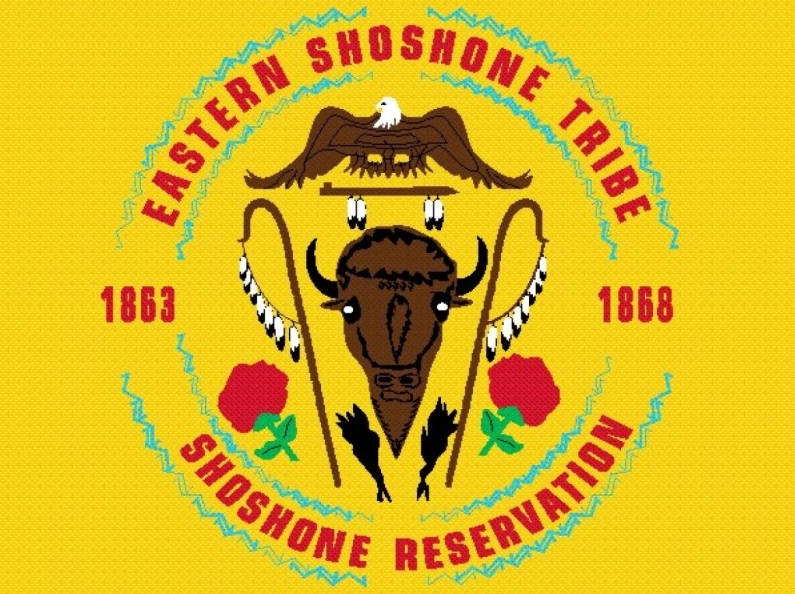
Shoshone Nation Flag |
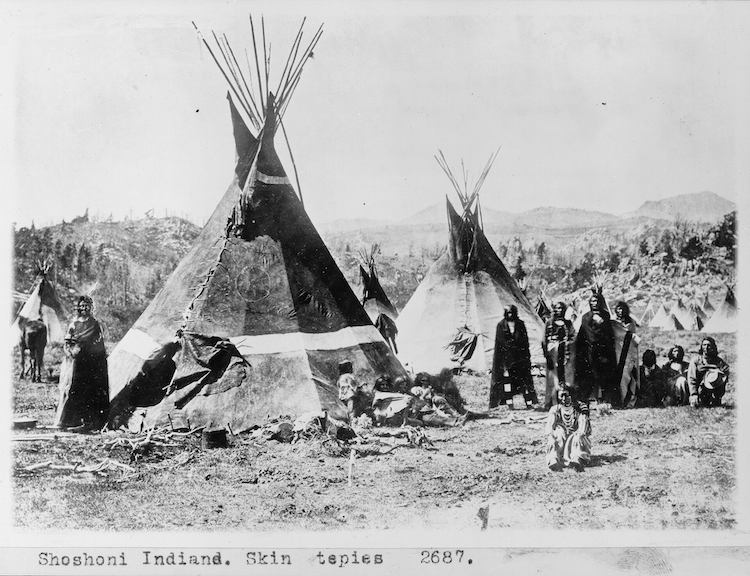
Origin of the NameThe name “Shoshone” comes from “Sosoni,” meaning “high-growing grasses.” Outsiders also called them “Snake Indians,” though this came from a misunderstood hand sign that really meant “people near the river.” RangeThe Shoshone lived across much of the West, including Nevada, Utah, Idaho, Wyoming, and Montana. Different groups lived in deserts, valleys, and the Rocky Mountains. DietFood depended on where they lived. Basin Shoshone ate seeds, nuts, and rabbits. Mountain and Plains groups hunted buffalo, fished in rivers, and gathered berries. HomesIn the desert, the Shoshone built small brush shelters called wikiups. On the Plains, they used buffalo-hide tipis, which were easy to move as they traveled.
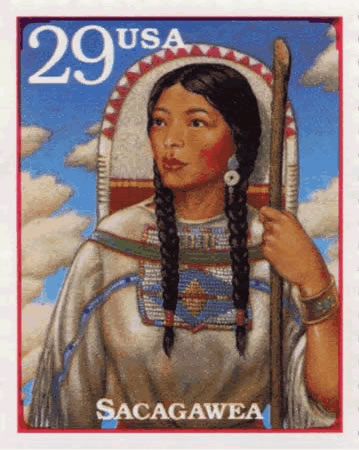
CultureThe Shoshone were highly adaptable, and their culture reflected the diversity of the landscapes where they lived. They created different traditions depending on whether they lived in the desert, mountains, or plains. Music, storytelling, and crafts were all central to daily life. Traditional songs were often accompanied by rattles, drums, and wooden flutes, and they were performed at dances, ceremonies, or social gatherings. Storytelling passed down myths, history, and moral lessons. Among these tales, the trickster Coyote appeared often, teaching lessons about wisdom, greed, and survival. Art and craftsmanship were also very important. The Shoshone were known for their beautifully woven baskets, which were made from willow, sagebrush, and grasses. These baskets were used for food gathering, cooking, and carrying water. They also decorated buckskin clothing with beads, shells, and porcupine quills, often in patterns that carried symbolic meaning. After trade with Europeans began, they added glass beads to their designs, creating colorful belts, moccasins, and dresses. Spiritual life was guided by a belief in harmony with nature. Shamans, or spiritual leaders, helped heal the sick and guided ceremonies. Dreams and visions were seen as powerful messages, often influencing hunts, battles, or personal choices. The Sun Dance, later adopted from Plains tribes, became a sacred ceremony practiced by some Shoshone groups. Family was the heart of Shoshone culture. They lived in small bands led by a respected chief, usually chosen for wisdom and generosity rather than strict power. Cooperation was essential for survival, especially during hunting or food-gathering seasons. Marriage often connected different bands, strengthening ties across their wide territory. The Shoshone were also skilled traders. They exchanged food, hides, horses, and crafts with neighboring tribes such as the Ute, Bannock, and Nez Perce. Through trade networks, they gained items like corn, shells, and later, European goods such as guns and metal tools. This exchange helped them adapt quickly to changes in their environment and in the world around them. Perhaps the most famous cultural contribution was through Sacagawea, the young Shoshone woman who guided the Lewis and Clark expedition in 1805–1806. Her knowledge of languages, survival skills, and the land itself made her a symbol of Shoshone resourcefulness and resilience. Today, the Shoshone continue to celebrate their traditions with powwows, dances, and cultural festivals that keep their history alive for new generations.
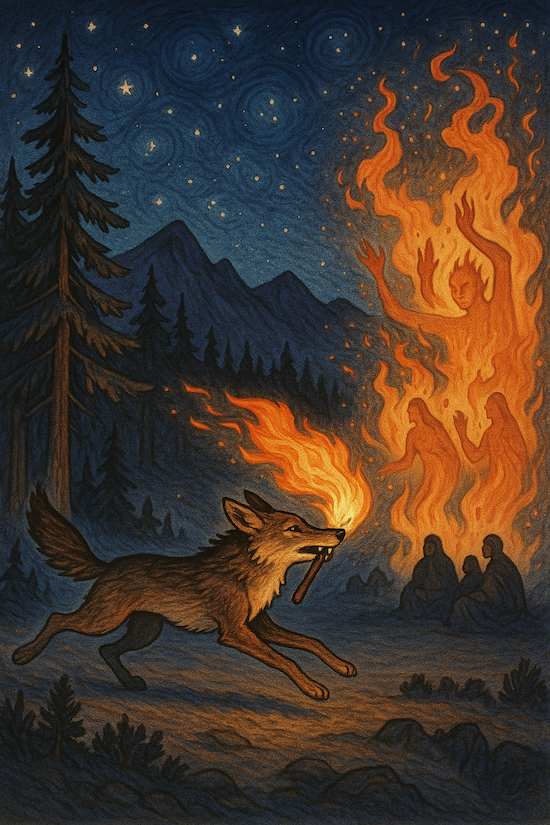
Myths and StoriesCoyote, a central figure in Shoshone stories, was seen as both a helper and a trickster. In one tale, Coyote wanted to bring fire to the people. He tricked the fire spirits by stealing a burning stick and passing it to other animals who helped carry it across the land. Because of Coyote’s cleverness, humans gained fire, but his tail was scorched black in the process.
Shoshone Fire Myth In another story, Coyote bragged that he was the fastest runner of all animals. To prove it, he challenged the mountain sheep to a race. At first, he sprinted ahead, laughing at how easily he would win. But he grew careless and stopped to rest, while the mountain sheep climbed steadily. In the end, Coyote lost. The story taught that pride and laziness can cause even the clever to fail. Such stories entertained families around the fire and also carried important lessons about humility, sharing, and the dangers of greed. Through Coyote, the Shoshone passed down wisdom in a way that was both playful and meaningful. WarfareWarfare among the Shoshone changed over time. Before they had horses, their conflicts were usually small and focused on defending hunting grounds or resources. After the 1700s, when horses spread into their lands, Shoshone warriors became skilled riders and could travel farther for raids. They often fought with neighboring tribes such as the Blackfoot, Crow, and Sioux, competing for buffalo herds and horses. In the 1800s, as settlers and the U.S. Army moved into Shoshone territory, violent clashes grew more common. One of the most tragic events was the Bear River Massacre of 1863, when U.S. troops killed hundreds of Shoshone men, women, and children. Despite these losses, Shoshone leaders like Chief Washakie worked to protect their people through both resistance and diplomacy. History Timeline
Discussion Questions
Origin of the NameThe name “Shoshone” comes from the word “Sosoni,” meaning “high-growing grasses.” Early explorers and neighbors sometimes called them “Snake Indians,” from a hand sign that really meant “people who live near rivers.” RangeThe Shoshone lived across a large part of the West. Their lands stretched through Nevada, Utah, Idaho, Wyoming, and into Montana. Different groups lived in deserts, valleys, mountains, and plains. DietFood depended on location. Desert Shoshone gathered seeds, nuts, and roots, and hunted rabbits. Mountain and Plains Shoshone hunted buffalo after getting horses, fished for salmon and trout, and gathered berries. Trade also brought corn and other foods. HomesIn the Great Basin, Shoshone built wikiups, shelters of willow poles and brush. On the Plains, they used buffalo-hide tipis, which were easy to carry during seasonal travel. CultureThe Shoshone had rich traditions of music, dance, and storytelling. They played drums, rattles, and flutes, and passed down myths about the trickster Coyote, who taught lessons about pride, greed, and cleverness. They were skilled at basket weaving, beadwork, and decorating buckskin clothing. After trade with Europeans, they added glass beads to their art. Spiritual life focused on harmony with nature, with shamans guiding healing and ceremonies. Families lived in small bands led by respected chiefs, and they traded widely with neighbors. Sacagawea, a Shoshone woman, became famous for guiding Lewis and Clark in 1805. Today, Shoshone people still honor their traditions with powwows and festivals. WarfareBefore horses, Shoshone fought mainly to defend hunting grounds. After horses spread north in the 1700s, they became skilled riders and sometimes raided enemies for horses and supplies. They clashed often with tribes like the Blackfoot and Crow, and later resisted U.S. expansion. History Timeline
Discussion Questions
|