Wyoming History |
|
|
|
Wyoming: Land of Wide Open Spaces and HistoryWyoming is a state located in the western region of the United States, known for its natural beauty, wide open spaces, and deep history. The region that is now Wyoming was originally inhabited by various indigenous tribes, including the Arapaho, Cheyenne, and Sioux nations. Early Exploration and TradeIn the early 19th century, Wyoming became part of the Louisiana Territory, purchased by the United States from France in 1803. Over the next decades, traders, trappers, and explorers came to the region, drawn by its abundant wildlife and natural resources. Trading posts like Fort Laramie and Fort Bridger became important centers of activity as settlers and pioneers established communities.
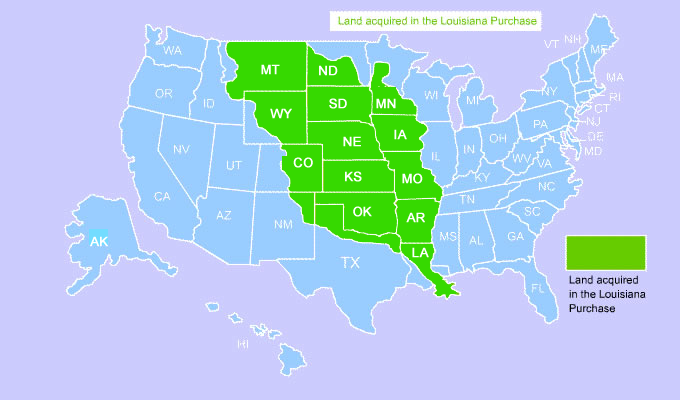
Most of Wyoming was included in the Louisiana Purchase
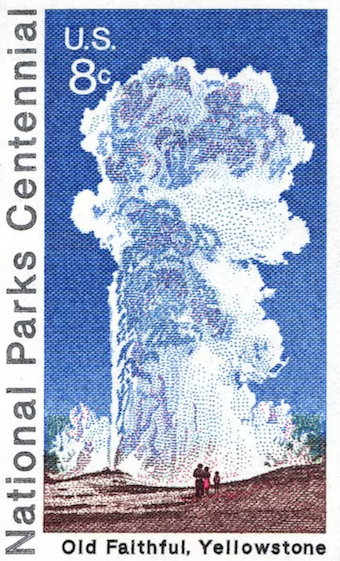
Territory and GrowthIn the late 19th century, Wyoming became a U.S. territory. The discovery of gold, copper, and other minerals fueled new growth, while cattle ranching made the state a hub for cowboys and cattle drives. In 1872, Yellowstone, located in the northwest corner of Wyoming, became the first national park in American history.
Conflicts and StrugglesWyoming was the site of several dramatic events. The Fetterman Massacre in 1866 saw Sioux warriors ambush and kill U.S. soldiers. Later, the Johnson County War erupted as conflict between wealthy cattle ranchers and smaller, independent ranchers. Modern Development and AchievementsBy the 20th century, Wyoming became a leader in the energy industry, with vast reserves of coal, oil, and natural gas driving its economy. The state made history in 1925 by electing Nellie Tayloe Ross, the first female governor in United States history. Discussion Questions
Glossary
Timeline of Wyoming History
Wyoming, located in the western United States, is known for its natural beauty and open landscapes. Long before it became a state, tribes such as the Arapaho, Cheyenne, and Sioux lived in the region. In 1803, the land became part of the Louisiana Purchase, and explorers, trappers, and settlers began to arrive. Trading posts like Fort Laramie and Fort Bridger became important stops for travelers and communities. Wyoming grew quickly after minerals like gold and copper were discovered. Cowboys and cattle ranching shaped its culture, while Yellowstone became the nation’s first national park in 1872. However, the state also saw conflicts, including the Fetterman Massacre and the Johnson County War. By the 20th century, Wyoming turned into an energy leader with coal, oil, and gas resources. It also made political history in 1925 by electing Nellie Tayloe Ross, the first female governor in the United States. |