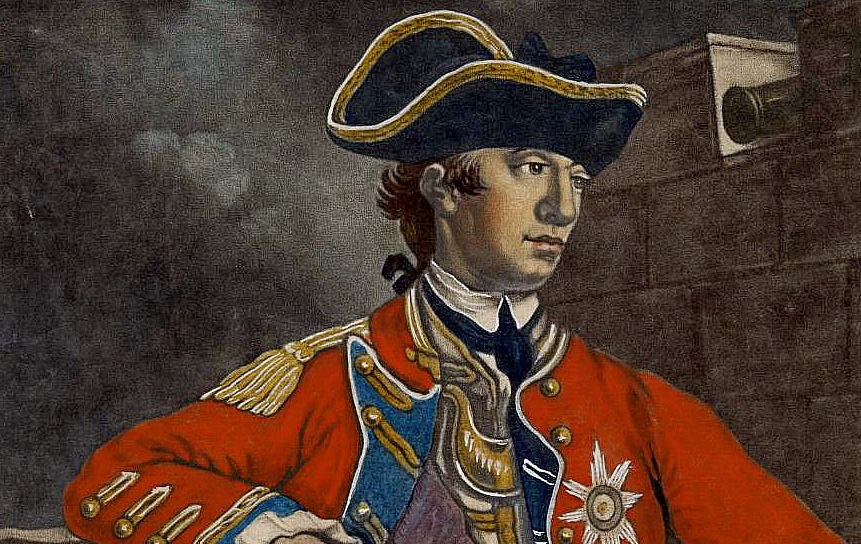
William Howe
Commander on the field
The British commander who led the direct assaults. His decisions at Bunker Hill shaped how Britain fought in New England afterward.

After Lexington and Concord, Patriot forces pressured the British in Boston. The British could still use the harbor, but moving supplies and troops by land was difficult.
British leaders planned to control high ground around Boston, including the Charlestown Peninsula. Patriots learned of the plan and moved quickly to fortify the hills first.
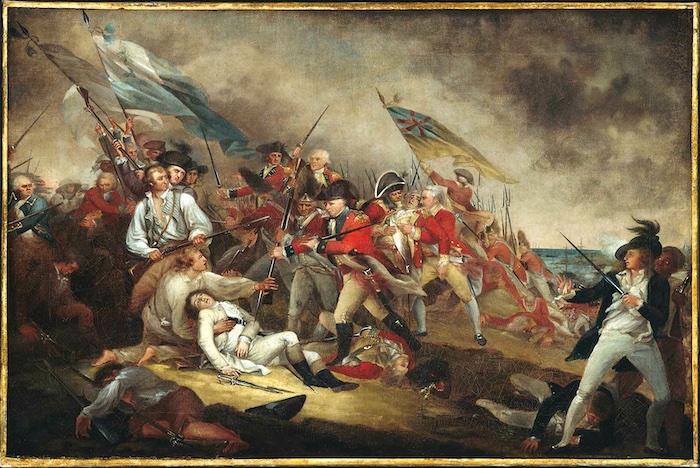
The British chose a direct assault to drive the Patriots off the heights. The fighting was intense, and British attacks suffered heavy casualties.
The British eventually took the position, but the victory was costly. The battle proved that Patriot forces would not break easily, even against trained regular soldiers.