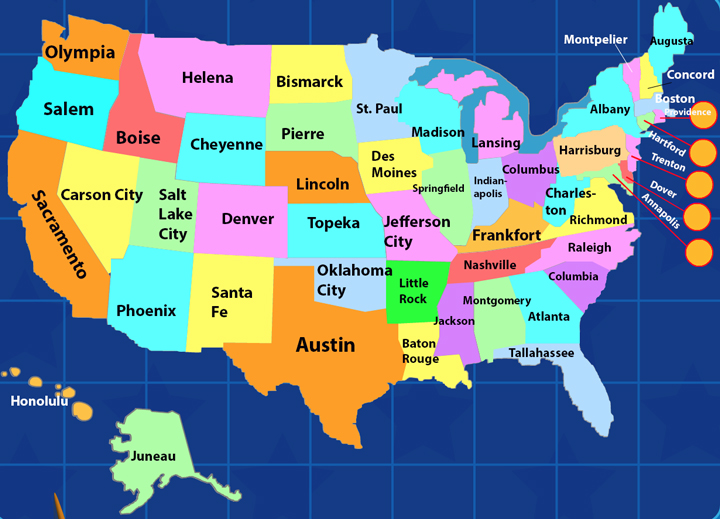
Click on a Capital City to Learn More
Welcome!
Click on a capital city on the map to learn more. Then open the scavenger hunt to test yourself.
Augusta, Maine
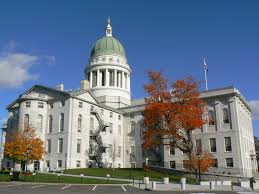
Augusta, Maine was first explored by members of the Popham Colony in 1607. It was inhabited by individuals from the Plymouth Colony and built as a trading post in 1625. At the time, the settlement was known as Cushnoc.
In 1754, Fort Western was built in the region. It is the oldest wooden fort still standing in the United States. Augusta was designated the capital of Maine in 1827. It was incorporated as a city in 1849.
Concord, New Hampshire

Concord, New Hampshire was founded sometime around 1720 by Ebenezer Eastman and a group of Massachusetts settlers. It was originally called Pemacook, then Rumford, before being changed to Concord in 1756.
Concord was made capital of New Hampshire in 1808. Its capital building was built in 1819.
Today, Concord is a typical New England town with lots to see. It is home to the Christa McAuliffe Planetarium, the Museum of New Hampshire History, and the Franklin Pierce Law Center – the only law school in the state.
Montpelier, Vermont
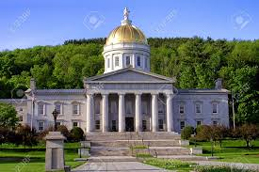
Chartered in 1781, Montpelier was named after the French city of the same name. The city's economy was once highly dependent on timber, and is now based on granite processing.
With only about 8,000 people, Montpelier is the nation's smallest capital city. It is the only capital city without a McDonald's and the only capital city with a clothes pin factory.
Boston, Massachusetts
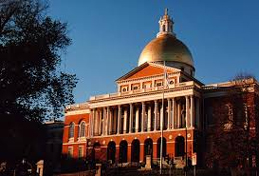
Boston was founded in 1630 by English Puritans. The area was originally called Trimountaine, but later renamed Boston after a town in England. In 1635, the first public school in America was founded (Boston Latin School) in Boston, followed by the first university (Harvard) in 1636.
In the 1770s, Boston was the hotbed of revolutionary action in America. After the Boston Massacre and Boston Tea Party, the first battles of the American Revolution were fought in nearby towns, and the Battle of Bunker Hill was fought in present-day downtown.
Today, Boston is the capital of Massachusetts and cultural and economic center of New England. It is affectionately called “Beantown.” It is also a major college town and is home to many prestigious schools such as Tufts, MIT, Wellesley, Boston College, and Boston University.
Hartford, Connecticut

Hartford was first settled in 1637. It was originally called Newtown, but changed to Hartford in honor of the English town of Hertford.
In the 1800s, the Hartford region was the center of abolitionist (anti-slavery) activity in America. Harriet Beecher Stowe wrote Uncle Tom's Cabin in Hartford, and her brother Henry Ward Beecher preached against slavery.
Today, Hartford is often referred to as “The Insurance Capital of the World” because several major insurance companies are headquartered there.
Providence, Rhode Island

Providence was founded in 1636 by Roger Williams. Williams, exiled from Puritan Massachusetts, survived an entire winter in the woods before securing land from the Narragansett people.
Williams founded Providence as a refuge for persecuted religious dissenters. In 1676, much of the town was burned during King Philip's War, but it was rebuilt and became a major fishing and shipping center.
After the Revolutionary War, Providence became a manufacturing center, producing jewelry, silverware, and machinery. In 1900, it became the sole capital of Rhode Island.
Albany, New York
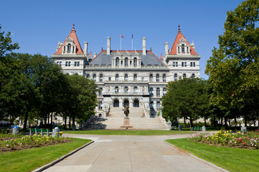
Albany was originally settled in 1614 as a Dutch trading post known as Fort Nassau. The name was changed to Albany in 1664 after the British took control. It was named after the Duke of Albany.
Albany was officially chartered in 1686, making it the second oldest chartered city in America. It was made capital of New York in 1797. The state capital building, modeled after the city hall of Paris, France, was completed in 1899.
Harrisburg, Pennsylvania

Harrisburg, originally named Louisburg, was incorporated as a city in 1791 and made capital of Pennsylvania in 1812. The small town served as a training ground for Union troops during the Civil War.
Today, Harrisburg is home to the Pennsylvania Farm Show, a major agricultural exposition started in 1931.
Trenton, New Jersey

Trenton was originally founded as a Quaker settlement in 1679, named after William Trent, one of its most important landowners.
Trenton was the site of George Washington's first major victory in the Revolutionary War on December 26, 1776, when he captured 800 Hessian soldiers after crossing the icy Delaware River.
Trenton was once a major manufacturing center and is home to the famous sign: “Trenton Makes, the World Takes.”
Dover, Delaware
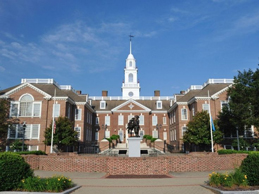
Dover was formed as the court town for Kent County in 1683 by William Penn. In 1777, the state's capital was moved from New Castle to Dover because of its central location and because it was out of reach of British naval bombardments.
Dover was the home of Caesar Rodney, a signer of the Declaration of Independence. In the mid-1800s, Dover had a large Quaker population that helped manage stops on the Underground Railroad.
Annapolis, Maryland

Annapolis is the port city capital of Maryland and home of the United States Naval Academy. In 1783, Annapolis briefly served as the capital of the United States following the signing of the Treaty of Paris.
In December of that year, George Washington resigned as Commander-in-Chief of the Continental Army in Annapolis. Today, the city is full of marinas, shops, and historic sites.
Richmond, Virginia
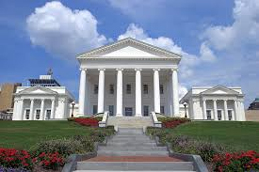
Richmond, originally called Henricus, was settled by Thomas Dale in 1611. In 1737, the name was changed to Richmond after the British city Richmond-upon-Thames.
In 1775, Patrick Henry shouted “Give me liberty or give me death!” in Richmond. During the Civil War, Richmond was the capital of the Confederacy and the target of many Union campaigns.
Today, Richmond is the third largest city in Virginia, and the smallest city in America that has a Federal Reserve Bank.
Raleigh, North Carolina
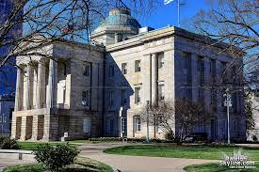
Raleigh is the capital and second largest city in North Carolina. It lies in the “Research Triangle,” along with Chapel Hill and Durham.
Raleigh was founded in 1792 and named after Sir Walter Raleigh. In 1808, future president Andrew Johnson was born there. In 1887, North Carolina State University was founded.
Today, it is one of the fastest growing cities in the U.S. and home to many museums and the NHL’s Carolina Hurricanes.
Columbia, South Carolina
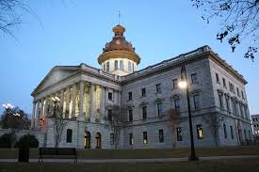
Columbia is the capital and largest city of South Carolina. It was founded in 1786 as the new capital. Legislators nearly named it “Washington.”
In 1801, South Carolina College (now the University of South Carolina) was founded there. In 2015, South Carolina became the last southern state to remove the Confederate flag from atop its capital building.
Atlanta, Georgia
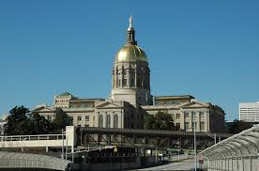
Atlanta was founded in 1836 as a railroad terminus and was first named “Terminus.” It was burned in 1864 during Sherman’s March to the Sea.
After the war, Atlanta quickly rebuilt and became the cultural and industrial center of the South. Today, its metro area exceeds 5 million people and it is home to Coca-Cola, Home Depot, CNN, and UPS.
It is the birthplace of Dr. Martin Luther King Jr. and numerous celebrities.
Tallahassee, Florida

Tallahassee was founded in 1823 as the capital of the Florida Territory. It was chosen because it was the central meeting point between Pensacola and St. Augustine.
The name “Tallahassee” roughly translates to “old fields” in the Muskogean language. Today, it is home to Florida State University and its tens of thousands of students.
Montgomery, Alabama
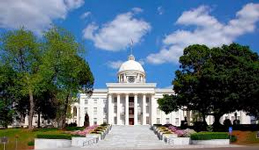
Montgomery was named after General Richard Montgomery. It was the first capital of the Confederate States of America before the government moved to Richmond.
Montgomery is best known for the 1955 Bus Boycott, sparked when Rosa Parks refused to give up her seat. The boycott, led by Dr. Martin Luther King Jr., helped strike down bus segregation laws.
Jackson, Mississippi
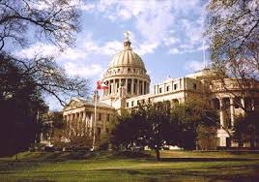
Jackson, named for Andrew Jackson, was founded in 1821 as the capital of Mississippi.
During the Civil War, Jackson was an important manufacturing center for the Confederacy and was burned and looted by Union forces under Gen. William T. Sherman.
In the civil rights era, Jackson was the site of the 1963 assassination of NAACP leader Medgar Evers.
Nashville, Tennessee

Nashville was founded as Fort Nashborough in 1779. It was named after Revolutionary War hero Francis Nash. It became capital in 1843.
In 1862, Nashville became the first Confederate state capital to fall to Union forces. Later, it became a major music center known as “Music City.”
It is home to the Grand Ole Opry, Country Music Hall of Fame, and Vanderbilt University.
Frankfort, Kentucky
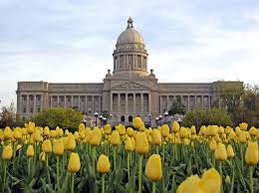
Frankfort was founded in 1786 by James Wilkinson, who bought 260 acres on the Kentucky River. It was named for Stephen Frank, a citizen killed by Native Americans at a river crossing.
Frankfort became capital in 1792 when Kentucky became a state.
Charleston, West Virginia
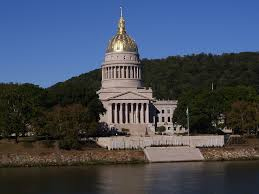
Charleston was established in 1794 and presumably named after the father of Col. Charles Clendenin, who owned the land.
It began as a salt mining center and later became known for natural gas and coal. In 1885, it became the state capital. Today, it is the largest city in West Virginia.
Columbus, Ohio
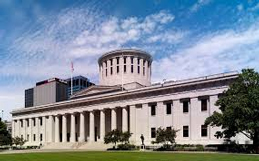
Columbus was originally called Franklinton and founded in 1797. In 1812, it was declared the capital city and renamed Columbus after the explorer.
The population boomed after connections to the Ohio and Erie Canal and the National Road. Today, Columbus is the largest city in Ohio and home to Ohio State University, one of the nation’s largest universities.
Lansing, Michigan
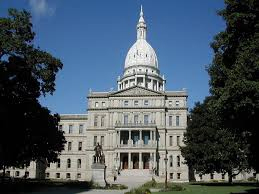
Lansing was founded in 1836 after New York land speculators bought swampy land in the area. It was named after Lansing, New York.
Detroit was Michigan’s first capital, but it was moved to Lansing in 1847 because of its central location. Later, Ransom E. Olds founded Oldsmobile there, helping the city become an auto center.
Indianapolis, Indiana
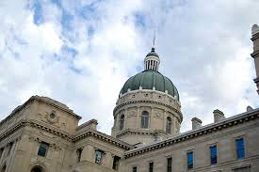
Indianapolis is the largest city and capital of Indiana. Founded in 1821 in what was then a swampy area called Fall Creek, it was planned as the state capital.
After railroads arrived in 1847, the city’s population soared. It later became a major automobile center and is home to the Indianapolis Motor Speedway and the famous Indy 500.
Today it is home to the Indiana Pacers and the Indianapolis Colts.
Springfield, Illinois
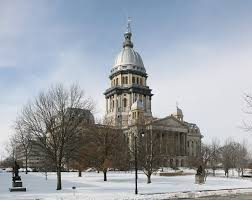
Springfield was founded in 1819 and became capital in 1837.
Much of its historical attraction centers on Abraham Lincoln, including his home, law office, presidential library and museum, and tomb at Oak Ridge Cemetery.
Madison, Wisconsin
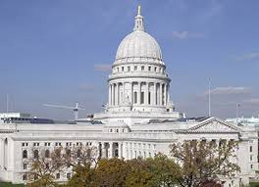
Madison was founded in 1836 by James Duane Doty, who bought 1,000 acres of swamps and forests. It was made capital in 1837 because of its central location.
In 1841, the University of Wisconsin was founded. Today, Madison is known as a thriving college town and is often ranked among the best U.S. cities to live in.
St. Paul, Minnesota
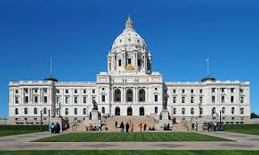
St. Paul is the capital and second largest city in Minnesota, forming the “Twin Cities” with Minneapolis.
Founded as a fur and whiskey trading center called Pig’s Eye Landing, it was renamed St. Paul after a church built in 1841. It became capital in 1849. Cartoonist Charles Schulz, creator of Peanuts, was born there.
Des Moines, Iowa

Des Moines is the capital and largest city of Iowa. It was founded in 1843 as Fort Des Moines and incorporated in 1851. It became capital in 1857.
Today, Des Moines is a major insurance and cultural center and is known for its enclosed skywalk system that connects downtown buildings.
Jefferson City, Missouri
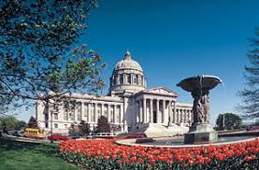
Jefferson City, on the Missouri River, was named after Thomas Jefferson and became capital of Missouri in 1821.
Its beautiful domed capitol building was completed in 1917 and houses the Missouri State Museum.
Little Rock, Arkansas
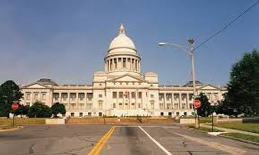
Little Rock was established in 1722 by French explorer Bernard de la Harpe, who settled near a small rock formation he named La Petite Roche.
Little Rock is best known for the 1957 Central High School integration crisis, when nine African-American students – the “Little Rock 9” – had to be protected by U.S. Army troops to enroll.
Baton Rouge, Louisiana
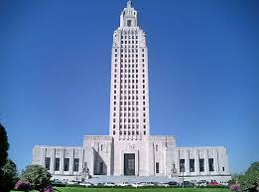
Baton Rouge is the capital of Louisiana. Its name is French for “red stick.” It became the capital in 1846, when legislators wanted to move the government away from mostly Catholic New Orleans.
Today, Baton Rouge is home to Louisiana State University, and its capitol building is the tallest in the U.S.
Austin, Texas

Austin, originally called Waterloo, was renamed in 1839 after Stephen F. Austin and made capital of the Republic of Texas.
Today, Austin is a technology and cultural hub, home to the University of Texas (one of the largest in the nation) and known for the slogan “Keep Austin Weird.”
Every year, over a million bats roost under the Congress Avenue Bridge, creating a famous evening spectacle.
Oklahoma City, Oklahoma

Oklahoma City was founded during the Land Run of 1889, when 50,000 settlers rushed to claim land. It was made capital in 1907.
In 1995, the Murrah Federal Building was bombed, killing 168 people in one of the deadliest acts of domestic terrorism in U.S. history.
Topeka, Kansas
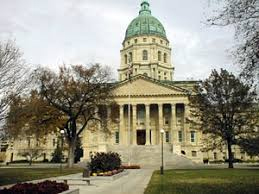
Topeka was founded in 1854 on the Kansas River and became capital in 1861 when Kansas became a state.
Topeka was the defendant in the landmark 1954 Supreme Court case Brown v. Board of Education, which declared segregated public schools unconstitutional.
Lincoln, Nebraska
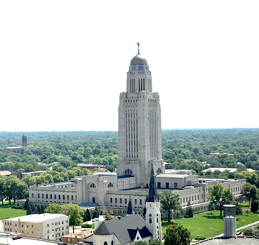
Lincoln, founded as Lancaster in 1856, was renamed Lincoln after the assassination of President Abraham Lincoln. It became capital on March 1, 1867, when Nebraska joined the Union.
Today, Lincoln is home to the University of Nebraska and is nicknamed “The Star City.”
Pierre, South Dakota
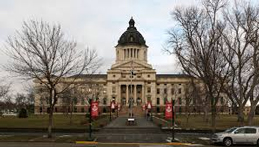
Pierre (pronounced “peer”) was declared capital in 1889. It is the second smallest capital city in the U.S.
It is home to the South Dakota Cultural Heritage Center and the Lewis and Clark Family Center.
Bismarck, North Dakota
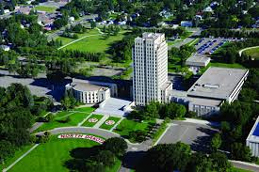
Bismarck, founded in 1872 as Camp Hancock to protect railroad workers, was renamed in honor of German chancellor Otto von Bismarck.
When gold was discovered in the nearby Black Hills, Bismarck became an important transportation center. Today it is a trade and industrial center for the region.
Helena, Montana
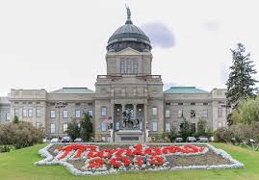
Helena was established in 1864 when gold was discovered in Last Chance Creek. It was made capital of the Montana Territory in 1875.
By 1888, Helena was full of millionaires due to the gold strikes.
Cheyenne, Wyoming

Cheyenne was founded in 1867 and named after the Cheyenne people. In 1868 it was made capital of the Wyoming Territory.
Wyoming was the first territory to grant women the right to vote, earning it the nickname “The Equality State.”
Cheyenne is known for its huge rodeo celebration, Frontier Days, held every July.
Denver, Colorado

Denver was founded in 1858 during the Pike’s Peak Gold Rush. It became capital of the Colorado Territory in 1865.
When the Denver Pacific Railroad linked to the transcontinental line in 1870, Denver became a major supply and service center for the West.
Today, Denver is a vibrant city with professional sports teams and a booming economy. It is often called “The Mile High City” because it sits at 5,280 feet above sea level.
Santa Fe, New Mexico

Santa Fe was founded in 1598 as the capital of Nuevo México, making it the second oldest settlement in the U.S.
It was the western end of the Santa Fe Trail and became capital of the state of New Mexico in 1912.
Phoenix, Arizona
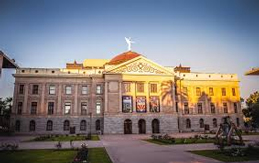
Phoenix is the largest capital city in the U.S., with over a million people. It was founded in 1868 and became capital on February 14, 1912, when Arizona became a state.
Its growth was fueled by railroads, irrigation, and the Salt River Project. Today, Phoenix is a major center for business, sports, and tourism.
Salt Lake City, Utah
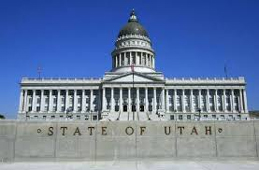
Salt Lake City was founded in 1847 by Brigham Young and members of the Church of Jesus Christ of Latter-day Saints seeking religious freedom.
It became capital of the Utah Territory in 1858. In 2002, the city hosted the Winter Olympics. Today, it is a major outdoor and skiing destination.
Boise, Idaho
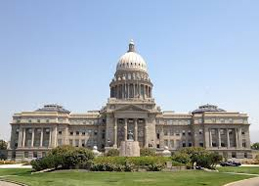
Boise was incorporated in 1854 and was made capital of the Idaho Territory. Fort Boise was established along the Oregon Trail to protect travelers.
Boise later grew with irrigation and farming and today has the largest Basque population in the U.S. The city celebrates with the Idaho Potato Drop on New Year’s Eve.
Carson City, Nevada
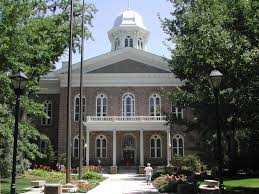
Carson City was founded during the mining boom of the 1850s–1860s and named after frontiersman Kit Carson.
Miners flooded in after the discovery of the Comstock Lode, the world’s largest silver deposit. Carson City was made capital of the Nevada Territory in 1861.
Sacramento, California

Sacramento was founded in 1848 as Sutter’s Fort and incorporated in 1850. It became the capital of California in 1855.
Sacramento boomed during the Gold Rush and later became the western terminus of both the Pony Express and the first Transcontinental Railroad.
Salem, Oregon
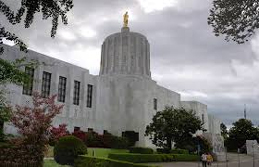
Salem is the capital and third largest city in Oregon, founded in 1840 by missionary Jason Lee. He established the Oregon Institute, later Willamette University.
Although Oregon City was the original capital, it was moved to Salem in 1851. Salem is known as the “Cherry City.”
Olympia, Washington
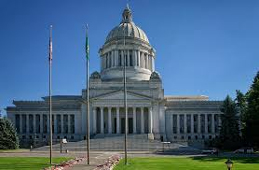
Olympia was first settled in 1848 and renamed for the nearby Olympic Mountains. When Congress created the Washington Territory in 1853, Olympia was named its capital.
Today, Olympia holds Washington’s largest Earth Day celebration, the “Procession of the Species.”
Juneau, Alaska
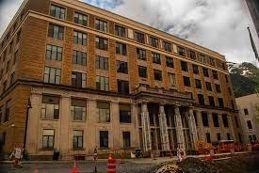
Juneau was founded in 1880 as a gold mining center and was the first town settled after the U.S. purchased Alaska from Russia in 1867.
Alaska’s capital was moved from Sitka to Juneau in 1906. Today, it is a popular cruise stop for travelers to Glacier Bay.
Honolulu, Hawaii

Honolulu is the largest city and capital of Hawaii. Its name means “sheltered bay.” After Hawaii achieved statehood in 1959, Honolulu experienced rapid growth.
It is famous for Waikiki Beach and nearby Pearl Harbor, where the USS Arizona Memorial honors sailors killed on December 7, 1941.
Scavenger Hunt: State Capitals
Choose the best answer for each question and click Submit Answers.
Answer Key – Scavenger Hunt
(This page prints after the scavenger hunt.)