The Montgomery Bus Boycott |
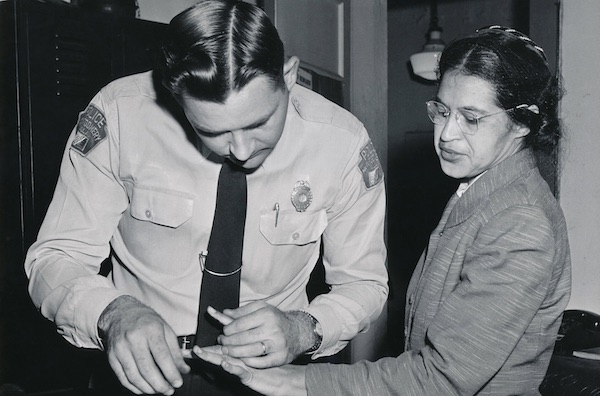
The Fingerprinting of Rosa Parks |
The Montgomery Bus Boycott, a pivotal event in the American Civil Rights Movement, unfolded in Montgomery, Alabama, from December 1955 to December 1956. Sparked by the arrest of Rosa Parks, an African American woman who refused to surrender her bus seat to a white passenger, this grassroots protest against racial segregation on public transportation marked a turning point in the fight for civil rights. The Catalyst for ChangeRosa Parks' arrest on December 1, 1955, served as a catalyst for change. The African American community, led by prominent figures like Martin Luther King Jr., responded with a powerful and sustained boycott of the Montgomery bus system. The boycott aimed at dismantling the discriminatory seating policies that relegated African Americans to the back of the bus. The Rise of KingA defining aspect of the boycott was the emergence of Martin Luther King Jr. as a prominent leader. As a young minister, King played a crucial role in organizing the Montgomery Improvement Association (MIA), which coordinated the boycott efforts. His advocacy for nonviolent resistance and civil disobedience became central to the movement, influencing future civil rights strategies. Challenges of the BoycottThe boycott showcased the resilience and determination of the African American community. Participants in the boycott endured hardship, walking miles to work, carpooling, and facing harassment. Despite these challenges, the boycott garnered widespread support and drew attention to the systemic racism inherent in segregated public transportation. Monumental ImpactIn a landmark decision on December 20, 1956, the Supreme Court ruled in Browder v. Gayle that bus segregation was unconstitutional. The successful conclusion of the boycott marked a significant legal victory and set a precedent for challenging segregation laws. The Montgomery Bus Boycott's impact extended beyond the city limits, inspiring similar protests across the nation. It ignited a spark that fueled the Civil Rights Movement, influencing subsequent actions, such as sit-ins, freedom rides, and marches. The success of the boycott demonstrated the effectiveness of nonviolent protest in challenging entrenched racial discrimination. One of the First Civil Rights VictoriesWhile the Montgomery Bus Boycott did not eradicate racism, it laid the foundation for subsequent civil rights victories. The collective effort of the African American community, guided by leaders like Rosa Parks and Martin Luther King Jr., set a powerful precedent for social and political change, challenging the status quo and inspiring generations to come. The Montgomery Bus Boycott remains a poignant chapter in the struggle for civil rights, a testament to the enduring power of collective action and the pursuit of justice. Discussion Questions
Glossary
IntroductionThe Montgomery Bus Boycott was an important event in the Civil Rights Movement. It took place in Montgomery, Alabama, from December 1955 to December 1956 and helped bring change to unfair bus laws. What Started the BoycottThe boycott began after Rosa Parks, an African American woman, was arrested for refusing to give up her bus seat to a white person. Her arrest led to a big protest led by African American leaders like Martin Luther King Jr. Martin Luther King's RoleMartin Luther King Jr. became a leader during the boycott. He helped start the Montgomery Improvement Association, which organized the protest. He believed in peaceful protest and became a major voice for civil rights. Struggles and SuccessPeople in the boycott walked, shared rides, and faced threats, but they stayed strong. Their efforts helped bring attention to racism in the bus system and across the country. Legal VictoryOn December 20, 1956, the Supreme Court ruled that bus segregation was illegal. This was a big win and encouraged more peaceful protests to fight unfair laws. Lasting ImportanceThe Montgomery Bus Boycott helped inspire more protests like sit-ins and marches. It showed that nonviolent action could bring real change and was one of the first major victories in the fight for civil rights. |