Colorado History |
|
|
|
Colorado's Early InhabitantsThe land that is now Colorado was first inhabited by Indigenous tribes, including the Ute, Arapaho, and Cheyenne nations. These groups lived off the natural resources of the land and developed deep cultural connections to the region. Exploration and SettlementIn 1803, Colorado became part of the Louisiana Territory when the United States purchased it from France. During the 19th century, explorers, trappers, and traders arrived, drawn by wildlife and natural resources. Eventually, settlers began founding towns and communities, paving the way for Colorado's development.
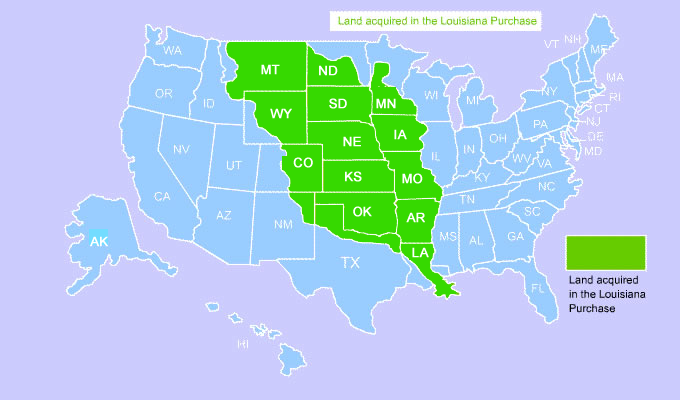
Part of Colorado was acquired in the Louisiana Purchase Mining and StatehoodThe discovery of gold, silver, and other minerals in the mid-to-late 1800s transformed Colorado. Mining towns like Central City, Leadville, and Cripple Creek grew rapidly, and Colorado achieved statehood in 1876. Agriculture and ranching also became important parts of the economy. Labor Struggles and GrowthColorado was the site of major labor conflicts, such as the Ludlow Massacre of 1914, when striking coal miners and their families were violently attacked by the National Guard. Despite such challenges, the state developed into a hub of industry and innovation throughout the 20th century.
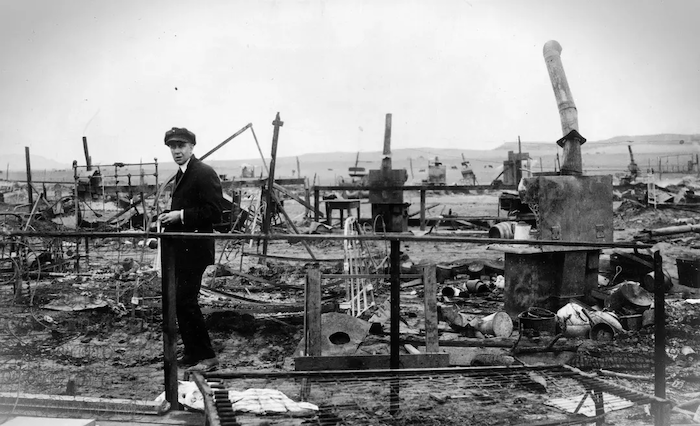
Burned remnants of a miner's camp following the Ludlow Massacre. Modern ColoradoToday, Colorado is known for its aerospace, energy, and technology industries. It is also home to top universities, research centers, and world-famous natural landmarks like Rocky Mountain National Park and the Garden of the Gods. Discussion Questions
Glossary
Timeline of Colorado History
Native Peoples and ExplorationColorado was first home to Indigenous tribes such as the Ute, Arapaho, and Cheyenne. In 1803, the land became part of the Louisiana Purchase, and soon explorers, trappers, and settlers moved in, drawn by the land’s resources. Mining and StatehoodThe mid-1800s brought gold and silver discoveries, creating boomtowns like Central City and Leadville. Colorado officially became a state in 1876. Ranching and farming also helped shape its economy. Conflict and DevelopmentIn 1914, the Ludlow Massacre highlighted labor struggles among coal miners. Despite hardships, Colorado grew into an important center for mining, ranching, and later, aerospace and technology. Modern ColoradoToday, Colorado is known for its industries, research centers, and natural landmarks such as Rocky Mountain National Park. It combines economic growth with stunning landscapes that attract visitors worldwide. |