Delaware History |
 |
Delaware's Early HistoryDelaware is one of the smallest states in the United States, but it has a long and abundant history spanning more than 300 years. The earliest inhabitants were Native American tribes, including the Lenape and Nanticoke, who lived in the area for thousands of years before Europeans arrived. European Settlement and Colonial EraThe Dutch founded a settlement in 1631, but English forces took control of the region in 1664. The English named the colony Delaware after the Delaware River and Bay, which were named for Sir Thomas West, the 3rd Baron De La Warr. Role in American IndependenceDelaware was one of the original 13 colonies to break away from Britain during the American Revolution. It gained special recognition as the first state to ratify the U.S. Constitution in 1787, earning its nickname “The First State.”
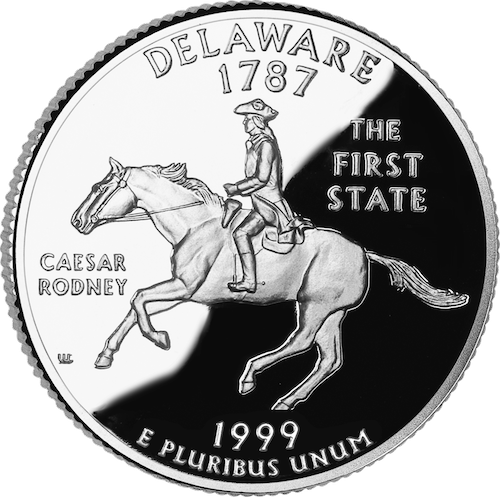
Delaware state quarter - The First State. Industrial and Economic GrowthIn the 19th century, Delaware underwent rapid industrialization, producing iron, textiles, and machinery. By the 20th century, it became a hub for corporate headquarters, hosting many Fortune 500 companies.
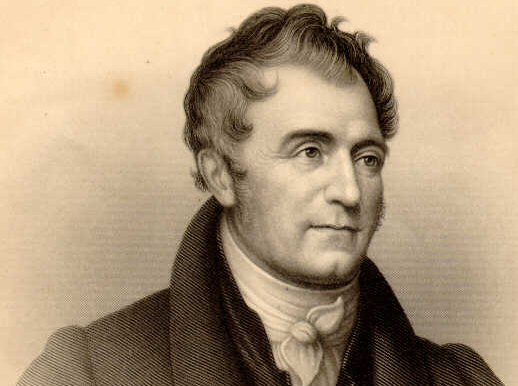
Éleuthère Irénée du Pont de Nemours - Founder of the DuPont chemical company in Delaware. Cultural Heritage and LandmarksDelaware has a deep cultural heritage, with notable historical sites like the Old State House, New Castle Court House Museum, and Zwaanendael Museum. Discussion Questions
Glossary
Timeline of Delaware History
Early History and European SettlementDelaware is one of the smallest U.S. states but has a long history. Native American tribes like the Lenape and Nanticoke lived there long before Europeans arrived. The Dutch settled in 1631, but the English took control in 1664 and named it Delaware after the Delaware River and Bay. American Revolution and StatehoodDelaware was one of the 13 colonies that declared independence and became the first state to approve the U.S. Constitution in 1787, earning its nickname “The First State.” Industry and CultureDuring the 19th century, Delaware grew as an industrial center, producing iron and textiles. In the 20th century, it became a major hub for corporations. Today, Delaware is also known for its cultural sites, like the Old State House and New Castle Court House Museum. |