Seminole Nation |
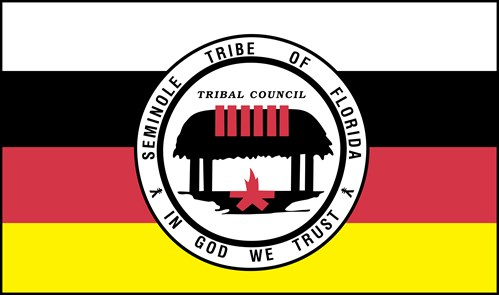
Seminole Nation Flag |
Origin of the NameThe name "Seminole" is derived from the Spanish word cimarrón, meaning "wild" or "runaway." It referred to Native Americans and escaped African slaves who fled into the wilderness of Florida during the 18th century. Over time, the term evolved into "Seminole." RangeThe Seminole originally lived in northern Florida but were later pushed into the Everglades and southern Florida during the Seminole Wars. Today, Seminole communities are located in Florida and Oklahoma. DietThe Seminole diet featured corn, beans, and squash—the “Three Sisters.” They also hunted deer, wild turkey, and small game, fished in rivers and wetlands, and, in the Everglades, ate alligator, turtles, and coontie roots. Home TypeEarly Seminole homes were log cabins or wattle-and-daub huts. In the Everglades, they created chickee huts—open-sided shelters with thatched palmetto roofs, raised on stilts to avoid flooding and pests.
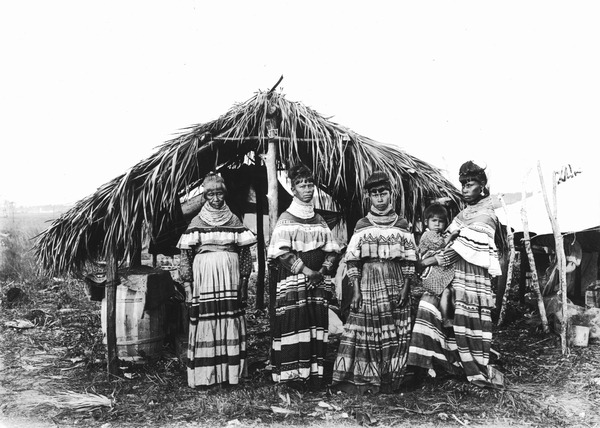
Chickee Hut - Image taken in 1916. CultureSeminole culture is famous for its colorful patchwork clothing, which became a tradition in the 19th century. They were organized into clans traced through the mother’s line (matrilineal). Their spiritual beliefs included powerful spirits and ceremonies like the Green Corn Dance, a festival of renewal and cleansing. Seminole legends include tales of the Panther and the Snake, representing the balance of life and good versus evil. They maintained a strong identity as warriors and survivors, never signing a formal peace treaty with the United States. The Legend of the Panther and the SnakeOne of the most famous Seminole legends tells of a great battle between two powerful spirits: the Panther and the Snake. The Panther ruled the forests and high lands, while the Snake controlled the waters and swamps. Both wanted to claim all the land for themselves. The two fought fiercely, shaking the earth and stirring up the waters. Their struggle created great floods and formed the wetlands of the Everglades. The Panther, strong and fierce, tried to defeat the Snake with strength, while the Snake, cunning and venomous, used stealth and poison. After a long and violent battle, neither could destroy the other. At last, they made peace. The Panther would rule the dry ground, and the Snake would rule the waters. This agreement brought balance to the land and shaped the world as the Seminole knew it. Meaning of the Legend
The Black SeminolesThe Black Seminoles were communities of African Americans, many of whom were escaped slaves, who found refuge among the Seminole people in Florida during the 18th and 19th centuries. They formed strong alliances with the tribe, adopting Seminole customs and intermarrying with them. In return for protection, Black Seminoles often acted as interpreters, farmers, and warriors. Together, they resisted U.S. forces during the Seminole Wars. Even after removal to Indian Territory (present-day Oklahoma), Black Seminoles maintained their distinct identity and later migrated to Texas and Mexico to escape re-enslavement. Their legacy reflects courage, resilience, and the blending of African and Native traditions. WarfareThe Seminole fought three wars against the U.S. government to resist removal from Florida. Using guerrilla warfare and knowledge of the Everglades, they inflicted heavy costs on U.S. troops. The Second Seminole War (1835–1842) was the most expensive Indian war in U.S. history.
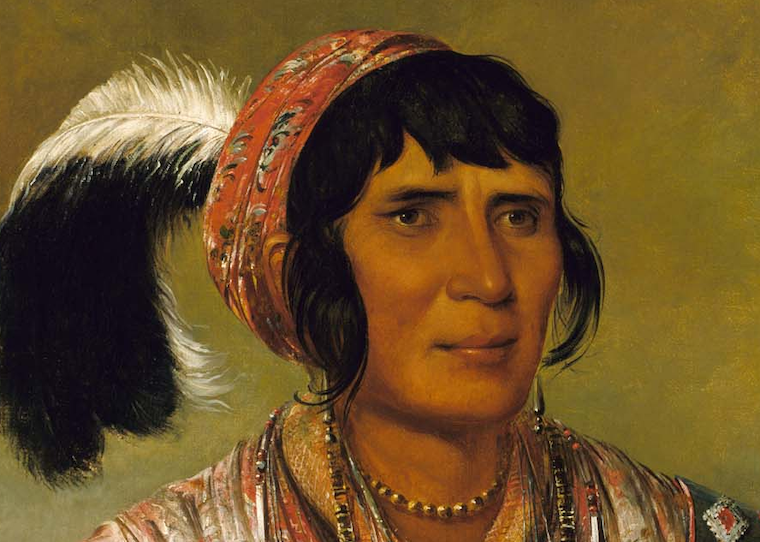
Legendary Seminole Chief Osceola History Timeline
Glossary
Four Interesting Facts
Discussion Questions
Origin of the NameThe name "Seminole" comes from the Spanish word cimarrón, meaning "wild" or "runaway." It described Native Americans and escaped African slaves who fled into Florida’s wilderness in the 1700s. RangeThe Seminole originally lived in northern Florida but moved into the Everglades during the Seminole Wars. Today, they live in Florida and Oklahoma. DietThe Seminole ate corn, beans, squash, deer, wild turkey, and fish. In the Everglades, they also ate alligator, turtles, and roots like coontie. Home TypeEarly homes were log cabins, but in the Everglades they built chickee huts—open-sided, thatched shelters on stilts. CultureThe Seminole are known for colorful patchwork clothing and a matrilineal clan system. The Green Corn Dance is an important festival of renewal. Their legends include the Panther and the Snake, symbolizing balance. WarfareThe Seminole fought three wars to resist U.S. removal. Using guerrilla tactics in the Everglades, they never fully surrendered, making them unique among tribes. |