Hawaii History |
|
|
|
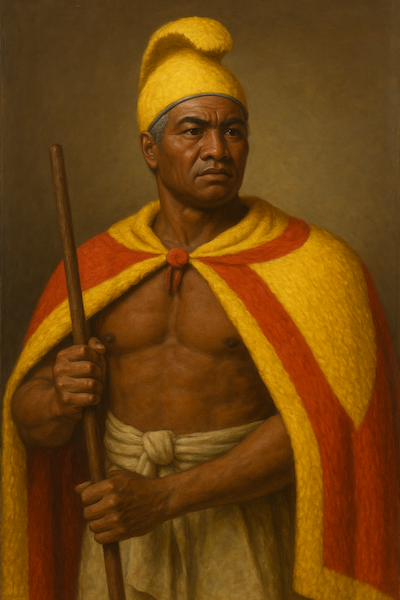
Hawaii: The Aloha StateHawaii, also known as the Aloha State, is a group of islands in the Pacific Ocean. The state has a deep cultural and political history, having been ruled by native Hawaiian monarchs, then becoming a republic, then a territory of the United States before achieving statehood. Let’s explore the fascinating history of Hawaii. Early HistoryThe first known settlers of Hawaii arrived around 400 AD, with more waves of Polynesian settlers arriving in the following centuries. The early Hawaiians developed their own unique culture, religion, and social hierarchy, with the ali‘i, or high chiefs, ruling over the different islands. The Hawaiian people developed a complex system of land use, including the ahupua‘a system of land division, which allocated resources from the mountains to the sea. The Arrival of European ExplorersIn 1778, British explorer Captain James Cook became the first European to arrive in Hawaii. Cook was followed by other explorers and traders, and over time, foreign influence began to have a significant impact on Hawaiian culture and politics. The Kingdom of HawaiiIn 1810, Kamehameha I, a warrior-king from the island of Hawaii, successfully united all of the Hawaiian islands under his rule. Kamehameha I and his descendants ruled as monarchs until the overthrow of the Hawaiian Kingdom in 1893. During this time, the Kingdom of Hawaii saw significant social, cultural, and economic changes, with the arrival of Christian missionaries, the establishment of a formal written language, and the growth of the sugar industry.
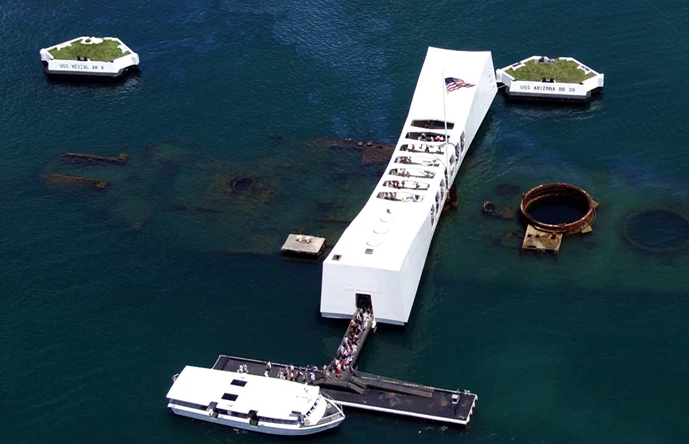
Kamehameha I Republic and AnnexationIn 1893, a group of American businessmen and politicians, with the support of the United States military, overthrew the Hawaiian monarchy and established a republic. The republic lasted until 1898, when Hawaii was annexed by the United States and became a territory. Pearl HarborOn December 7, 1941, the American military base in Pearl Harbor was bombed by Japanese fighter planes. 2,403 American servicemen were killed in the attack. Shortly after, the United States declared war on Japan, ending its neutrality in World War II.
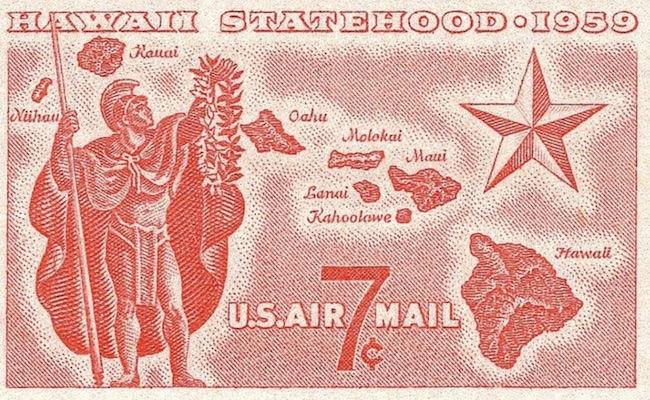
Statehood and Modern HawaiiIn 1959, Hawaii became the 50th state of the United States, and today it is known for its vibrant culture, stunning natural beauty, and diverse population. The state’s economy is driven by tourism, military spending, and a variety of other industries, including agriculture and technology. Hawaii’s unique culture, which blends indigenous Hawaiian, Asian, and Western influences, is celebrated through hula, music, cuisine, and other forms of art. The state is also home to many natural wonders, including volcanoes, beaches, and rainforests. Hawaii continues to face social and political challenges, including issues related to land use, native sovereignty, and environmental protection. Its complex past has shaped a strong community identity. Discussion Questions
Glossary
Timeline of Hawaii’s History
Hawaii, the Aloha State, is a group of Pacific islands with a deep cultural and political history. It was ruled by native monarchs before becoming a U.S. state in 1959. Early SettlersPolynesians arrived around 400 AD, creating a strong culture and system of land use called the ahupua‘a, dividing land from mountain to sea. Chiefs known as ali‘i ruled the islands. European ContactCaptain James Cook reached Hawaii in 1778, beginning a period of foreign influence that would change Hawaiian society forever. Kingdom and OverthrowKamehameha I united the islands in 1810, forming the Kingdom of Hawaii. His dynasty ruled until 1893, when U.S.-backed businessmen overthrew the monarchy. Hawaii became a U.S. territory in 1898. War and StatehoodThe 1941 attack on Pearl Harbor brought the U.S. into World War II. In 1959, Hawaii became the 50th state. Today, its economy depends on tourism, the military, and agriculture. Modern HawaiiHawaii blends Hawaiian, Asian, and Western traditions. The state celebrates hula, music, and local cuisine while addressing land, environment, and sovereignty issues that reflect its complex past. |