Michigan History |
|
|
|
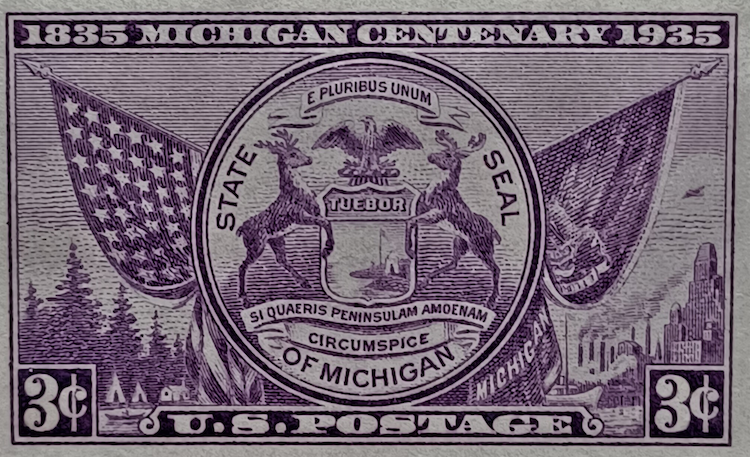
Early HistoryMichigan, a state located in the Great Lakes region of the United States, has a long and diverse history that spans thousands of years. The area that is now Michigan was originally inhabited by indigenous peoples, including the Ojibwe, Potawatomi, and Huron tribes, who relied on hunting, fishing, and agriculture to support their communities. In the 1600s and 1700s, French fur traders and missionaries explored the region and established trading posts and missions. During this time, the area became known as "Michilimackinac" and became an important center for trade between the indigenous peoples and the French. 18th Century MichiganIn 1763, the British gained control of the region as a result of the French and Indian war, and it became part of the British Province of Quebec. In 1783, the newly formed United States claimed the area as part of the Treaty of Paris. Statehood and GrowthIn the early 19th century, Michigan became a territory, and in 1837, it was admitted as the 26th state in the Union. During this time, the state experienced rapid growth as a result of immigration and the development of transportation infrastructure, including canals, roads, and railroads. The Automotive IndustryMichigan's economy was heavily dependent on the manufacturing industry, especially the automobile industry. In 1908, the Ford Motor Company was established in Detroit, and it quickly became one of the largest automobile manufacturers in the world. The automobile industry played a major role in shaping the state's economy and culture, and it continues to be a significant part of Michigan's history. Modern MichiganThroughout the 20th century, Michigan faced a number of challenges, including the Great Depression, the decline of the automobile industry, and the loss of jobs and population in Detroit. However, the state has also experienced periods of growth and renewal.
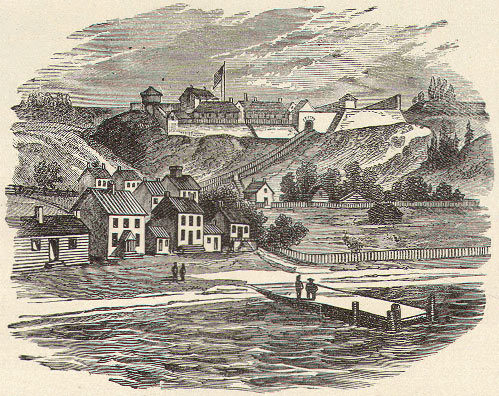
Fort Mackinac Discussion Questions
Glossary
Native Peoples and French ExplorationLong ago, Michigan was home to Native American tribes such as the Ojibwe, Potawatomi, and Huron. These tribes lived off the land by hunting, fishing, and farming. In the 1600s, French fur traders and missionaries came to the area and built trading posts. They called the region "Michilimackinac," and it became a busy place for trade with Native people. British and American ControlAfter a war between the French and British, the British took control of Michigan in 1763. Then, after the American Revolution, the United States claimed the land in 1783 through the Treaty of Paris. This marked the beginning of Michigan’s journey toward becoming a state. Becoming a StateIn the early 1800s, Michigan became a U.S. territory. It officially became the 26th state in 1837. During this time, many new people moved to Michigan, and roads, canals, and railroads helped connect the state to other parts of the country. Rise of the Auto IndustryIn 1908, Henry Ford started the Ford Motor Company in Detroit. This helped Michigan become the center of the automobile industry. Cars were built quickly and cheaply, which created many jobs and changed how people lived and worked. Challenges and ChangeMichigan faced hard times during the Great Depression and later when car factories closed. Cities like Detroit lost jobs and people. Even with these problems, Michigan has worked to rebuild and find new ways to grow and succeed. |