Minnesota History |
||
|
||
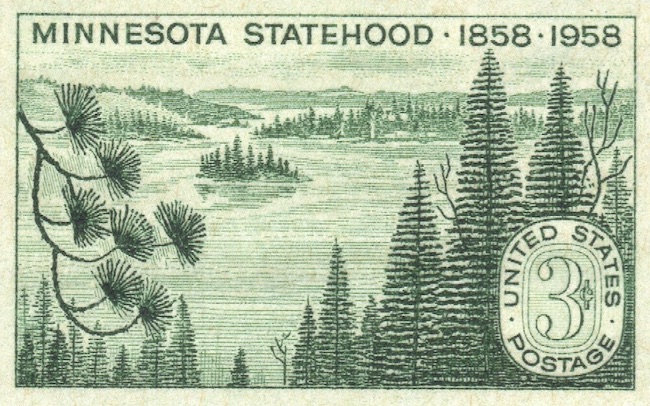
Early InhabitantsThe first humans to inhabit the area now known as Minnesota were indigenous tribes, including the Dakota and Ojibwe. These tribes thrived for centuries, hunting, fishing, and gathering wild crops from the land. European Exploration and ConflictFrench explorer Daniel Greysolon, Sieur du Lhut, arrived in the area in 1679 and claimed it for France. Over the next century, the region changed hands as France and England fought for control. In 1803, the Louisiana Purchase brought the land under U.S. control, and Fort Snelling was established in 1825. The Dakota Wars and Mankato MassacreFort Snelling played a key role in the Dakota Wars of 1862, a violent conflict between the U.S. government and Native Americans. After the war, 38 Dakota men were executed in what became known as the Mankato Massacre, ordered by President Abraham Lincoln. Statehood and the Civil WarMinnesota became the 32nd U.S. state on May 11, 1858. It contributed thousands of soldiers to the Union army during the Civil War. Industrial Growth and ProsperityDuring the late 1800s and early 1900s, settlers arrived for farmland, resources, and opportunity. Logging, milling, and iron production became major industries. Target (1902) and General Mills (1928) were both founded in Minneapolis. World War II and Minnesota NiceMinnesota played an important role in the war effort during World War II. The state also became known for "Minnesota Nice," a cultural identity focused on friendliness and strong community values. Modern MinnesotaMinnesota grew into a center for technology and innovation. The Mall of America, the largest shopping mall in the U.S., opened in Bloomington in 1992. With a population of over 5 million, Minnesota is now known for its high quality of life and cultural diversity.
Discussion Questions
Glossary
Debate TopicShould the United States offer formal apologies or reparations for historical injustices like the Mankato Massacre? Simplified VersionNative Peoples and Early SettlersBefore Minnesota became a state, the Dakota and Ojibwe tribes lived there for centuries. European explorers like Daniel Greysolon came in the 1600s and claimed the land for France. U.S. Expansion and ConflictIn 1803, the land became part of the United States through the Louisiana Purchase. The U.S. built Fort Snelling in 1825, which later played a role in the Dakota Wars of 1862. After the war, 38 Dakota men were hanged in what became known as the Mankato Massacre. Statehood and GrowthMinnesota became a state in 1858 and supported the Union during the Civil War. The state grew quickly with the help of farming, logging, and railroads. Major companies like Target and General Mills were founded here. Modern TimesDuring World War II, Minnesota helped the war effort and became known for its kind and welcoming people. Today, it has a strong economy, a diverse population, and landmarks like the Mall of America. |