The Travels of Zebulon Pike |
|
Who Was Zebulon Pike?Zebulon Pike was an American explorer and military officer best known for leading two expeditions into the western territories of the United States in the early 1800s. Born in 1779, Pike served in the U.S. Army and became an important figure in early American exploration shortly after the Louisiana Purchase. The First Expedition: Upper Mississippi River (1805–1806)Pike’s first major journey began in 1805 when he was sent to explore the northern portion of the Louisiana Territory, especially the source of the Mississippi River. Starting from St. Louis, he traveled north through what is now Minnesota. Along the way, he met with Native American tribes and negotiated for land, including the area around present-day Fort Snelling. Pike's team faced harsh winter conditions, and though he didn’t locate the true source of the river, his efforts provided valuable information about the upper Mississippi region. The Second Expedition: Southwest to the Rockies (1806–1807)In 1806, Pike led a second expedition into the southwestern part of the Louisiana Territory, heading toward present-day Colorado and New Mexico. His goal was to explore the Arkansas and Red Rivers and establish U.S. presence in the newly acquired lands. During this journey, Pike spotted and attempted to climb the now-famous mountain that bears his name—Pikes Peak. However, his team was unprepared for the conditions and turned back before reaching the summit.
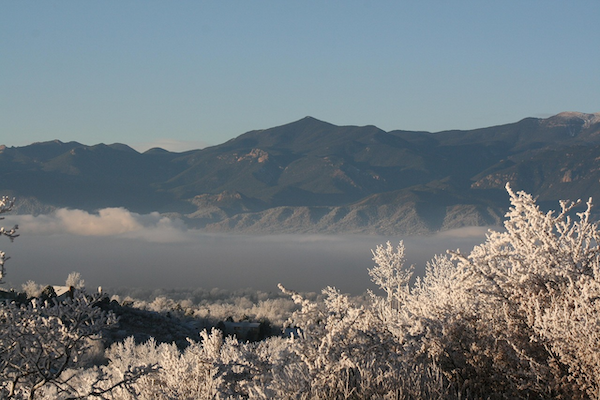
Pike's Peak, Colorado Capture and ReturnWhile traveling near the Rio Grande, Pike and his men unknowingly crossed into Spanish territory. They were arrested by Spanish soldiers and taken to Chihuahua, Mexico. Though treated well, Pike was questioned and held for several months before being returned to U.S. territory in 1807. Ironically, his detention allowed him to learn valuable information about Spanish settlements and military presence, which he recorded in secret notes. Legacy of Zebulon PikePike’s expeditions contributed significantly to American geographic knowledge of the western frontier. Though less famous than Lewis and Clark, his travels helped map unknown territories and build relations with Indigenous peoples. He died in 1813 during the War of 1812 while leading troops in battle in Canada. Today, his name lives on in places like Pikes Peak and Pike County across several states. Discussion Questions
Glossary
Who Was Zebulon Pike?Zebulon Pike was an American explorer and soldier who helped explore the western U.S. after the Louisiana Purchase. He was born in 1779 and led two important journeys to learn more about this new land. First Trip: The Mississippi RiverIn 1805, Pike went north from St. Louis to find the beginning of the Mississippi River. He traveled through Minnesota, met Native tribes, and helped the U.S. learn more about the area. Second Trip: To the Rocky MountainsIn 1806, Pike led a second trip west. He saw the mountain now called Pikes Peak but couldn’t reach the top. He and his men ended up in Spanish land and were captured but later released. Why He MattersPike helped map the American West and gave the U.S. more information about the land and the people living there. He died in battle in 1813, but his name is still remembered today. |