The Voyageurs |
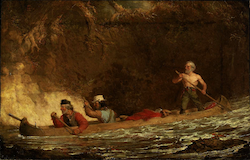
The Voyageurs - Charles Deas (1846) |
Who Were the Voyageurs?The voyageurs were French-Canadian fur traders who played a crucial role in the North American fur trade from the 1600s to the early 1800s. Their name means "travelers" in French, and they were known for paddling large canoes loaded with goods and furs across vast distances. These men were vital links between Indigenous trappers and European markets. The Fur Trade EconomyThe fur trade was one of the most important industries in early North America. European demand for beaver pelts, used in making hats, drove the need for skilled traders to carry furs from the interior of the continent to cities like Montreal and Quebec. Voyageurs transported trade goods to Indigenous nations and returned with furs in exchange. Life on the TrailVoyageurs endured extremely hard lives, often paddling up to 14 hours a day and carrying heavy loads over portages. They sang songs to stay motivated and traveled in brigades, or large teams, navigating rivers and lakes across what are now Canada and the northern United States, including Minnesota and Wisconsin. Relationship with Indigenous PeoplesVoyageurs depended heavily on Native American tribes for trade and survival. Many voyageurs married Indigenous women and formed Métis communities, creating lasting cultural ties. The voyageurs respected the knowledge of Indigenous people, who guided them through unfamiliar territory and taught them how to live off the land. The Decline of the Voyageur EraBy the mid-1800s, changes in fashion and transportation led to the decline of the fur trade. Railroads and steamboats made the long canoe routes less necessary, and the demand for beaver hats faded. However, the legacy of the voyageurs lives on in place names, stories, and festivals across the Upper Midwest and Canada. Discussion Questions
Glossary
The VoyageursVoyageurs were French-Canadian fur traders who paddled canoes across rivers and lakes in North America. They carried goods to trade with Native Americans and brought back furs like beaver pelts to sell in cities. Hard Work and TravelBeing a voyageur was very hard work. They paddled for many hours each day and carried heavy loads over land. They traveled in groups and often sang songs to keep going. Working with Native AmericansVoyageurs worked closely with Native American tribes and learned how to survive in the wilderness. Many married Native women and had children who became part of the Métis community. End of the Voyageur EraAfter the 1800s, new transportation and changing fashions made voyageurs less needed. But their stories and traditions still live on in parts of the U.S. and Canada today. |