Nebraska History |
|
|
|
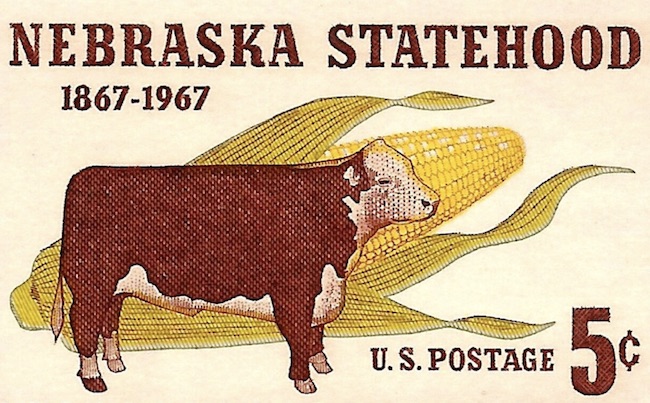
Nebraska is a state located in the Midwestern region of the United States. It is known for its expansive prairies, rolling hills, and vibrant culture. The history of Nebraska is a story of exploration, settlement, and growth. From the early Native American tribes to the arrival of European explorers, the state has seen its fair share of transformation and progress. Early Native American HistoryThe earliest inhabitants of Nebraska were various Native American tribes. These included the Pawnee, Omaha, Otoe, Ponca, and several others. These tribes lived off the land, hunting buffalo and other game, and growing crops like corn, beans, and squash. They built their homes using materials found in the environment, including grasses, bark, and sod. European Exploration and SettlementThe first European to explore Nebraska was the French explorer Étienne de Veniard, Sieur de Bourgmont, who arrived in the area in 1724. During the 1800s, Nebraska became a part of the United States, and settlers began to move into the area. The Homestead Act of 1862 provided land for people to settle in Nebraska, which led to a population boom. Statehood and GrowthNebraska became a state on March 1, 1867, becoming the 37th state in the Union. During the late 1800s and early 1900s, Nebraska experienced significant growth, with the railroad industry playing a significant role. The state became a major center for agriculture, with crops like corn, wheat, and soybeans becoming the backbone of the state's economy. In the 20th century, Nebraska continued to grow and develop, with the population reaching two million by the year 2000. The state has played an important role in the development of aviation, with the Wright Brothers making their first successful flight in Kitty Hawk, North Carolina, but then selecting a location outside of Omaha for a flight school to train pilots. During World War II, the state was home to several military bases, and it has continued to play a significant role in national defense. Modern TimesToday, Nebraska is a vibrant state with a diverse economy, including industries such as agriculture, manufacturing, and tourism. The state is also home to several major universities, including the University of Nebraska and Creighton University. Nebraska is known for its outdoor recreational opportunities, including hunting, fishing, and camping. The state also boasts several unique cultural attractions, including the world-famous Henry Doorly Zoo and Aquarium and the annual College World Series of baseball.
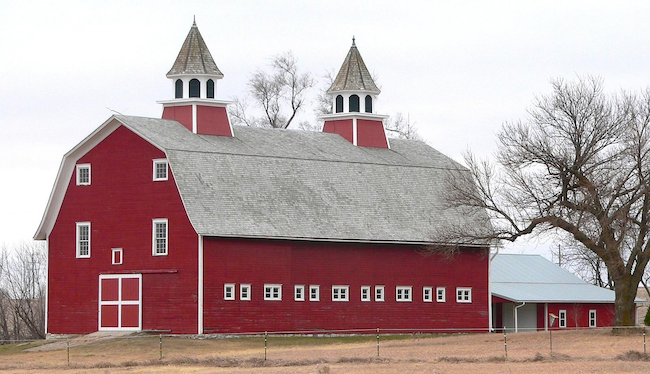
Nebraska Farm Discussion Questions
Glossary
Early Native American HistoryBefore settlers arrived, Nebraska was home to Native American tribes like the Pawnee, Omaha, Otoe, and Ponca. They hunted buffalo, grew crops like corn and beans, and built homes using natural materials from the plains. European Exploration and SettlementThe first European explorer to visit Nebraska was a Frenchman named Étienne de Veniard in 1724. In the 1800s, American settlers moved in, especially after the Homestead Act of 1862 offered free land to those willing to live and farm there. Statehood and Economic GrowthNebraska became the 37th state in 1867. Railroads helped the state grow quickly, turning it into a farming center. Crops like corn, wheat, and soybeans became very important to Nebraska’s economy. 20th Century ChangesDuring the 1900s, Nebraska continued to grow. It was home to flight training schools and military bases during World War II. The population reached about two million by the year 2000. Nebraska TodayToday, Nebraska has a strong economy with farming, factories, and tourism. It is known for its natural beauty, outdoor activities, and fun events like the College World Series. The state also has top universities and attractions like the Henry Doorly Zoo. |