Paiute Nation |
|
Example of a Paiute Flag |
|
Origin of the NameThe name Paiute is derived from the term “Pah Ute,” which translates roughly to “Water Ute.” It was a name given by neighboring tribes and early settlers. The Paiute themselves call their people “Nuwuvi” or “Numu,” meaning “the People.” Though often grouped together, there are actually two main branches: the Northern Paiute of Oregon, Nevada, and California, and the Southern Paiute of Nevada, Utah, Arizona, and California. RangeThe Paiute traditionally lived in the Great Basin region of the western United States. This vast desert and mountain area includes present-day Nevada, western Utah, southeastern Oregon, and parts of California and Arizona. They lived in small family bands, moving seasonally to follow food sources and water. DietPaiute people were skilled foragers and hunters. Their diet included seeds, nuts, berries, roots, and wild plants such as pine nuts, a staple food that was roasted or ground into flour. They hunted rabbits, rodents, birds, and sometimes deer or antelope. Fishing was also common among bands near rivers and lakes. Food was carefully preserved by drying it in the sun or storing it in woven baskets. Home TypeThe Paiute built simple, practical shelters called wickiups or brush shelters. These were dome-shaped structures made from willow branches and covered with brush, grass, or reeds. In colder mountain regions, they sometimes used layers of bark or earth for insulation. Their homes were temporary, reflecting their mobile, seasonal lifestyle. CulturePaiute culture centered around family, cooperation, and respect for nature. Each band made decisions through group discussion, often led by an elder or respected headman. Storytelling, songs, and ceremonies played an important role in passing down knowledge and spiritual beliefs.
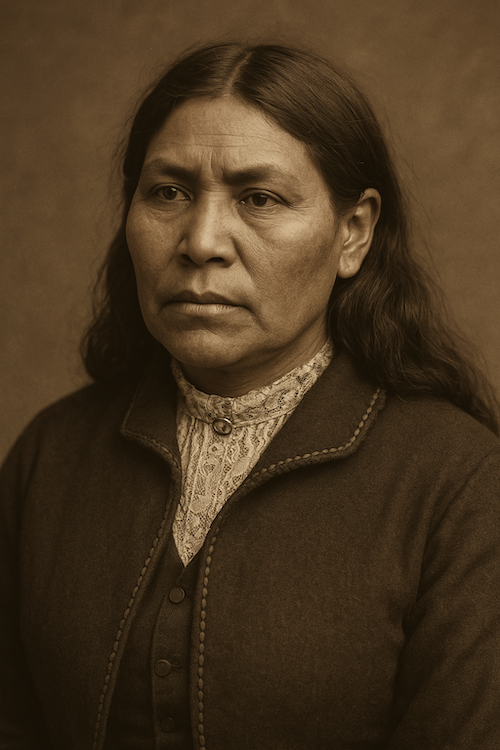
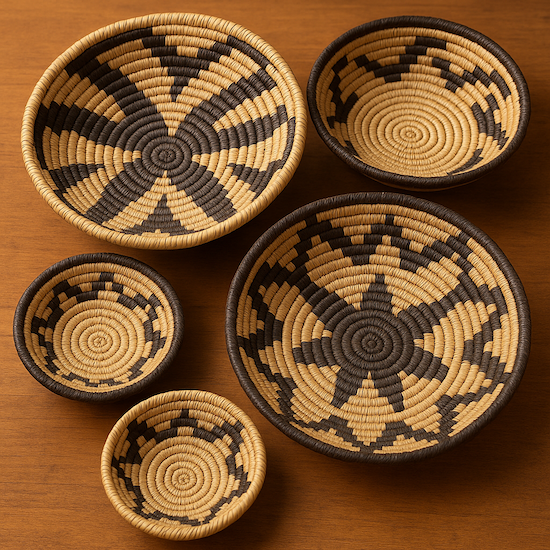
Northern Paiute leader Sarah Winnemuca Myths and Spiritual BeliefsPaiute mythology is rich with stories about creation, natural forces, and moral lessons. One of their most famous tales is the story of Coyote, a trickster figure who both helps and hinders humans. In some stories, Coyote helped shape the world and taught people how to survive; in others, his mischief served as a warning against greed or arrogance. Another important figure is Wolf, often portrayed as a wise teacher and protector. The Paiute believed that spirits lived in all things—animals, rocks, rivers, and mountains—and treated the natural world with deep respect. Crafts and ArtPaiute craftsmanship is especially known for basket weaving. Women created beautifully patterned baskets for carrying, cooking, and storage. These baskets were made from willow, sumac, and other local plants, sometimes waterproofed with pine pitch. Designs often reflected the natural environment, such as mountains, stars, or animal tracks. In later years, Paiute weavers became famous for their coiled baskets, which were sought after by collectors and museums. Other crafts included beadwork, rabbit-skin blankets, and tools made from bone and stone. Coiled BasketsPaiute coiled baskets are among the most admired examples of Native American craftsmanship. Traditionally made by Paiute women, these baskets were both practical tools and works of art. Using natural materials such as willow, sumac, and desert grasses, artisans tightly coiled and stitched each strand with remarkable precision. The baskets were used for gathering seeds, storing food, and carrying water—often sealed with pine pitch to make them watertight. Over time, the designs became more intricate, featuring patterns that represented mountains, stars, and animals from Paiute life. The colors were achieved with natural dyes from roots, berries, and minerals. Beyond their beauty, these baskets symbolized family ties, skill passed down through generations, and the Paiute people’s deep connection to the land.
Depiction of coiled baskets The Ghost Dance ReligionThe Ghost Dance religion began among the Northern Paiute people in the late 1800s, founded by a spiritual leader named Wovoka (also known as Jack Wilson). During a solar eclipse in 1889, Wovoka had a vision that promised a renewal of the world—one where Native peoples would live peacefully, free from hunger and suffering, and the ancestors would return to the earth. He taught that by living honestly, avoiding violence, and performing a special circle dance called the Ghost Dance, this renewal could be achieved. The movement spread rapidly across many tribes of the West, each adapting it to their own traditions. For the Paiute, the Ghost Dance was not just a religious act but a symbol of hope and unity during a time of great loss, as settlers and government forces continued to take their lands. Though U.S. authorities later suppressed the movement, the Ghost Dance remains a powerful reminder of faith, resilience, and the Paiute belief in spiritual renewal. WarfareThe Paiute were generally a peaceful people, preferring trade and diplomacy to conflict. However, they defended their land and resources when threatened. In the 19th century, tensions with settlers led to several violent clashes, including the Pyramid Lake War in 1860. Despite being outnumbered and outgunned, Paiute warriors used their knowledge of the terrain to mount effective resistance. Later conflicts often arose as settlers and miners took water sources and hunting grounds vital to Paiute survival. History Timeline
Discussion Questions
Origin of the NameThe name Paiute comes from “Pah Ute,” meaning “Water Ute.” The Paiute call themselves “Numu” or “Nuwuvi,” which means “the People.” There are two main groups — the Northern Paiute and the Southern Paiute — who lived across different parts of the western United States. RangeThe Paiute lived in the Great Basin, an area that includes Nevada, Utah, Oregon, and parts of California and Arizona. They moved with the seasons to find food and water, living in small family groups. DietPaiute people gathered seeds, nuts, roots, and berries and hunted rabbits, birds, and deer. They especially loved pine nuts, which they roasted or ground into flour. Those near lakes and rivers also caught fish. They dried food for storage during the winter. Home TypeTheir homes were small wickiups made from willow branches and covered with brush or grass. These homes were easy to build and move, which fit their traveling lifestyle. CultureFamily and cooperation were very important in Paiute life. They shared stories and songs that taught lessons about nature and respect. They believed all living things had spirits, including animals, plants, and rocks. Myths and StoriesA well-known character in Paiute stories is Coyote, a trickster who sometimes helped humans and sometimes caused trouble. These stories taught children about right and wrong and how to live wisely. CraftsPaiute women were famous for basket weaving. They made beautiful coiled baskets from willow and grasses, used for cooking, carrying, and storing food. Many designs showed patterns from nature, like mountains or stars. They also made blankets from rabbit skins and beads from shells or stones. WarfareThe Paiute were mostly peaceful, but they defended their land when needed. One major conflict was the Pyramid Lake War of 1860, caused by settlers taking Paiute land and water. Despite hardships, they survived and kept their traditions alive. History Timeline
Discussion Questions
|