The Comstock Lode and Nevada Silver Rush |
|
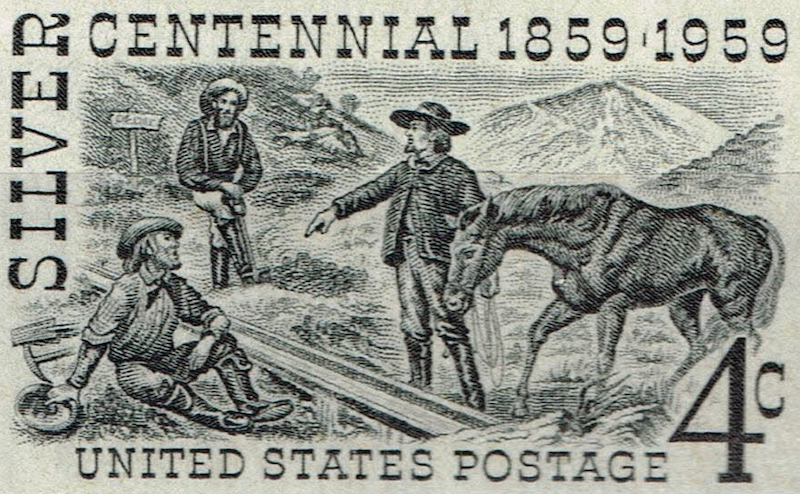
Comstock Lode Stamp |
|
IntroductionThe Nevada Silver Rush emerged from a combination of westward expansion, economic opportunity, and new technology. After the California Gold Rush of 1849, thousands of prospectors moved westward in search of new mineral wealth. Stories of immense riches hidden beneath Nevada’s rocky hills drew fortune seekers hoping to strike it rich. The Comstock LodeIn the early 1850s, prospectors began exploring Nevada’s remote valleys and mountains. Their efforts paid off in 1859 with the discovery of the Comstock Lode, one of the richest silver deposits in history. Two prospectors, Peter O'Riley and Patrick McLaughlin, found silver ore while searching for gold near present-day Virginia City. The news spread rapidly, attracting miners, merchants, and investors from across the country. Overnight, towns like Virginia City, Gold Hill, and Silver City grew into busy centers filled with miners working day and night to extract silver from the earth.
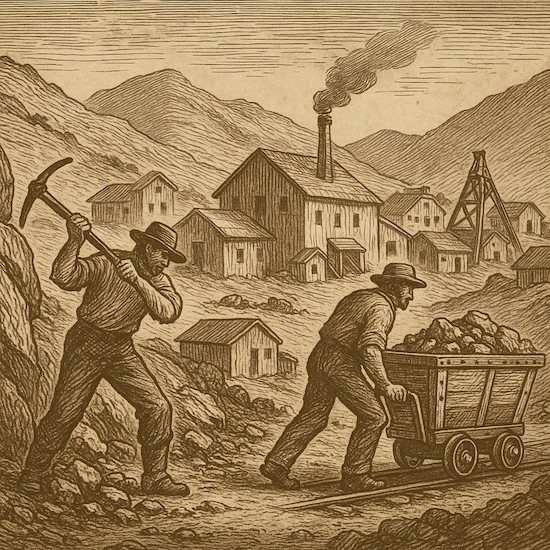
Depiction of Nevada Miners Incredible RichesThe Comstock Lode produced millions of dollars’ worth of silver, sparking intense competition and speculation. Mining companies were quickly formed, investors poured in, and great fortunes were made. The Nevada Silver Rush became one of the most profitable mining booms in American history. Development of the WestThe effects of the silver rush extended far beyond Nevada’s mines. The surge of wealth and settlers encouraged rapid economic growth. New towns and cities developed, railroads expanded, and industries flourished. The boom also helped Nevada gain statehood in 1864, becoming the 36th state. The rush played a major role in shaping the political, economic, and social development of the American West by bringing order, organization, and infrastructure to the region. The Mines Were EmptiedBy the late 1800s, the richest silver veins were depleted. Many mines closed, and once-thriving towns turned into ghost towns. The Nevada Silver Rush, like other boom-and-bust cycles, eventually ended, leaving behind a legacy of both great wealth and loss. Discussion Questions
Glossary
Five Interesting Facts
Timeline of the Nevada Silver Rush
Most Well-Known Quote“The great silver lode of Nevada was the treasure that built the West.” — Common saying reflecting the Comstock era The Comstock LodeIn the early 1850s, prospectors searched Nevada’s mountains for precious metals. In 1859, two miners, Peter O'Riley and Patrick McLaughlin, discovered the Comstock Lode near Virginia City. This was one of the richest silver finds in history. News spread quickly, bringing people from across the country to Nevada. Towns like Virginia City, Gold Hill, and Silver City sprang up almost overnight. These boomtowns filled with miners, businesses, and families hoping to share in the riches. Wealth and GrowthThe Comstock Lode produced millions of dollars in silver and attracted investors from everywhere. Mining companies formed, and many people made fortunes. The silver rush helped Nevada grow rapidly. Railroads, new towns, and industries developed to support the population. The success of the silver mines even helped Nevada become the 36th state in 1864. Decline of the Silver RushLike many mining booms, the Nevada Silver Rush did not last forever. By the late 1800s, most of the silver had been mined, and many towns were abandoned. Once-busy streets became empty, and businesses closed. Even though the rush ended, it left behind an important legacy. The Nevada Silver Rush helped shape the economy, technology, and communities of the American West. |