Nevada History |
|
|
|
Native PeoplesLong before Nevada became a U.S. state, the land was home to the Paiute, Shoshone, and Washoe tribes. These native peoples thrived in the harsh desert environment, developing complex communities, trade systems, and a deep understanding of the region’s plants and animals. Their traditions and ways of life shaped Nevada’s early human history for thousands of years. European ExplorationSpanish explorers first reached the area in the 16th century, claiming the land for Spain. However, few Europeans settled there until the 1800s, when American explorers and pioneers began moving west in search of new opportunities and resources. The Gold RushThe discovery of gold and silver in 1859 brought a flood of miners and settlers. The famous Comstock Lode near Virginia City made Nevada a center for mining activity. This boom attracted thousands seeking fortune, transforming small settlements into thriving communities and laying the foundation for Nevada’s economic growth.
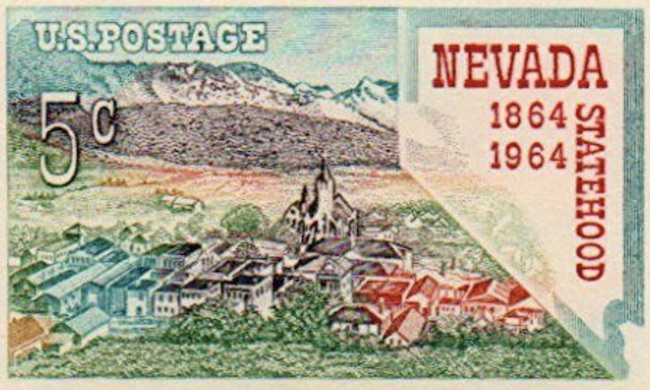
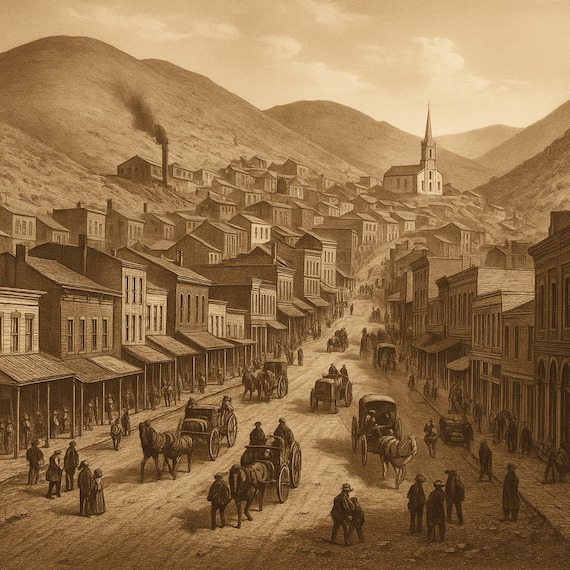
A depiction of Virginia City during the Silver Rush. StatehoodNevada became the 36th state in 1864 during the Civil War. The Union welcomed Nevada because of its mineral wealth and loyalty. Even though it had a small population, Nevada’s statehood played a symbolic and strategic role in supporting the Union cause.
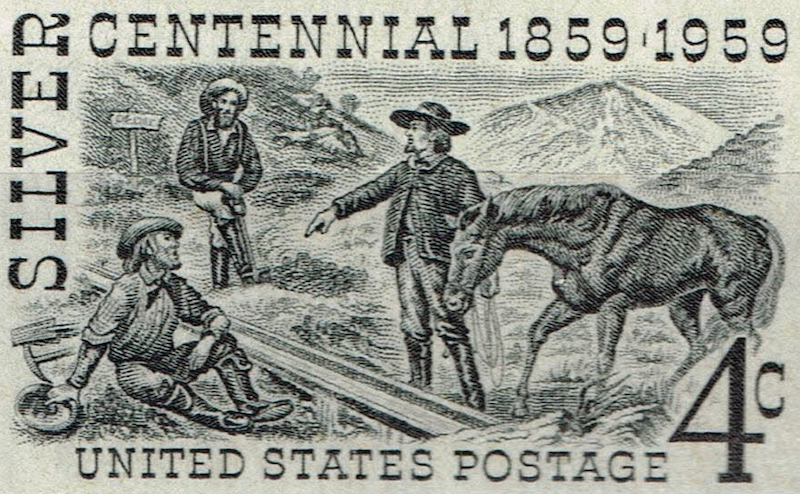
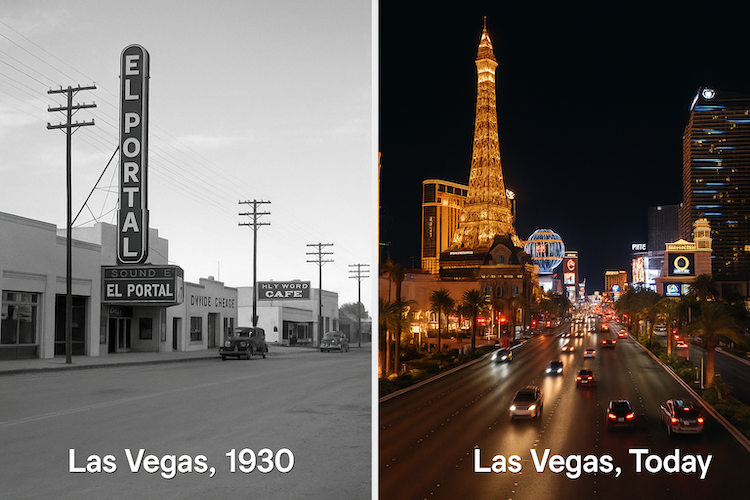
Postage stamp commemorating the discovery of the Comstock Lode. Gambling and TourismIn 1931, Nevada legalized gambling, sparking a new economic era. Las Vegas grew into a world-famous city known for its bright lights, casinos, and entertainment. By the mid-20th century, tourism had become the main driver of the state’s economy, drawing millions of visitors each year.
Modern NevadaToday, Nevada’s economy is diverse, including tourism, mining, technology, and renewable energy. With over three million residents, it is one of America’s fastest-growing states. Natural attractions such as Lake Tahoe and Red Rock Canyon highlight Nevada’s enduring beauty and environmental significance. Discussion Questions
Glossary
Timeline of Nevada’s History
Early NevadaBefore Nevada became a state, it was home to the Paiute, Shoshone, and Washoe tribes, who lived successfully in the desert by trading and using natural resources wisely. Spanish explorers arrived in the 1500s, but few Europeans settled until the 1800s. The Mining BoomIn 1859, gold and silver discoveries, especially the Comstock Lode, brought miners and settlers. Nevada’s population grew quickly, and towns like Virginia City appeared almost overnight. Becoming a StateNevada joined the Union in 1864 during the Civil War, thanks to its mineral wealth and support for the North. Though small in population, it became the 36th state. Gambling and GrowthGambling became legal in 1931, transforming Nevada’s economy. Las Vegas rose to fame for its casinos and entertainment, turning tourism into the state’s main industry. Modern TimesToday, Nevada has over three million residents and a diverse economy that includes tourism, mining, and renewable energy. Its stunning natural landmarks, like Lake Tahoe and Red Rock Canyon, continue to attract visitors from around the world. |