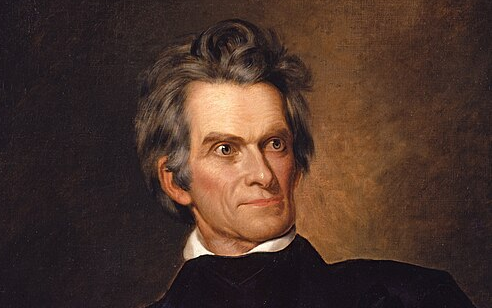
John C. Calhoun |
|
Early LifeJohn Caldwell Calhoun was born on March 18, 1782, in Abbeville, South Carolina. He grew up in a farming family of Scotch-Irish descent. Calhoun attended local schools and later studied at Yale College, graduating in 1804. Afterward, he studied law and began practicing as a lawyer in South Carolina. Political CareerCalhoun entered politics in 1808 and quickly became influential. He served in the U.S. House of Representatives and gained attention for his strong support of the War of 1812. Later, he became Secretary of War under President James Monroe. In 1824, Calhoun was elected Vice President of the United States, serving under both John Quincy Adams and Andrew Jackson. Beliefs and Nullification CrisisCalhoun is best known for his defense of states’ rights and slavery. He believed that each state had the power to nullify, or reject, federal laws it found unconstitutional. This idea became central during the Nullification Crisis of the early 1830s when South Carolina opposed federal tariffs. Calhoun resigned as Vice President in 1832 to fight for his state’s position.
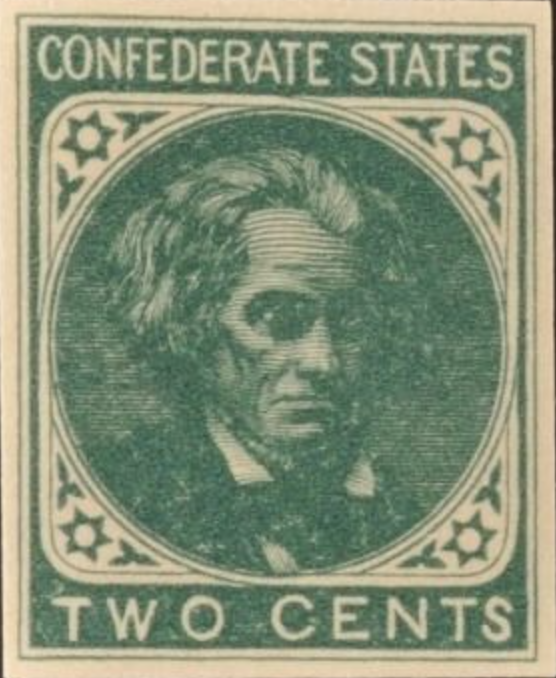
John C. Calhoun Confederate Postage Stamp Later Life and LegacyCalhoun continued to serve in the U.S. Senate and as Secretary of State under President John Tyler. He strongly defended slavery as a “positive good,” which made him a leading voice for the South before the Civil War. He died on March 31, 1850, in Washington, D.C., just over a decade before the war began. Calhoun remains a controversial figure in American history for his role in promoting states’ rights and slavery. Discussion Questions
Glossary
Five Interesting Facts
Timeline
Early LifeJohn C. Calhoun was born on March 18, 1782, in South Carolina. He grew up on a farm and later graduated from Yale College in 1804. After studying law, he started working as a lawyer. Political CareerCalhoun began his political career in 1808 and became known for supporting the War of 1812. He served as Secretary of War and later as Vice President under two presidents: John Quincy Adams and Andrew Jackson. Beliefs and LegacyCalhoun believed in states’ rights and supported nullification, the idea that states could reject federal laws. He also defended slavery, calling it a “positive good.” These beliefs made him a leading Southern voice before the Civil War. Calhoun died on March 31, 1850, in Washington, D.C. |