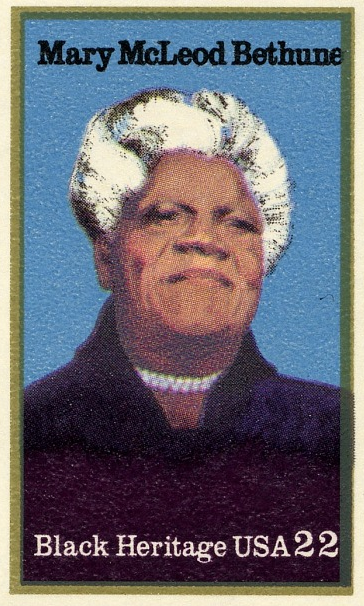
Mary McLeod Bethune |
|
Early LifeMary McLeod Bethune was born on July 10, 1875, in Mayesville, South Carolina. She was the 15th of 17 children in a family of former slaves. Even though her family was poor, they valued education. Mary walked several miles each day to attend a one-room school, where she quickly learned to read and write. Education became her passion, and she believed it could change lives. Education and CareerMary attended Scotia Seminary in North Carolina and then Moody Bible Institute in Chicago. She dreamed of becoming a missionary in Africa, but that dream didn’t come true. Instead, she became an educator in the United States. In 1904, she started the Daytona Educational and Industrial School for Negro Girls in Florida. The school began with only five students and little money, but it grew into Bethune-Cookman University. Leadership and ActivismBethune worked hard to improve the lives of African Americans, especially women and children. She founded the National Council of Negro Women in 1935 to fight for equality and opportunities. She believed in the power of women to lead and make change. Her leadership gained national attention, and she became a trusted advisor to President Franklin D. Roosevelt. Government Service and LegacyDuring the 1930s and 1940s, Mary served as an advisor in the Roosevelt administration. She worked on programs to help African Americans during the Great Depression and supported civil rights. People called her “The First Lady of the Struggle” because of her fight for justice and education. Mary McLeod Bethune died on May 18, 1955, but her legacy lives on in schools, programs, and organizations named after her. Discussion Questions
Glossary
Interesting Facts
Timeline
Early LifeMary McLeod Bethune was born in 1875 in South Carolina to parents who were former slaves. She was the 15th of 17 children. Her family was poor, but they valued education. Mary loved school and walked miles each day to attend classes. She quickly learned to read and write, which became her passion. Education and TeachingMary studied at Scotia Seminary and Moody Bible Institute. She wanted to be a missionary in Africa, but instead became a teacher in the United States. In 1904, she opened a small school for African American girls in Florida with just $1.50. Over time, it grew into Bethune-Cookman University. Leadership and LegacyBethune worked to improve life for African Americans. In 1935, she started the National Council of Negro Women to support equality and opportunity. She also advised President Franklin D. Roosevelt on programs to help African Americans during the Great Depression. People called her “The First Lady of the Struggle.” Mary McLeod Bethune died in 1955, but her work in education and civil rights continues to inspire people today. |
| Mary McLeod Bethune Activities |
|