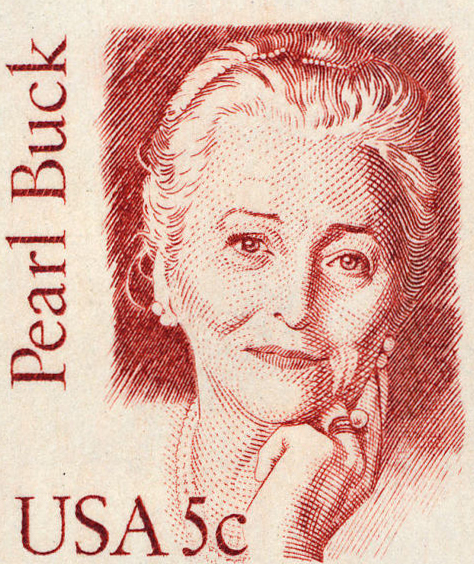
Pearl Buck |
|
|
|
Pearl Buck: Voice Between Two WorldsPearl Sydenstricker Buck was born on June 26, 1892, in Hillsboro, West Virginia. When she was just a few months old, her parents moved to China, where they worked as Christian missionaries. Growing up in China, Pearl became fluent in both English and Chinese. This unique childhood gave her a deep understanding of both cultures, which would later shape her writing. Life in ChinaAs a child, Pearl experienced life in a traditional Chinese village. She witnessed poverty, natural disasters, and social changes. These experiences inspired her to write stories about Chinese peasants and their struggles. After attending college in the United States, she returned to China to teach and later married John Lossing Buck, an agricultural economist. The couple lived and worked among Chinese farmers, which gave Pearl even more insight into rural life. Literary SuccessIn 1931, Pearl published her most famous novel, The Good Earth. The book told the story of Wang Lung, a poor Chinese farmer, and his family’s life through hardship and change. It won the Pulitzer Prize in 1932 and made Buck one of the most popular writers in America. Her writing helped many Western readers understand and appreciate Chinese culture for the first time. Recognition and Later LifeIn 1938, Pearl Buck became the first American woman to win the Nobel Prize in Literature for her rich and human portrayals of Chinese peasant life. Later, she focused on humanitarian work, especially for children. She founded organizations to help Asian and mixed-race orphans, including the Pearl S. Buck Foundation. She continued to write novels, essays, and stories until her death in 1973. Discussion Questions
Glossary
Five Interesting Facts
Timeline
Pearl Buck: Voice Between Two WorldsPearl Sydenstricker Buck was born on June 26, 1892, in Hillsboro, West Virginia. Her family moved to China when she was an infant because her parents were Christian missionaries. Growing up, Pearl learned both English and Chinese and became familiar with both cultures. This unique experience greatly influenced her later writing. Life in ChinaAs a child, Pearl saw how ordinary Chinese people lived. She witnessed poverty, hard work, and family loyalty. After college in the United States, she returned to China to teach and later married John Lossing Buck, an agricultural expert. Living among Chinese farmers gave her the inspiration and knowledge she needed to write about rural life with honesty and care. Literary SuccessIn 1931, Pearl published her famous novel, The Good Earth, which tells the story of a Chinese farmer and his family’s struggles. The book became a huge success and won the Pulitzer Prize in 1932. It helped many Americans understand Chinese culture better and showed how deeply connected people are to the land and to family. Recognition and Later LifeIn 1938, Pearl Buck became the first American woman to win the Nobel Prize in Literature for her powerful stories about China. Later in life, she focused on helping children and families in need, founding the Pearl S. Buck Foundation. She wrote more than 100 books and continued to promote understanding between cultures until her death in 1973. |