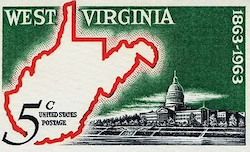
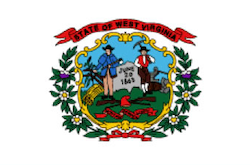
West Virginia was formed in 1863 when it separated from Virginia during the Civil War to remain loyal to the Union. The state became known for its coal mining industry and its role in shaping America’s labor movement.
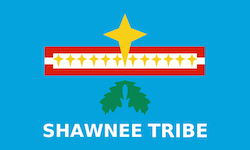
The Shawnee Nation is a Native American tribe originally located in the Ohio Valley region, known for their skilled diplomacy and resistance against colonial expansion. Today, Shawnee communities primarily reside in Oklahoma, preserving their language, culture, and traditions.
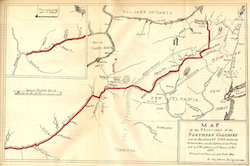
The Treaty of Fort Stanwix was a treaty signed on November 5, 1768, between representatives of the British Crown and the Iroquois Confederacy, which established a boundary line between British colonial settlements and Indian lands in what is now western New York state.
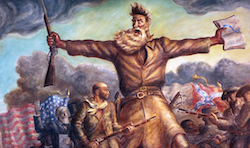
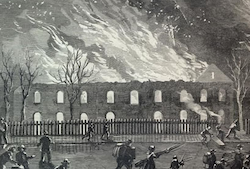
John Brown's 1859 raid on the federal arsenal at Harpers Ferry was an attempt to spark a slave rebellion and directly challenged the institution of slavery. His violent actions and execution deepened the divide between North and South, convincing many Southerners that abolitionists would stop at nothing, helping to push the nation closer to civil war.
The Battle of Harper’s Ferry, fought in September 1862, resulted in a swift Confederate victory as General Stonewall Jackson surrounded the town with artillery and launched a coordinated assault. Poor Union defenses and leadership led to the largest surrender of Union troops during the Civil War, with nearly 12,000 soldiers captured.
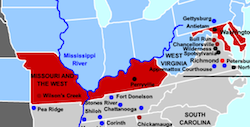
During the Civil War, Virginia split when the western region opposed secession from the United States and chose to remain loyal to the Union. This led to the creation of West Virginia, which became a separate state on June 20, 1863.
The Border States—Delaware, Maryland, Kentucky, and Missouri—were crucial to the Civil War because they provided vital resources, strategic locations, and large populations with divided loyalties. Their decision to remain in the Union helped prevent the Confederacy from gaining a significant military and political advantage.