West Virginia History |
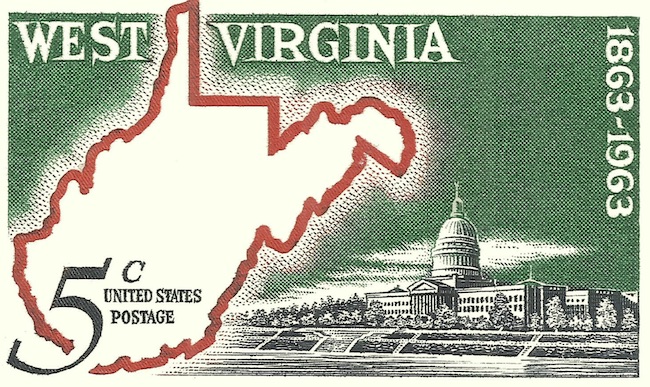 |
West Virginia: From the Mountains to StatehoodWest Virginia is located in the Appalachian region of the United States. It has a deep and diverse history that spans over two centuries, from its beginnings as part of the Virginia Colony to its vital role in the American Civil War and the industrial revolution. Early Inhabitants and European SettlementBefore European settlers arrived, the land that is now West Virginia was home to Native American tribes such as the Shawnee and Delaware. These tribes built complex societies and traded widely across the region. Their way of life changed dramatically when European settlers moved into the area in the late 1700s. Industry and the Path to StatehoodIn the early 1800s, West Virginia became known for its coal and salt industries, attracting new settlers and workers. When the Civil War began in 1861, the region was deeply divided. Many people in western Virginia supported the Union, while others sided with the Confederacy. The citizens of the western region, long feeling neglected by leaders in Richmond, opposed secession and formed their own “Loyal Government of Virginia.” Their opposition to slavery and secession helped pave the way for statehood. President Abraham Lincoln approved their request in 1862, and West Virginia officially became a state on June 20, 1863.
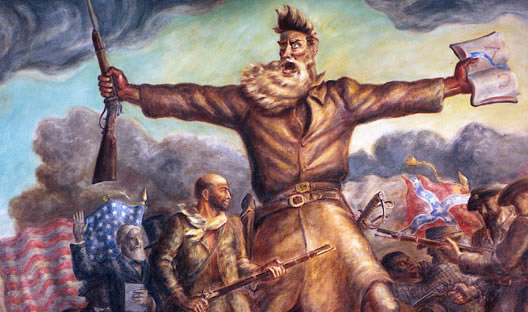
The John Brown Rebellion was a major cause of the Civil War. It occurred in Harper's Ferry, Virginia, in 1859. Four years later, Harper's Ferry was part of West Virginia when President Lincoln made it a state. Reconstruction and Industrial GrowthAfter the Civil War, West Virginia entered the Reconstruction era, rebuilding its economy and society while expanding the rights of freed African Americans. By the late 1800s and early 1900s, the state became a major center for coal mining and manufacturing. Its hills also echoed with music, as Appalachian folk and early country music began to take shape. Labor Movements and Modern IdentityIn the 20th century, West Virginia played a crucial role in the labor movement, with miners leading strikes for better wages and safer conditions. Today, the state remains proud of its cultural heritage, mountain traditions, and artistic contributions to America’s story.
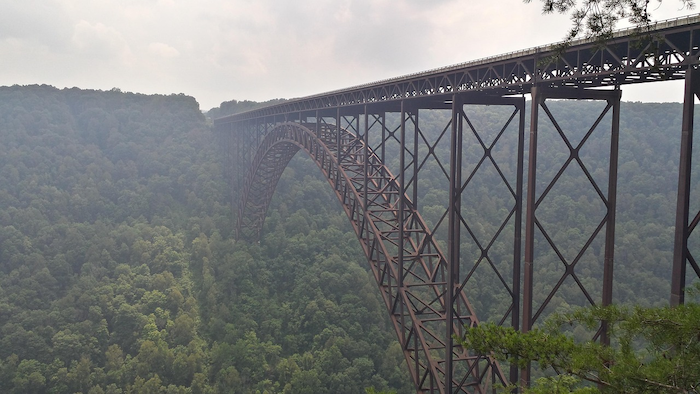
New River Gorge recently became West Virginia's first national park. Discussion Questions
Glossary
West Virginia Historical Timeline
West Virginia: A Mountain State with a Deep HistoryWest Virginia lies in the Appalachian Mountains and has a long, diverse history. Before Europeans arrived, Native American tribes like the Shawnee and Delaware lived there, trading and farming across the land. In the late 1700s, settlers began moving into the region, changing life for the native tribes. Industry and the Civil WarDuring the early 1800s, coal and salt industries made the area an industrial center. When the Civil War began, western Virginians were divided. Many supported the Union and opposed slavery, while others supported the Confederacy. Feeling ignored by Virginia’s government, the western citizens created the “Loyal Government of Virginia.” With President Lincoln’s approval, West Virginia became a state on June 20, 1863. Rebuilding and Economic GrowthAfter the war, West Virginia rebuilt and became a leader in coal mining and manufacturing. Appalachian folk and country music grew popular during this time, spreading across the nation and shaping American music. Labor Struggles and Modern IdentityIn the 1900s, miners led labor strikes to demand better working conditions and pay. These movements helped improve worker rights across the country. Today, West Virginia remains proud of its strong traditions, mountain culture, and creative spirit that continue to influence American life. |