Wisconsin History |
|
|
|
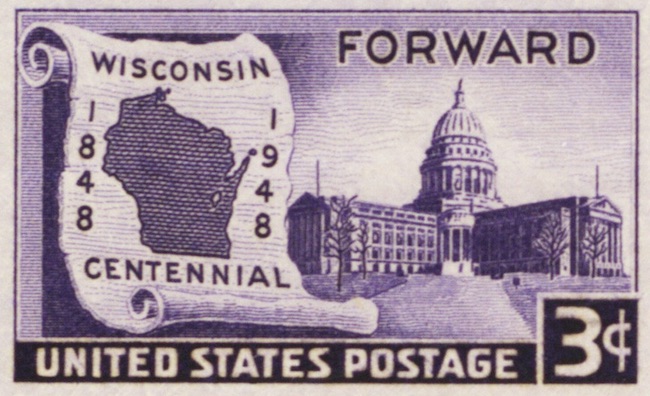
Early European Contact and SettlementThe first recorded European contact with what is now Wisconsin occurred in 1634, when French explorer Jean Nicolet arrived in Green Bay. Green Bay would become the first permanent settlement in the state in 1745. Over the next few centuries, the area was primarily settled by French fur traders, and in the late 1700s, European-American settlers began to arrive. Wisconsin officially became the 30th state in the United States in 1848. In 1854, the Republican Party was founded in Ripon, Wisconsin. The fledgling political party would rise to power with the election of Abraham Lincoln as president in 1860. The Civil War and Agricultural ShiftsDuring the American Civil War, Wisconsin was an important Union state, sending over 90,000 soldiers to fight for the North. Following the war, and with the decline of the state’s wheat industry, farmers in Wisconsin turned to dairy farming. By 1900, the state was the nation’s leading producer of dairy products, including cheese, for which it would become famous. To this day, the state is still referred to as America’s Dairyland. Furthermore, the state’s large population of German immigrants helped make Wisconsin, and particularly Milwaukee, one of the nation’s leading producers of beer.
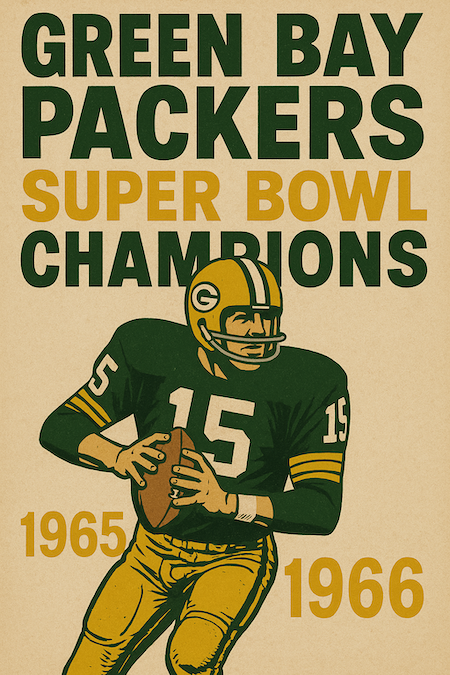
Progressive Era and Labor MovementsThe state also played a significant role in the Progressive movement of the late 19th and early 20th centuries, enacting a number of reforms aimed at improving the lives of workers and protecting the environment. In the early 20th century, Wisconsin became a hub of union activity, with thousands of workers striking and organizing to demand better wages and working conditions. In 1965 and 1966, the Green Bay Packers football team won the first two Super Bowls.
Recent Political DevelopmentsIn recent decades, Wisconsin has continued to be at the forefront of important political and economic issues. In 2011, Governor Scott Walker's controversial collective bargaining reforms sparked massive protests and nationwide attention, while in 2018, the state elected its first female governor, Tony Evers. Discussion Questions
Glossary
Early European ContactThe first European to visit what is now Wisconsin was French explorer Jean Nicolet in 1634. He arrived in the area of Green Bay, which became the first permanent settlement in 1745. French fur traders were the main settlers for many years, followed later by European-American settlers in the late 1700s. Becoming a State and Political ImportanceWisconsin became the 30th state in 1848. In 1854, the Republican Party was founded in the town of Ripon. This party gained national power when Abraham Lincoln was elected president in 1860. Wisconsin in the Civil War and FarmingDuring the Civil War, Wisconsin supported the Union by sending over 90,000 soldiers. After the war, wheat farming declined, and farmers turned to dairy. By 1900, Wisconsin led the country in dairy production, especially cheese, earning the nickname "America's Dairyland." Industry, Immigration, and ProgressivismGerman immigrants brought a strong beer-brewing tradition, especially in Milwaukee. Wisconsin also became known for its role in the Progressive movement, which pushed for better working conditions and environmental protection. In the early 1900s, the state saw large labor strikes and union activity. |