French and Indian War |
||||||||||||||||||||||||||||
|
||||||||||||||||||||||||||||
Introduction to the French and Indian War |
||||||||||||||||||||||||||||
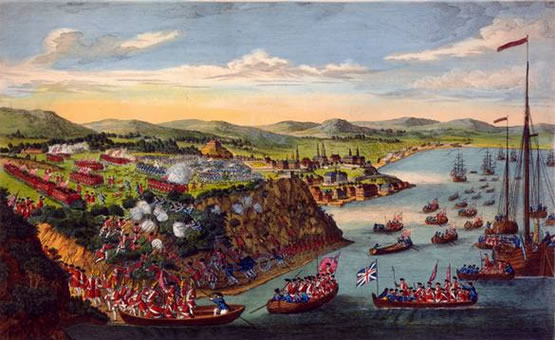
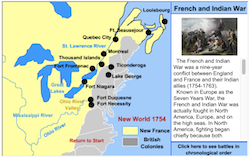
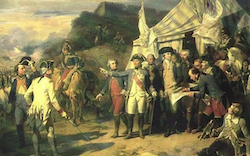
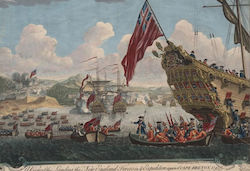
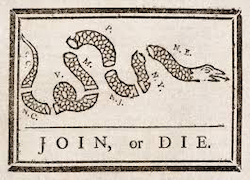
The French and Indian War (1754–1763) was a major conflict that took place in North America between the British and the French, each supported by various Native American tribes. It was part of a larger global struggle known as the Seven Years’ War. The conflict began as both the British and the French competed for control of the rich Ohio River Valley, a key area for trade and expansion. Tensions quickly turned violent as British colonists, led by a young George Washington, clashed with French forces. Native American tribes were deeply involved in the conflict, often aligning with the side they believed would best protect their lands and interests. The war’s outcome drastically reshaped the map of North America. With the Treaty of Paris in 1763, France ceded much of its territory to Britain, giving the British control over Canada and lands east of the Mississippi River. While Britain gained vast new lands, the war left it heavily in debt, leading to increased taxes and new laws for the American colonies—policies that stirred resentment and helped spark the American Revolution just a few years later. The French and Indian War, therefore, was not only a fight for land but also a turning point in American history. |
||||||||||||||||||||||||||||
Our Content |
||||||||||||||||||||||||||||
| ||||||||||||||||||||||||||||