The Second Continental Congress |
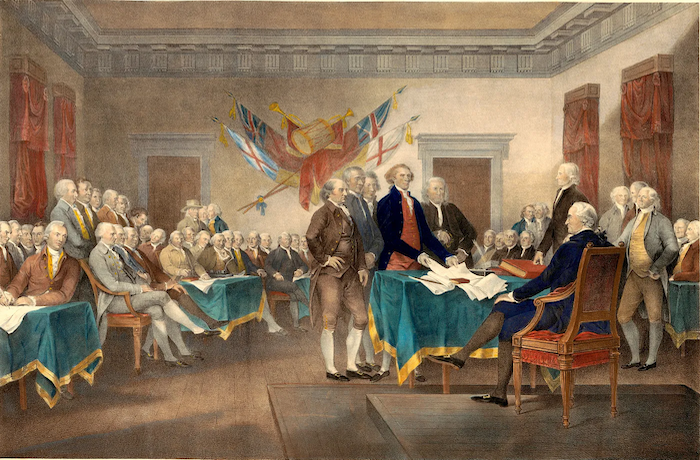
The Second Continental Congress ConvenesOn May 10, 1775, the Continental Congress met for the second time in Philadelphia. Unlike the first meeting, the American Revolution had already begun and American soldiers, known as “minutemen,” had been killed. John Hancock, a wealthy Massachusetts merchant and major supporter of the Sons of Liberty, was chosen as president. This time, Georgia also agreed to send a delegate. Acting as a GovernmentThe Second Continental Congress began making decisions like a real government. It authorized paper money and named Benjamin Franklin as Postmaster General. Most importantly, it created the Continental Army and appointed George Washington as its Commander-in-Chief. The Congress also signed treaties, made declarations, and appointed ambassadors during the war. The Olive Branch PetitionSome delegates, like John Dickinson from Pennsylvania, still hoped to avoid war. They sent the Olive Branch Petition to Parliament asking for peace and for the king to respect colonial rights. However, at the same time, the British intercepted a letter from John Adams stating that war was unavoidable. The British rejected the petition, and King George hired 30,000 German troops to fight with the British against the colonies. Declaration of IndependenceOn July 2, 1776, the Second Continental Congress approved the decision to declare independence from England. Two days later, on July 4, the Declaration of Independence itself was officially approved.
Discussion Questions
Glossary
The Second Continental Congress met on May 10, 1775, in Philadelphia. By then, the American Revolution had started, and some soldiers had already died. John Hancock, a rich merchant from Massachusetts, was chosen as president. This time, Georgia also sent a delegate, even though they didn’t take part in the first meeting. Starting a GovernmentThe Congress began acting like a government. It made paper money, chose Benjamin Franklin to run the post office, and created the Continental Army. George Washington was picked to lead the army. The Congress also made important decisions, signed treaties, and appointed leaders. A Final Try for PeaceSome delegates, like John Dickinson, still wanted peace with Britain. They sent the Olive Branch Petition to the king, asking him to respect their rights. But Britain had seen a letter from John Adams saying war was coming. The king rejected the petition and brought in 30,000 German soldiers to fight for the British. Independence DeclaredOn July 2, 1776, the Congress voted to break away from England. Two days later, on July 4, they approved the Declaration of Independence. |
| Continental Congress Activities |
|