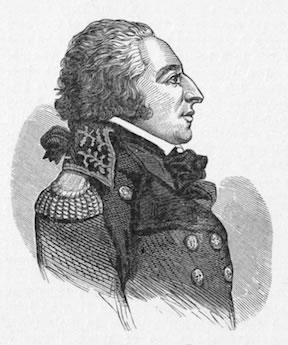
Citizen Genêt

Citizen Genet

A French Sensation

In 1793, the new Minister of France, known as Citizen Genêt, was sent to America to gain support for the budding Revolution. On April 8, 1793, Genêt arrived in Charleston, S.C. to great fanfare. Genêt's first goal was to organize a team of Americans to serve as privateers (pirates) against British shipping interests. After successfully recruiting privateers, Genêt set sail for Philadelphia, drumming up support along the way and encouraging the formation of Jacobin clubs. Such clubs were formed to promote support for the French Revolution and were numerous in France. The word "Jacobin" is French for political radical.

Bad Move!

After receiving a cold reception from George Washington, and after Washington’s Neutrality Proclamation of April 22, Genêt conceived of a plan to mobilize the American public to overthrow Washington and his cabinet. At this point, even Jefferson agreed that Genêt had gone too far and the new French Minister was recalled to France. Facing certain execution in France for misconduct, Genêt pleaded for asylum, which was granted by George Washington. The Genêt episode did much harm to the credibility of Republican support for the French Revolution and cooled popular support.

A French Sensation

In 1793, France sent Citizen Genêt to the United States to gain support for the French Revolution. He arrived in Charleston, South Carolina, on April 8 and was welcomed with excitement. Genêt began organizing American privateers to attack British ships and encouraged people to form Jacobin clubs, which supported the French Revolution. The term "Jacobin" means a political radical in French.

Bad Move!

When Genêt met President George Washington, he was not welcomed warmly. After Washington announced the Neutrality Proclamation, Genêt tried to get Americans to rise up against the president. Even Jefferson thought he went too far. France recalled Genêt, but fearing execution if he returned, he asked for asylum. Washington allowed him to stay. The incident hurt support for the French Revolution in the U.S. and damaged the Republican Party’s image.