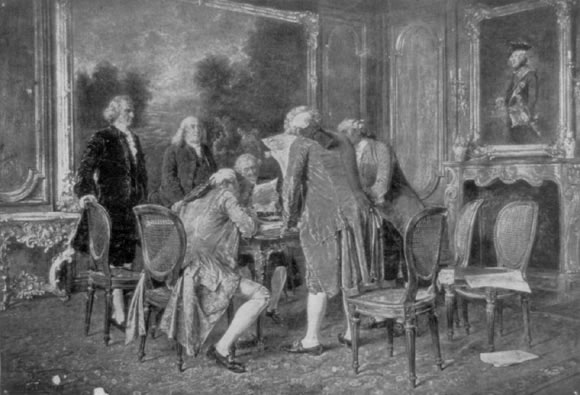
Treaty of Paris |
|
After the decisive American victory at the Battle of Yorktown in October 1781, where British General Charles Cornwallis was forced to surrender approximately 8,000 troops to the combined American and French forces, the Revolutionary War was effectively over in terms of large-scale fighting. The surrender marked a turning point, crushing British hopes of quelling the rebellion by force. Continued Skirmishes and British WithdrawalAlthough major combat had ceased, smaller skirmishes and engagements continued throughout 1782 and into 1783, particularly on the western frontier and in the South. British forces remained in control of key cities such as New York and Savannah for some time after Yorktown. During this period, American forces worked to stabilize their newly liberated territories and assert control over the countryside. British Public Opinion and War FatigueBack in Great Britain, the war had become increasingly unpopular. The financial cost was immense, and public opinion turned against continued military efforts in the colonies. Many in Parliament began pushing for a peaceful resolution. The collapse of Lord North’s government in March 1782 signaled a shift toward peace negotiations. The Treaty of Paris (1783)Formal peace talks began in Paris in 1782, involving American diplomats Benjamin Franklin, John Jay, and John Adams. The negotiations were complex, involving not only Great Britain and the United States but also France and Spain. On September 3, 1783, the Treaty of Paris was signed, officially ending the war. Key Terms of the Treaty
Impact and LegacyThe Treaty of Paris marked the official birth of the United States as an independent nation on the world stage. It also signaled the beginning of a new era of governance and expansion. However, it did not immediately resolve all disputes — especially regarding Native American lands, slavery, and Loyalist property — which would continue to affect American politics and society in the decades to come. In October 1781, American and French forces won a major victory at the Battle of Yorktown. British General Charles Cornwallis had to surrender 8,000 troops. This defeat ended most of the fighting in the Revolutionary War. Fighting Continues in Some AreasEven though the big battles were over, small fights still happened in 1782 and 1783. These were mostly on the frontier and in the South. British troops stayed in some American cities like New York and Savannah for a while. British People Want PeaceIn Great Britain, the war was unpopular. It was very costly, and many people wanted it to end. In 1782, a new government came to power and started peace talks with the Americans. The Treaty of ParisThe peace treaty was signed on September 3, 1783. This treaty officially ended the war and recognized the United States as an independent country. Main Points of the Treaty
Why It MattersThe Treaty of Paris confirmed that the United States was a new, free nation. It helped start the country’s journey as an independent government, though some issues like Native American land and slavery still remained unresolved. |