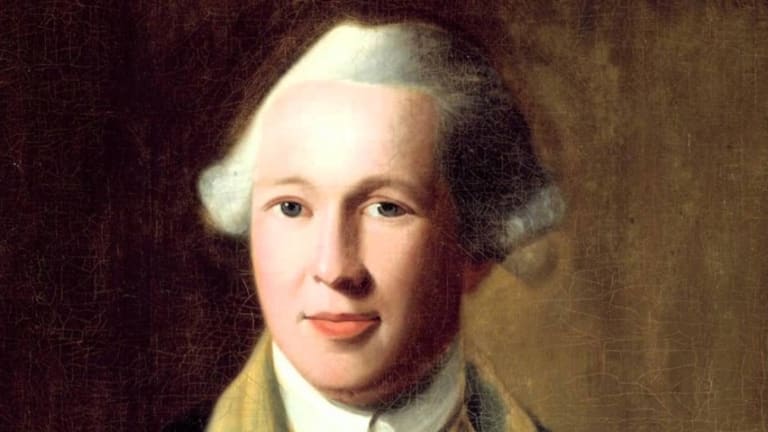
Dr. Joseph Warren |
|
Joseph Warren was born on June 11, 1741. Warren received his medical education in Boston and went on to establish a successful medical practice in the city. In addition to his medical work, he was also a passionate supporter of the Patriot cause and was involved in various political and military activities. Key Leader in the Sons of LibertyIn 1772, Warren was elected to the Massachusetts Provincial Congress, where he served as a delegate for several years. He was a vocal opponent of British policies, including the Quartering Act, the Townshend Acts, and the Intolerable Acts. In 1774, he helped organize the Boston Tea Party and became a key leader of the Sons of Liberty. Military OperationsWarren's political and military involvement continued to grow in the early years of the American Revolution. He served as a major general in the Massachusetts militia and was a key figure in the battles and skirmishes in and around Boston in 1775. Warren led Massachusetts militia in repeated assaults agains the British in their march back to Boston in the Battles of Lexington and Concord. In the Battle of Bunker Hill, Warren fought alongside the other men as a private rather than a commissioned officer. Unfortunately, Warren was killed at the very end of the battle, but his death only served to further galvanize the Patriot cause and cement his place in American history as a hero and martyr of the Revolution. Joseph Warren was born on June 11, 1741. He studied medicine in Boston and became a successful doctor. Alongside his medical work, he strongly supported the Patriot cause and became active in both politics and military efforts. Key Leader in the Sons of LibertyIn 1772, Warren was elected to the Massachusetts Provincial Congress. He spoke out against British laws like the Quartering Act, the Townshend Acts, and the Intolerable Acts. In 1774, he helped organize the Boston Tea Party and became an important leader in the Sons of Liberty. Military InvolvementAs the Revolution began, Warren took on a bigger role in military affairs. He became a major general in the Massachusetts militia and helped lead colonial forces during the British retreat from Lexington and Concord. At the Battle of Bunker Hill, he chose to fight as a regular soldier instead of using his high rank. He was killed at the end of the battle, but his bravery inspired others and made him a hero of the American Revolution. |