Loyalists VS Patriots |
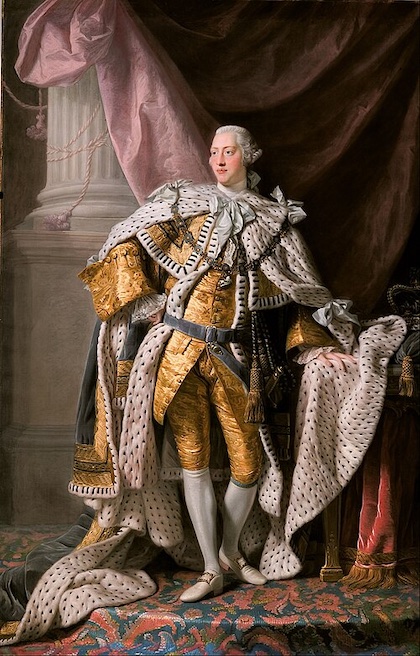
King George III |
Loyalists and Patriots in the Revolutionary WarDuring the American Revolutionary War, the colonists were deeply divided over whether to remain part of Great Britain or seek independence. Those who supported independence were known as Patriots, while those who remained loyal to the British king were called Loyalists. Many colonists did not clearly support either side and tried to stay neutral, which was often difficult as the conflict grew more intense. Who Were the Patriots?Patriots believed that the British government treated the colonies unfairly. They protested taxes and trade laws passed by Parliament, arguing that it was unjust to be taxed without proper representation. Patriots also opposed the presence of British soldiers in colonial cities and feared that their rights as English citizens were being taken away. Influenced by Enlightenment ideas, many Patriots believed that people were born with natural rights and that governments existed to protect those rights. Who Were the Loyalists?Loyalists believed that staying loyal to Great Britain was the best option for the colonies. Many felt that the British Empire provided protection from foreign enemies and helped keep the economy stable. Some Loyalists had close ties to Britain through trade, government positions, or family connections. Others believed that rebelling against the king was wrong and feared that independence would lead to violence, disorder, and economic problems. Life in a Divided SocietyThe Revolutionary War divided families, towns, and communities. Patriots often organized boycotts and militias to support the war effort, while Loyalists sometimes joined British forces or secretly helped them. Loyalists were often treated harshly, facing public shaming, loss of property, or exile. Patriots also faced danger, risking their lives and livelihoods to fight for independence. The OutcomeAfter years of fighting, the Patriots won the war and the United States became an independent nation. However, the Loyalist experience shows that the Revolution was also a civil conflict. Understanding both sides helps explain how difficult and personal the struggle for independence truly was. Loyalists vs Patriots Interactive
During the Revolutionary War, colonists disagreed about their future. Patriots wanted independence from Great Britain, while Loyalists wanted to remain loyal to the king. Many people tried to stay neutral because choosing a side could be dangerous. PatriotsPatriots believed Britain was unfair to the colonies. They were upset about taxes and laws made without colonial input. Patriots also disliked British soldiers in their towns and believed people should have a stronger voice in government. Independence, they believed, would bring greater freedom. LoyalistsLoyalists believed Britain provided protection and stability. Many had business or family ties to Great Britain. Others believed it was wrong to rebel against the king and feared that independence would cause chaos and violence. A Divided WarThe war divided communities and families. Patriots supported the Continental Army, while Loyalists sometimes supported British forces or tried to avoid attention. After the Patriots won, the United States became independent, but the Revolution also showed how deeply divided the colonists were. |